In modern retail environments, product visibility is no longer optional, it is a primary driver of purchasing behavior. Brands compete not only through product quality and pricing but also through presentation. This is where display boxes play a critical role.
Display packaging functions as both a protective container and a marketing tool. It transforms ordinary packaging into a structured retail merchandising system that highlights products, communicates brand value, and influences buying decisions at the point of sale.
This comprehensive guide explains everything businesses need to know about display boxes from structural types and materials to customization, sustainability, and wholesale procurement. Whether you are launching a new product or optimizing in-store performance, understanding display packaging is essential to retail success.
What Are Display Boxes?
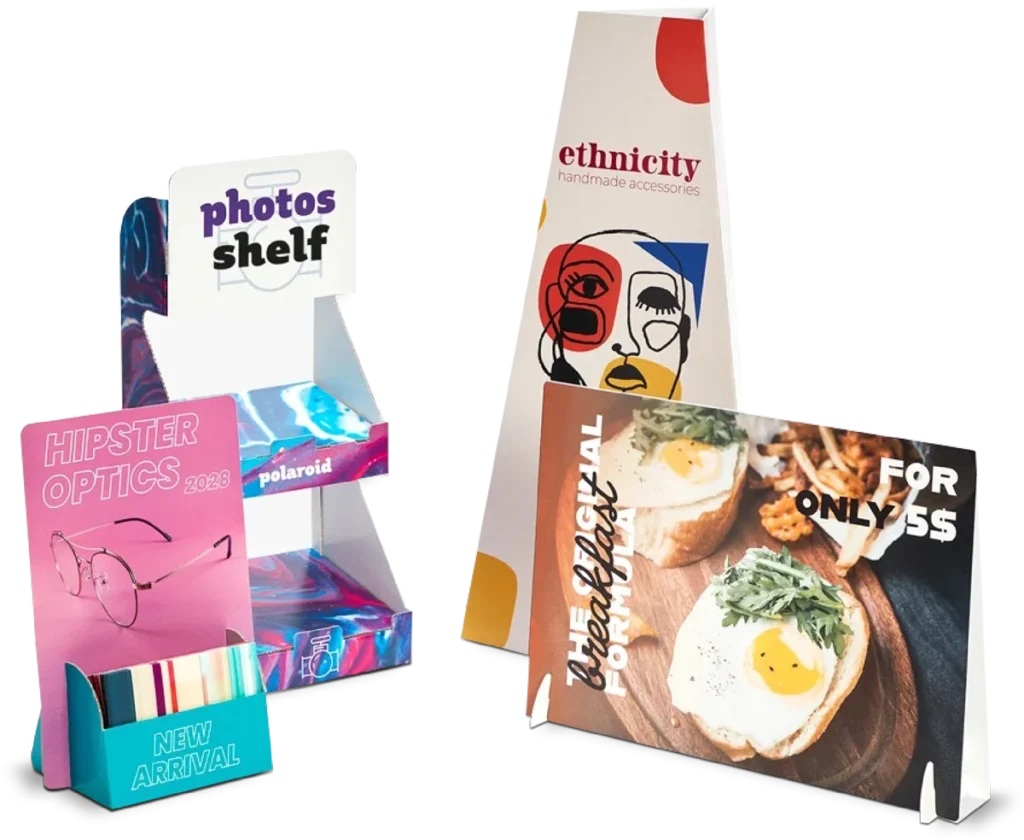
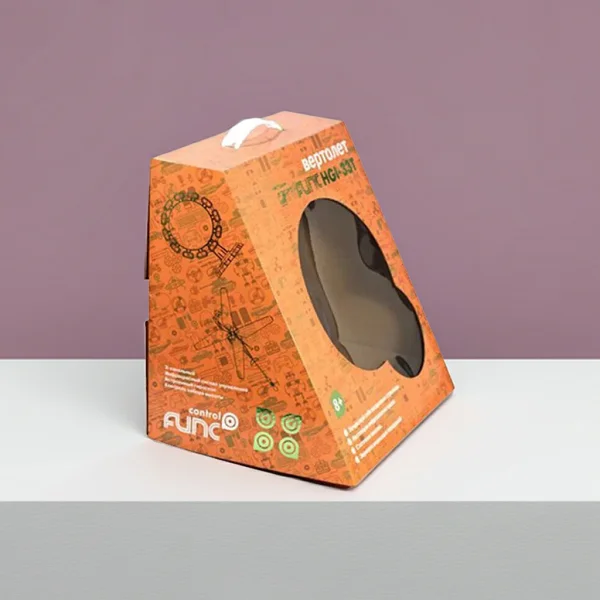
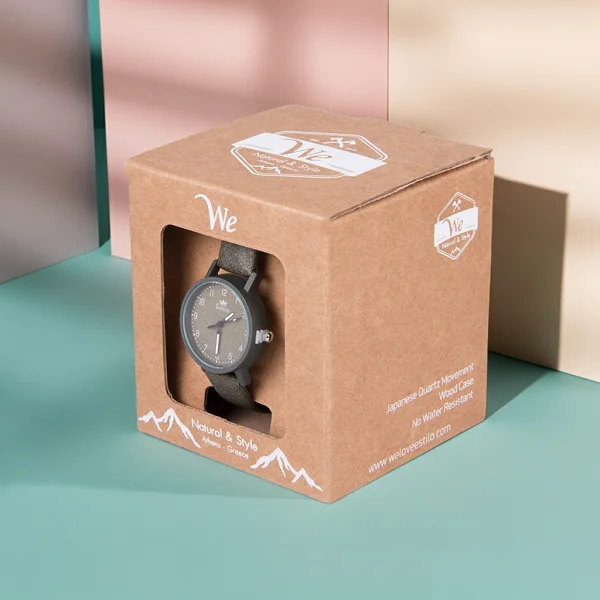
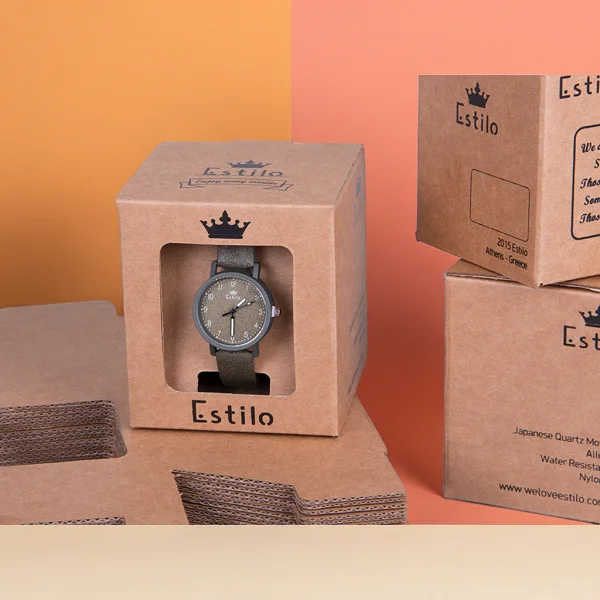
Display boxes are specially designed packaging solutions used to present products prominently in retail environments. Unlike standard packaging that primarily focuses on protection and transportation, display boxes are engineered to showcase, organize, and promote products directly on shelves, countertops, or floor spaces.
Core Purpose of Display Packaging
Display boxes serve multiple commercial functions:
- Improve product visibility
- Support visual merchandising strategies
- Enhance brand recognition
- Encourage impulse purchases
- Organize retail inventory
- Deliver ready-to-sell product presentation
In many retail formats, display packaging acts as a silent salesperson. It communicates value, guides shopper attention, and simplifies product selection without requiring active staff involvement.
How Display Boxes Differ from Standard Packaging
Standard packaging is primarily logistical designed for shipping, protection, and storage. Display packaging, however, integrates marketing, structural design, and retail functionality.
Feature | Standard Packaging | Display Boxes |
Primary function | Protection and transport | Product presentation and promotion |
Retail readiness | Requires unpacking | Ready for shelf placement |
Visual design | Minimal branding | High-impact branding |
Structural design | Closed container | Open or accessible design |
Marketing role | Limited | Direct consumer engagement |
Display packaging bridges the gap between packaging manufacturing and retail merchandising, ensuring products move efficiently from warehouse to shelf while maintaining strong visual appeal.
Types of Display Boxes Used in Retail
Different retail environments require different display structures. Selecting the correct format depends on product size, placement strategy, and merchandising goals.
Counter top Display Boxes
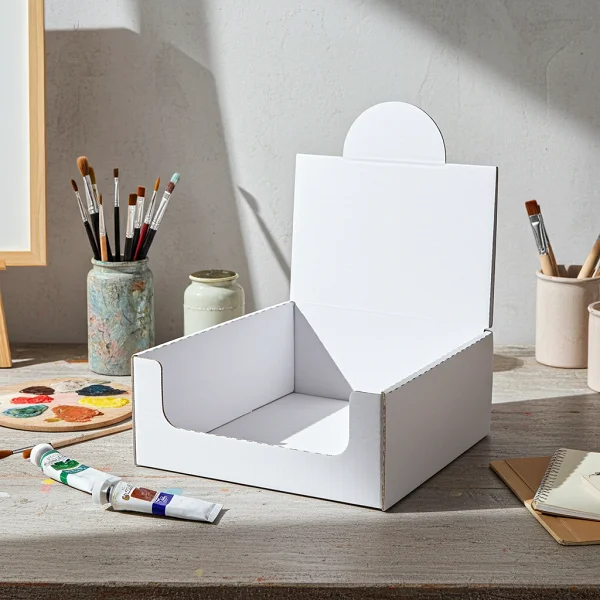
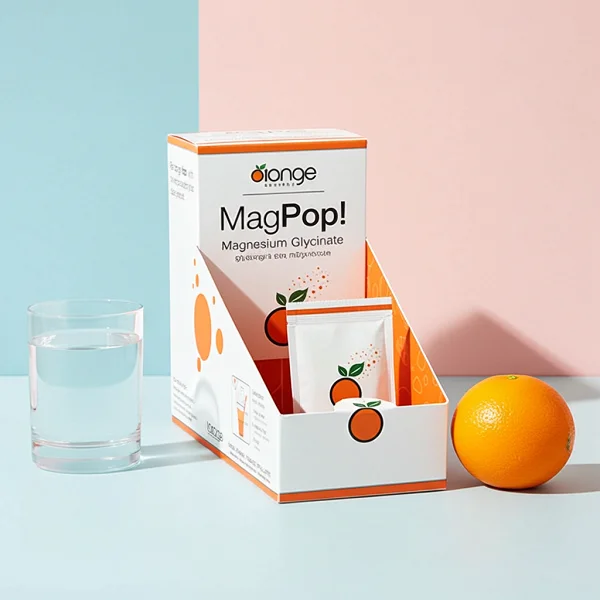
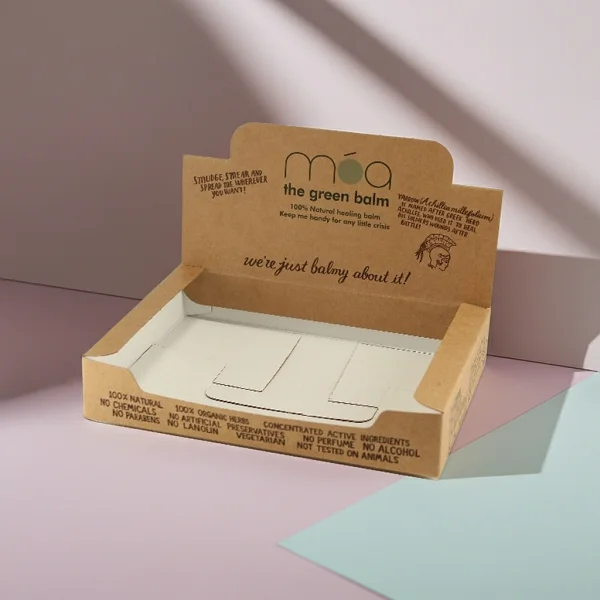
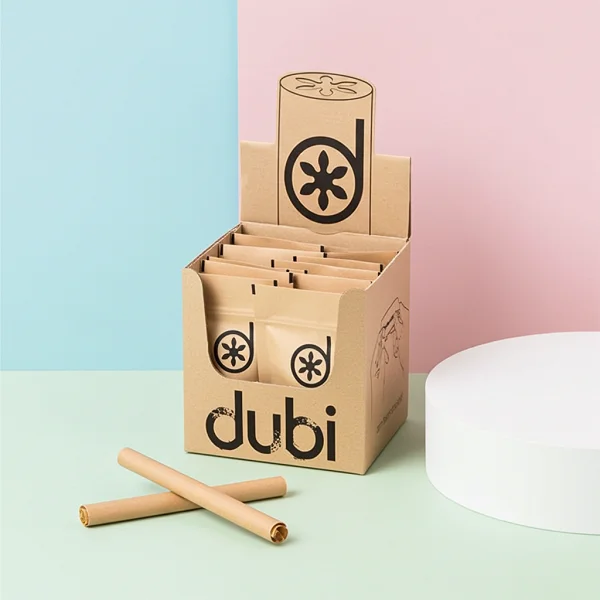
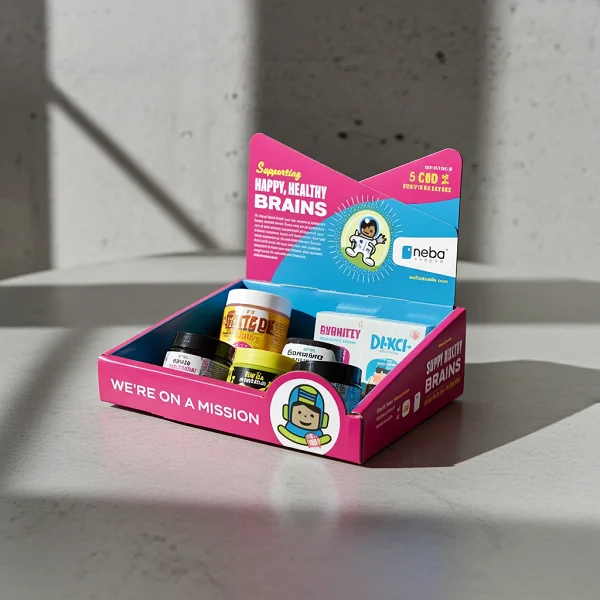
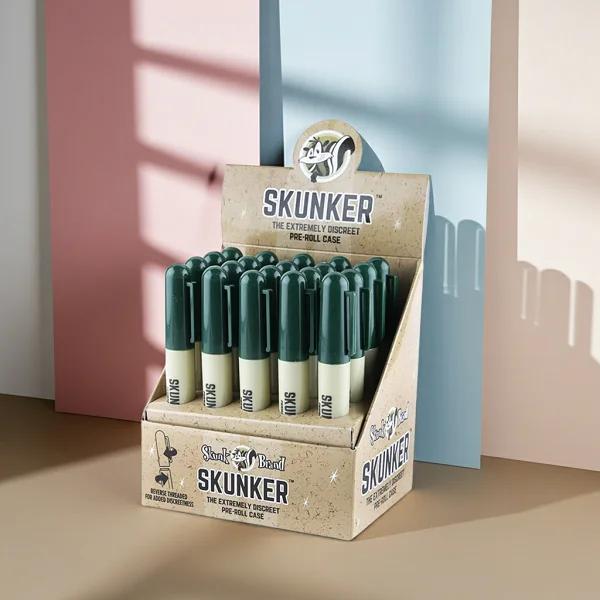
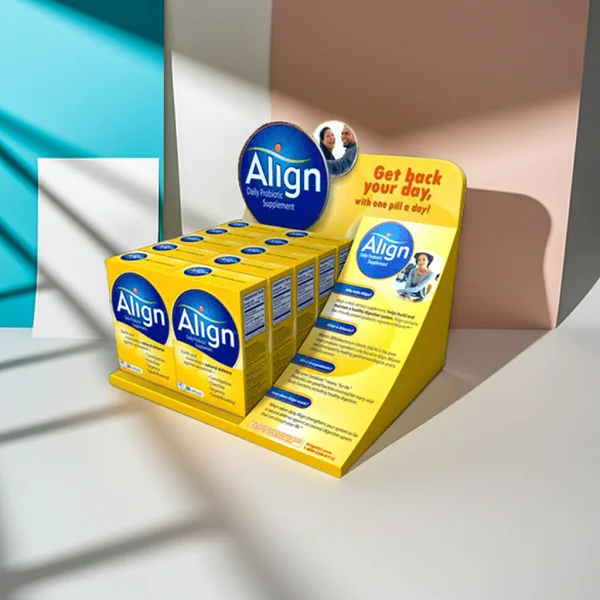
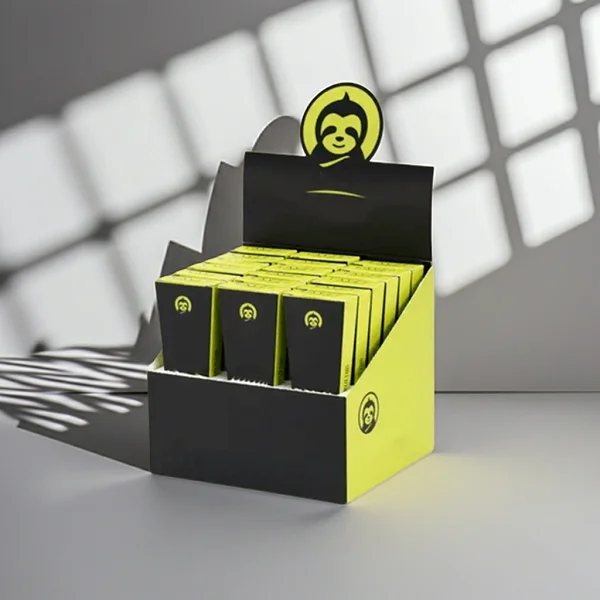
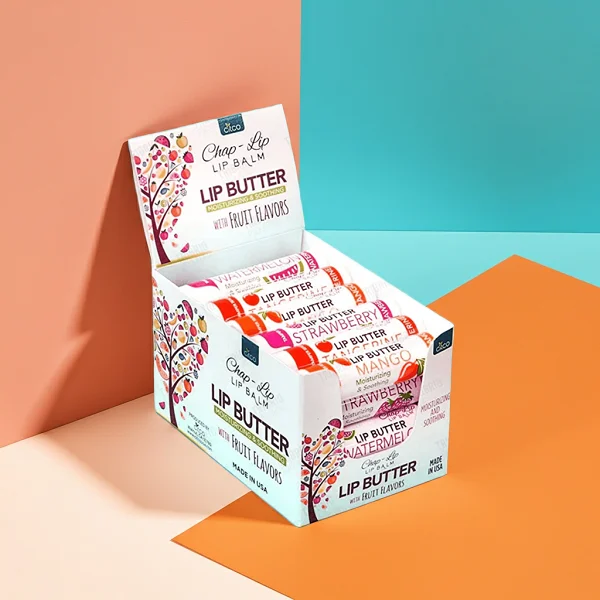
Counter top displays are compact units placed near checkout areas or service counters. They are commonly used for small, high-margin, or impulse-buy items such as cosmetics, supplements, confectionery, and accessories.
Advantages:
- High shopper interaction
- Excellent for promotional items
- Limited footprint
- Strong impulse purchase performance
Floor Display Units
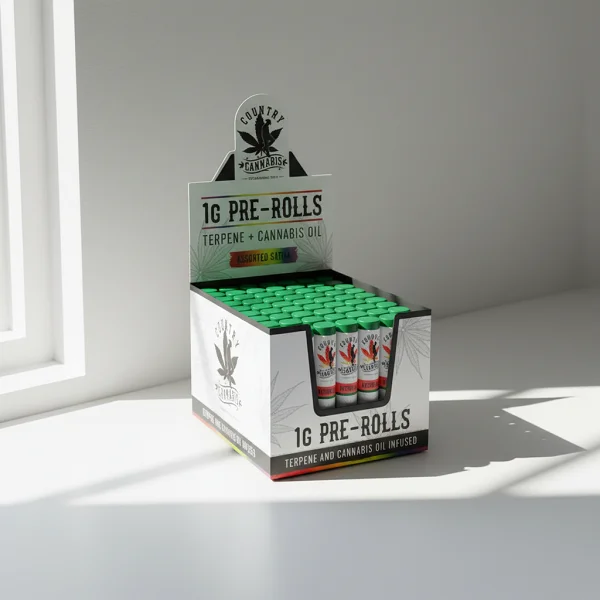
Floor displays are freestanding structures designed to hold larger product volumes. They are commonly positioned in aisles, store entrances, or promotional zones.
Advantages:
- Maximum visibility
- High storage capacity
- Ideal for seasonal campaigns
- Supports large product assortments
Shelf-Ready Packaging (SRP)
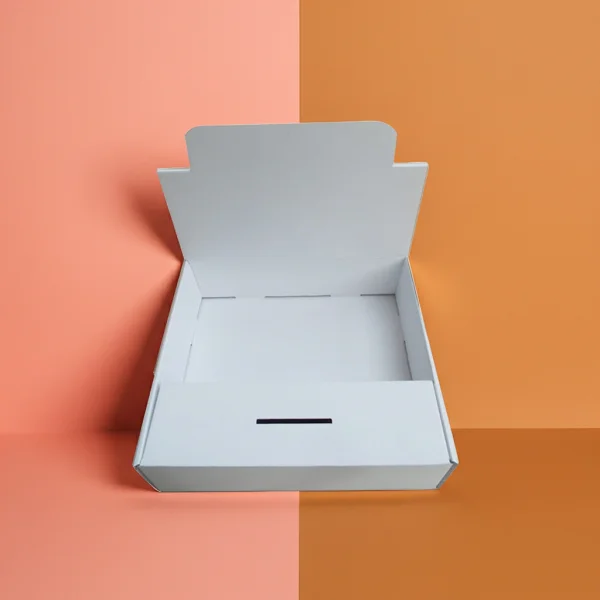
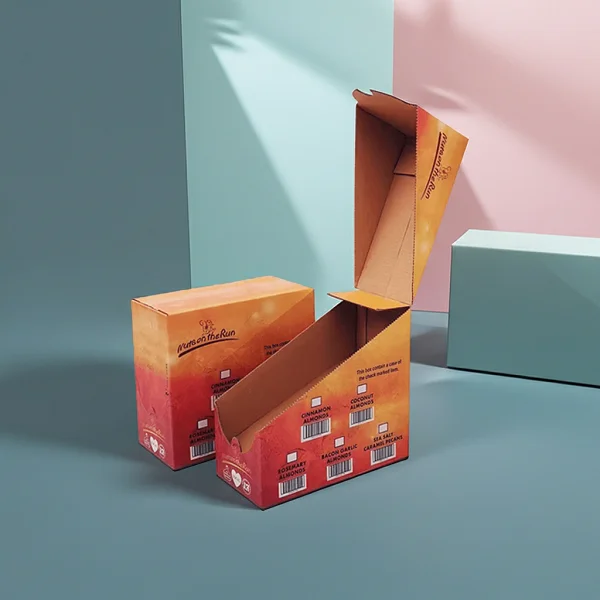
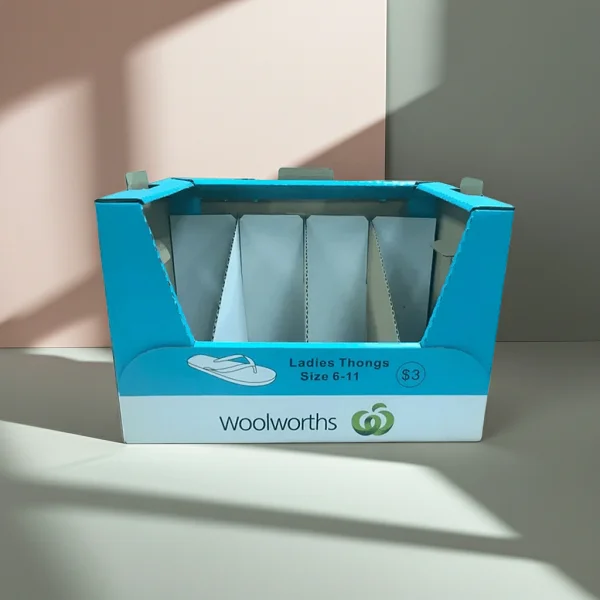
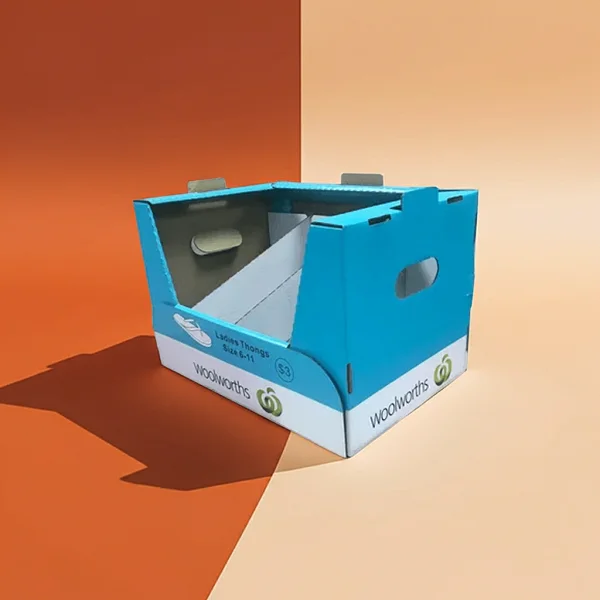
Shelf-ready packaging allows retailers to place products directly onto shelves without repacking. The outer packaging converts into a display tray once opened.
Advantages:
- Faster restocking
- Reduced labor costs
- Clean shelf presentation
- Improved inventory management
PDQ (Pretty Darn Quick) Displays
PDQ displays are prefilled, preassembled retail-ready units delivered fully stocked. Retailers simply open and place them on shelves.
Advantages:
- Immediate merchandising
- Consistent brand presentation
- Minimal setup time
Gravity Feed Displays
Gravity feed displays automatically move products forward as items are removed. These are commonly used for packaged snacks, bottled products, or boxed goods.
Advantages:
- Continuous front-facing presentation
- Efficient space usage
- Improved shelf organization
Dump Bins
Dump bins are open-top containers used for bulk or promotional products. They encourage browsing and impulse purchasing.
Advantages:
- High capacity
- Ideal for discounted or promotional goods
- Easy customer access
Tiered Displays
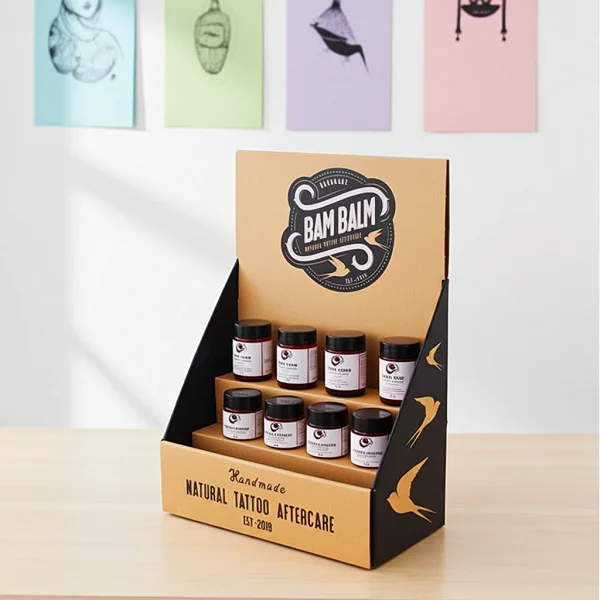
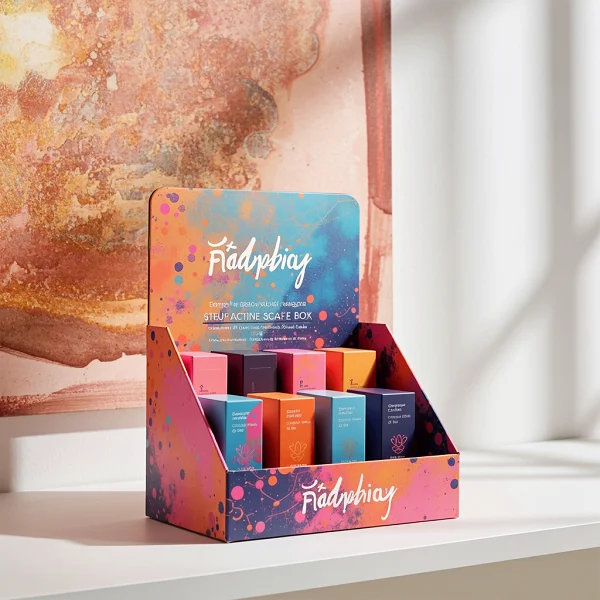
Tiered displays feature multiple levels for structured product presentation. They are commonly used for cosmetics, baked goods, or small retail items.
Advantages:
- Clear product organization
- Strong visual hierarchy
- Efficient vertical space use
Each display type supports different consumer buying behaviors and retail merchandising strategies, making structural selection a key packaging decision.
Materials Used to Manufacture Display Boxes
Material selection directly affects durability, visual quality, cost, and environmental impact. Packaging manufacturers choose materials based on product weight, retail conditions, and brand positioning.
Corrugated Cardboard
Corrugated board is the most widely used material for display packaging due to its strength and versatility.
Best for:
- Floor displays
- Heavy products
- Shipping-to-retail applications
Corrugated structures offer excellent stacking strength and can be engineered in multiple flute sizes for different load requirements.
Kraft Paperboard
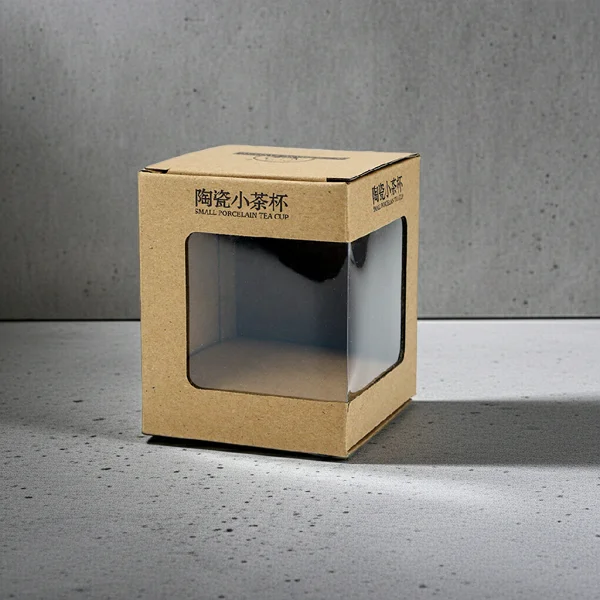
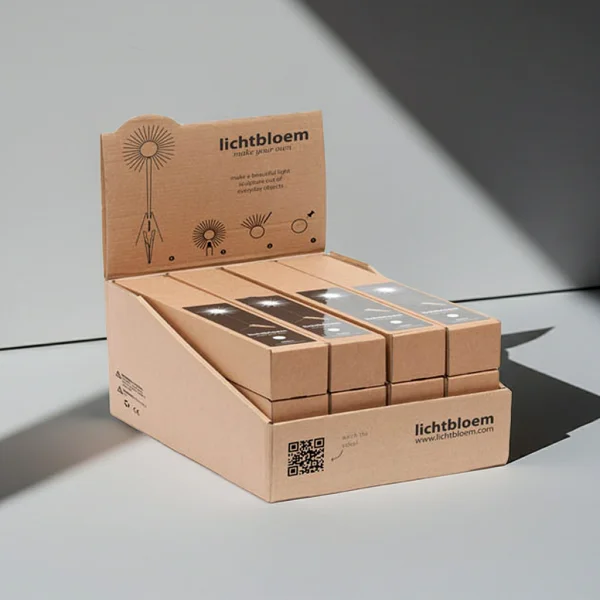
Kraft paperboard provides a natural appearance and strong structural performance. It is commonly used for lightweight retail displays.
Best for:
- Eco-conscious branding
- Cosmetic and wellness products
- Countertop displays
Rigid Board
Rigid board provides premium strength and high-end appearance. It is typically used for luxury product displays.
Best for:
- High-value items
- Electronics
- Premium retail environments
Eco-Friendly Materials
Sustainable materials include recycled paperboard, biodegradable substrates, and responsibly sourced fibers.
Best for:
- Environmentally focused brands
- Regulatory compliance
- Sustainable retail initiatives
Material selection must balance structural integrity, visual appeal, manufacturing efficiency, and environmental responsibility.
Custom Display Boxes and Printing Options
Customization transforms functional packaging into a branded retail experience.
Structural Customization
Manufacturers can tailor display boxes to:
- Exact product dimensions
- Retail shelf specifications
- Load-bearing requirements
- Customer interaction patterns
Structural engineering ensures products remain secure while maximizing accessibility and visibility.
Branding and Visual Identity
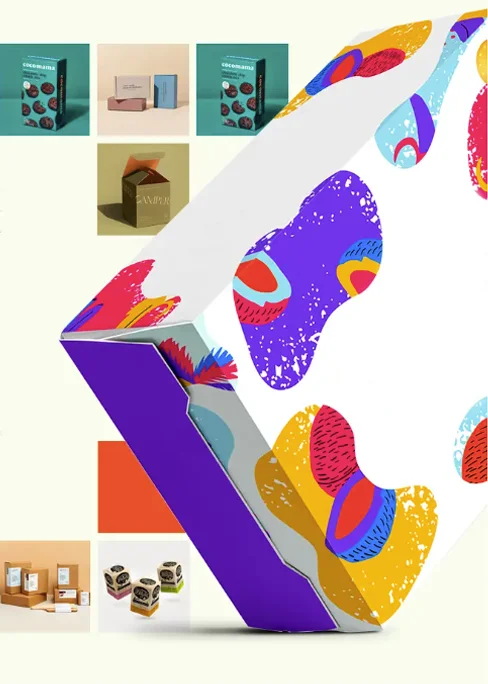
Custom graphics reinforce brand recognition and communicate product value. Effective display design aligns with broader marketing strategies.
Printing Methods
Common printing technologies include:
- Offset printing for high-resolution graphics
- Digital printing for short runs and rapid production
- Flexographic printing for large-volume manufacturing
Finishing Options
Finishing enhances durability and visual appeal.
Options include:
- Matte or gloss lamination
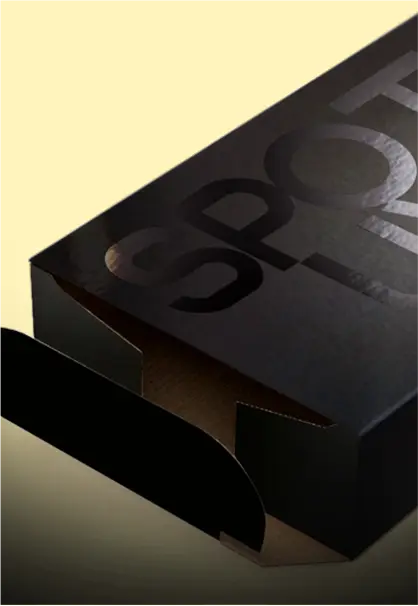
- Spot UV coating
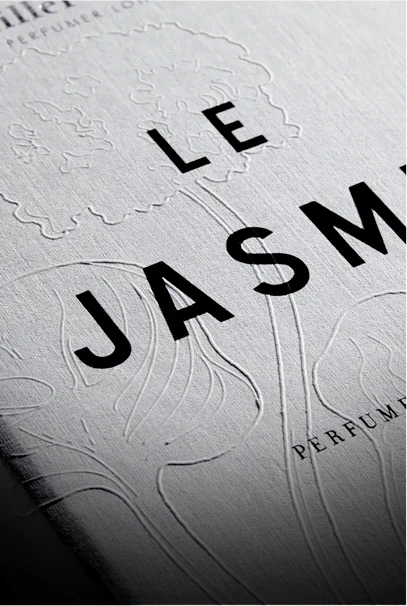
- Embossing or debossing
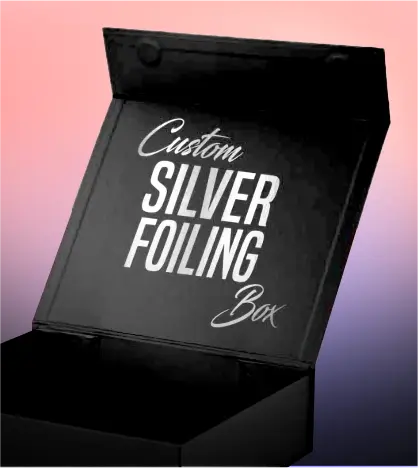
- Foil stamping
- Protective coatings
These enhancements improve perceived product value and shelf differentiation.
Benefits of Using Display Boxes for Retail Products
Display packaging delivers measurable commercial advantages across retail environments.
Increased Product Visibility
Strategic placement and structural design make products more noticeable, improving shelf presence and consumer awareness.
Stronger Branding
Display boxes act as large-format brand communication tools, reinforcing identity and messaging at the point of purchase.
Organized Product Presentation
Structured layouts maintain neat product arrangements, supporting positive shopping experiences.
Enhanced Consumer Engagement
Accessible design encourages handling and interaction, which increases purchase likelihood.
Improved Sales Performance
Effective visual merchandising consistently correlates with higher conversion rates and improved retail performance.
Display packaging directly influences consumer decision-making at the moment of purchase, making it a high-impact marketing investment.
Industries That Use Display Boxes
Display packaging is used across diverse sectors.
Cosmetics and Beauty
Used for makeup, skincare, and fragrance products requiring strong visual presentation.
Food and Beverage
Common for snacks, confectionery, and packaged foods in high-traffic retail zones.
Electronics
Used to present accessories, gadgets, and small devices securely and attractively.
Health and Wellness
Supports supplements, personal care products, and pharmacy items.
Promotional Retail
Used for seasonal campaigns, product launches, and limited-time offers.
Each industry applies display packaging to enhance product presentation and support retail merchandising strategies.
How to Design Effective Display Packaging
Effective design requires strategic planning based on consumer behavior and retail environment.
Understand the Target Audience
Design must reflect shopper preferences, purchasing motivations, and retail context.
Select Appropriate Size and Structure
Dimensions must balance product capacity, shelf space, and visual prominence.
Apply Visual Merchandising Principles
Key considerations include:
- Eye-level placement
- Color contrast
- Clear product hierarchy
- Accessibility
Optimize Graphic Design
High-quality visuals, readable typography, and consistent branding improve recognition and trust.
Successful display packaging integrates structural engineering with marketing psychology.
Sustainable and Eco-Friendly Display Packaging Solutions
Sustainability is now a major purchasing factor for both retailers and consumers.
Recyclable Materials
Corrugated and paperboard displays are widely recyclable and reduce environmental impact.
Biodegradable Packaging
Biodegradable substrates break down naturally, minimizing long-term waste.
Green Printing Practices
Environmentally responsible printing uses:
- Soy-based inks
- Water-based coatings
- Reduced chemical processing
Sustainable display packaging enhances brand reputation while meeting regulatory and consumer expectations.
How Display Boxes Improve Retail Merchandising
Display packaging is a central component of retail merchandising strategy.
Strategic Shelf Placement
Well-designed displays ensure products remain visible and accessible in high-traffic zones.
Promotional Highlighting
Temporary displays support product launches and marketing campaigns.
Improved Inventory Flow
Shelf-ready and prefilled displays streamline restocking and reduce handling.
Display packaging aligns logistics, marketing, and in-store presentation into a unified retail system.
Choosing the Right Display Box Manufacturer
Selecting a manufacturing partner is a critical business decision.
Customization Capabilities
Ensure the supplier can engineer structures specific to your product and retail environment.
Material Quality
Material consistency affects durability, print quality, and performance.
Pricing Structure
Evaluate tooling costs, unit pricing, and long-term scalability.
Minimum Order Quantities
Confirm production volume requirements align with your distribution needs.
Lead Time and Logistics
Reliable production schedules support consistent retail supply.
An experienced packaging manufacturer provides both engineering expertise and strategic guidance.
Wholesale and Bulk Display Box Ordering Guide
Bulk ordering reduces per-unit costs but requires careful planning.
Key Cost Factors
- Material grade
- Structural complexity
- Printing method
- Finishing treatments
- Order volume
Sampling and Prototyping
Pre-production samples validate structural integrity and visual accuracy.
Logistics and Storage
Consider shipping efficiency and warehouse capacity when ordering large quantities.
Wholesale procurement should balance cost efficiency with operational practicality.
Common Mistakes to Avoid When Designing Display Boxes
Businesses often overlook critical design factors.
- Choosing insufficient material strength
- Overloading displays beyond structural limits
- Ignoring retail shelf dimensions
- Using cluttered or unreadable graphics
- Neglecting brand consistency
- Failing to test prototypes
Avoiding these mistakes ensures reliable retail performance and brand credibility.