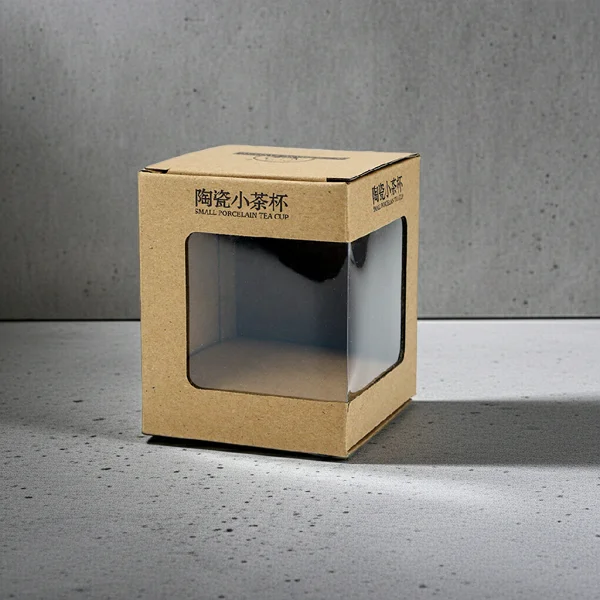
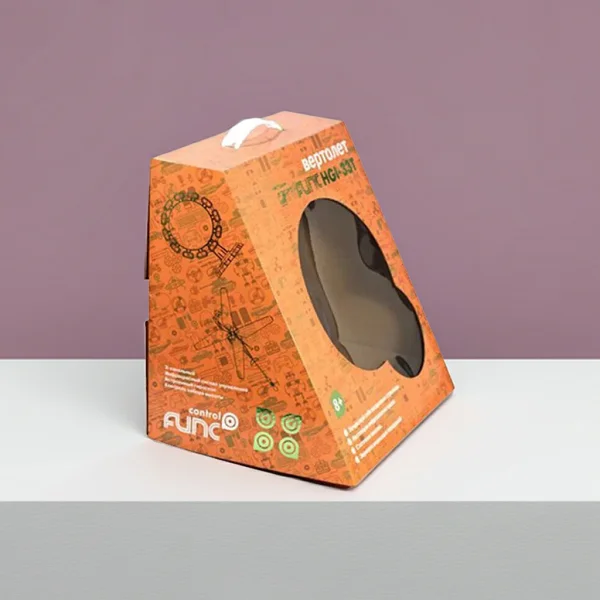
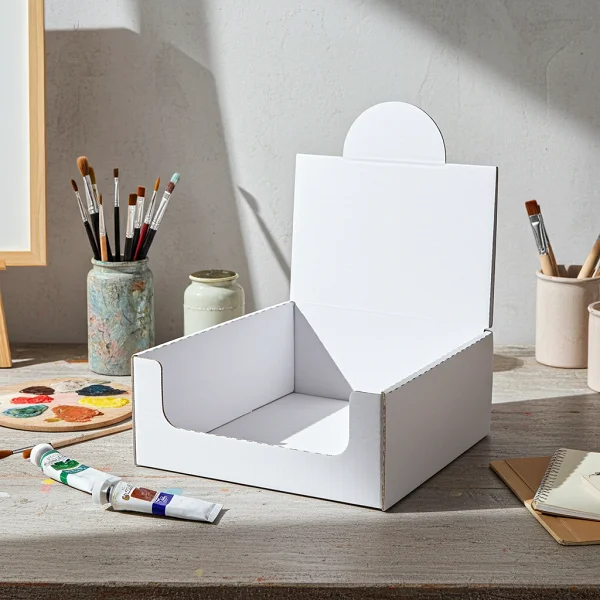
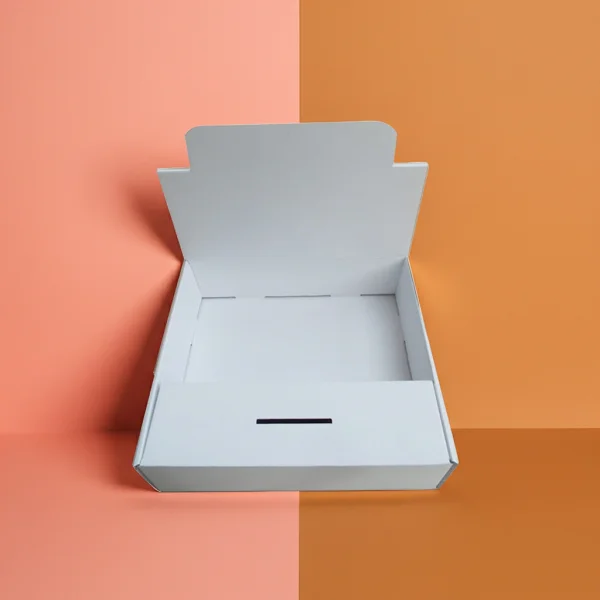
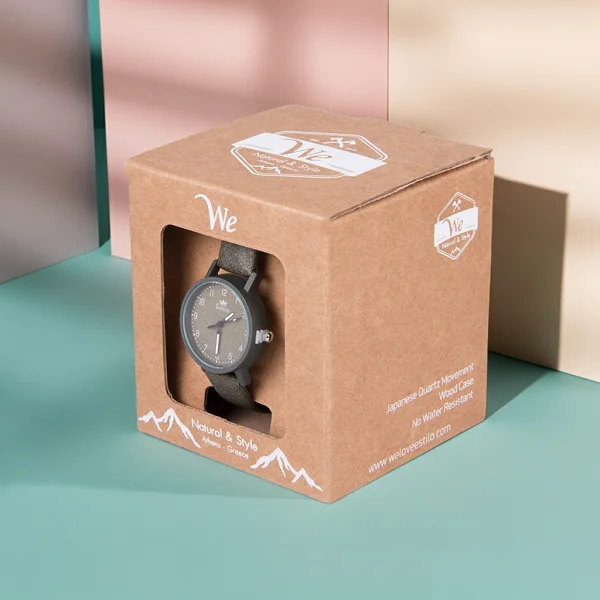
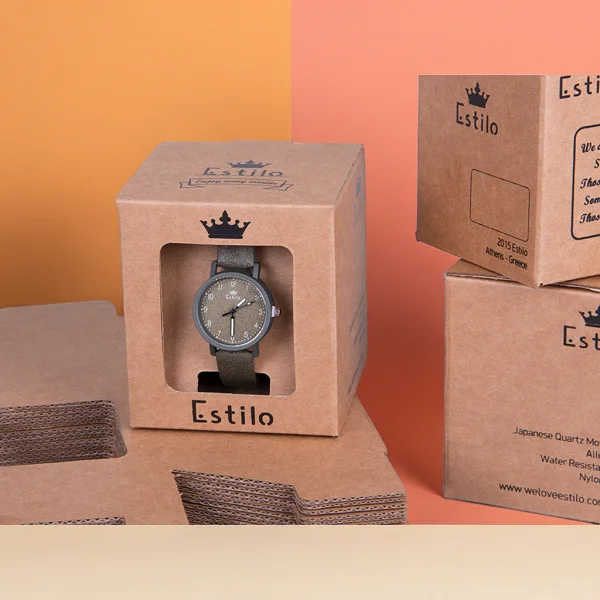
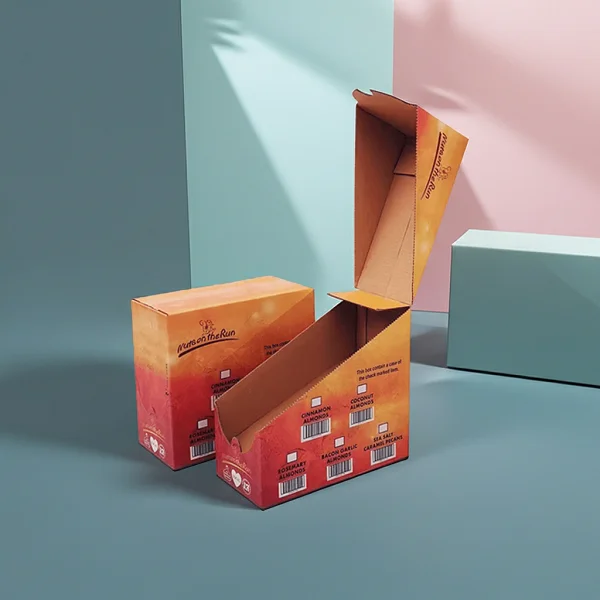
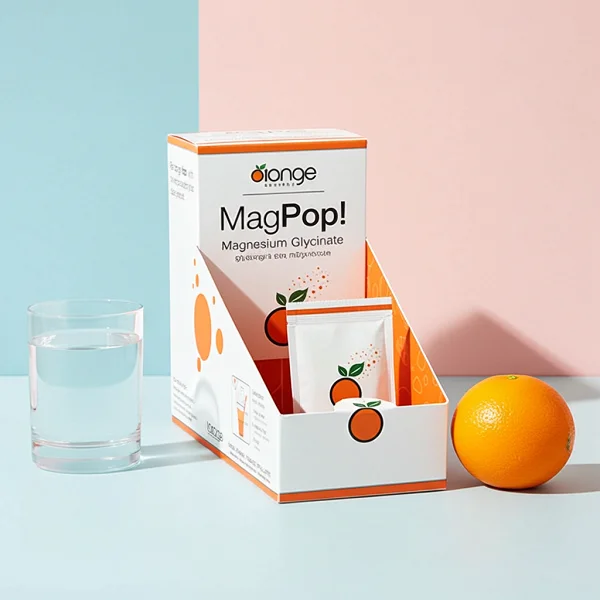
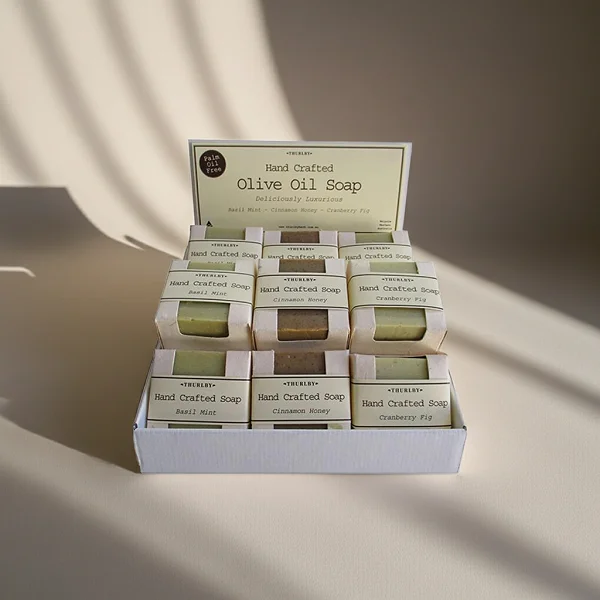
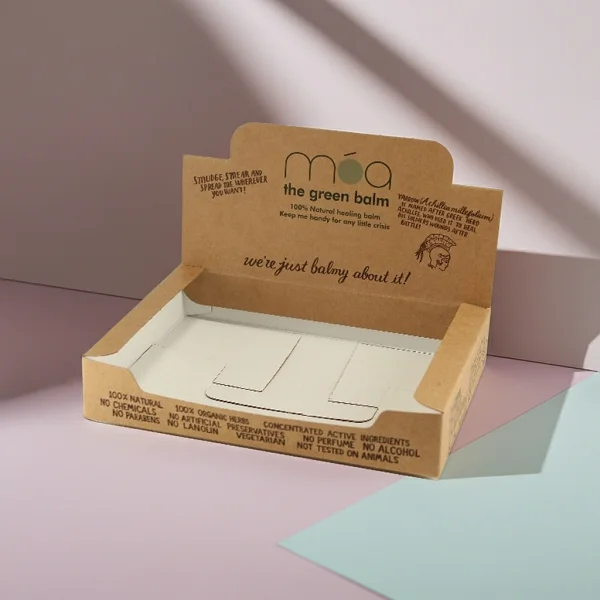
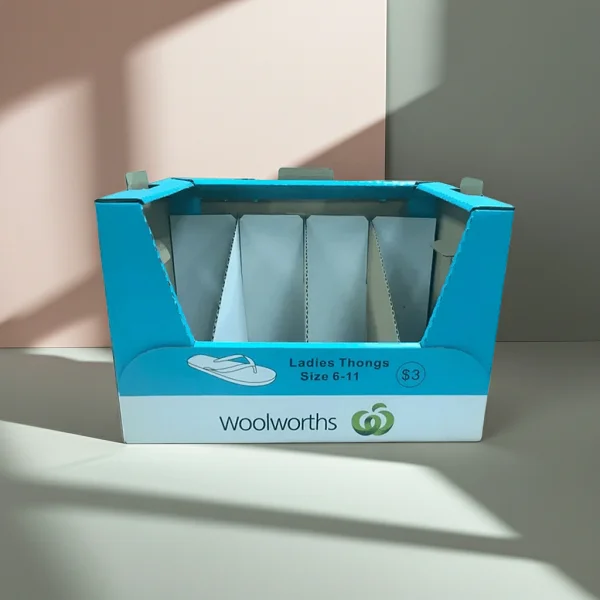
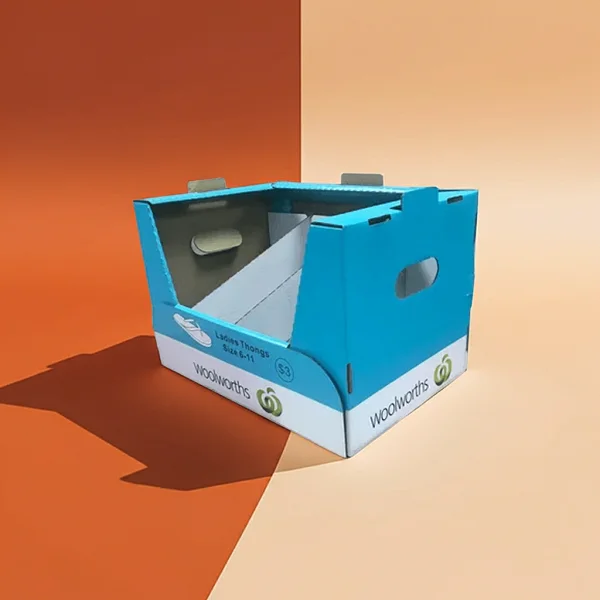
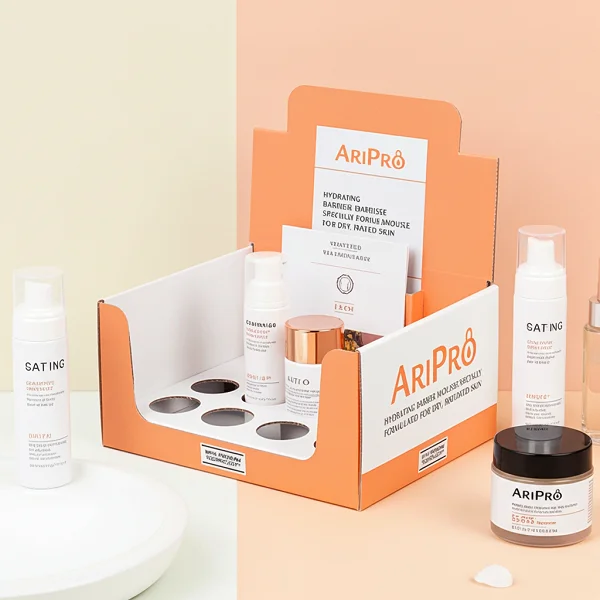
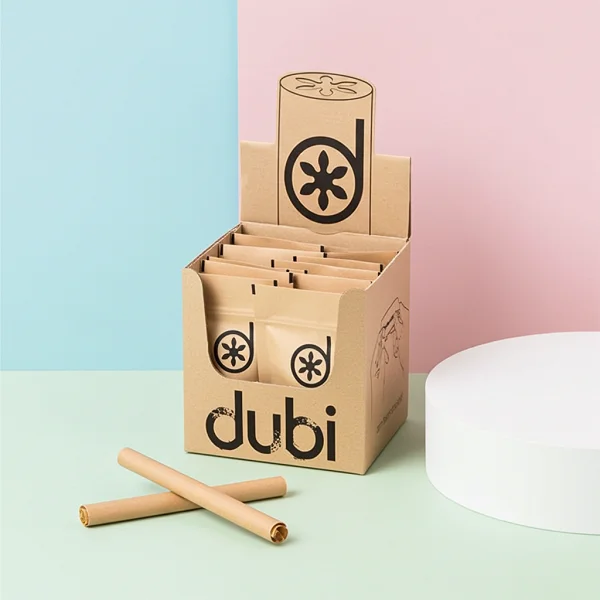
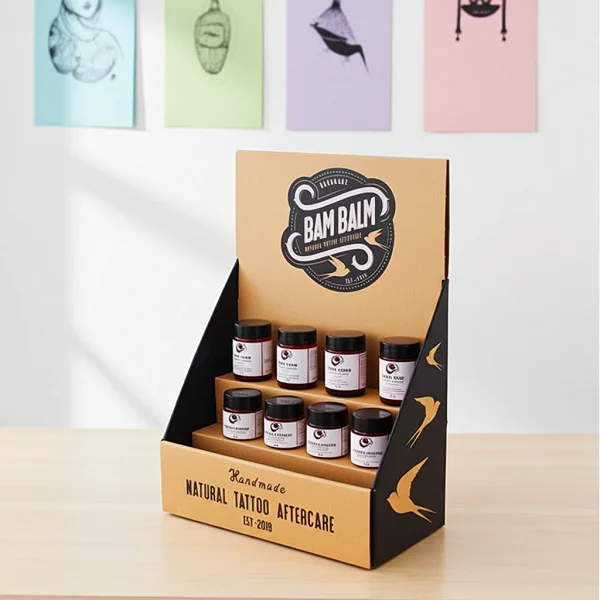
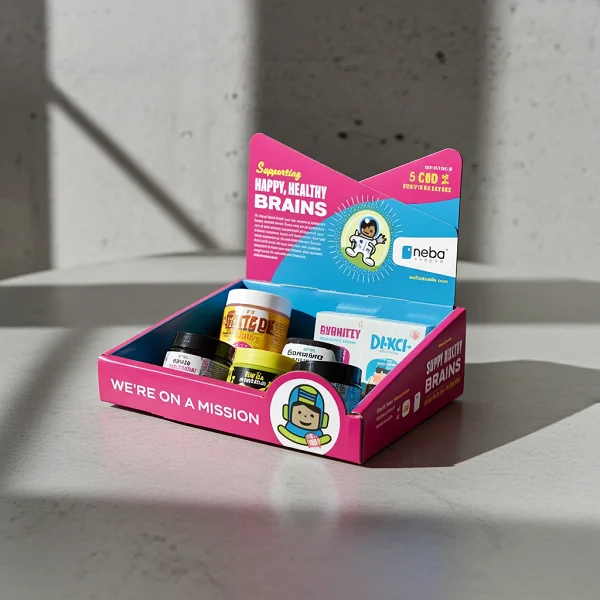
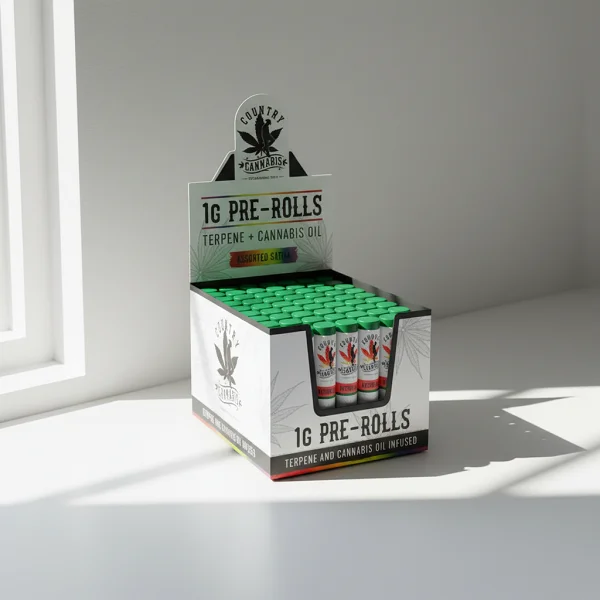
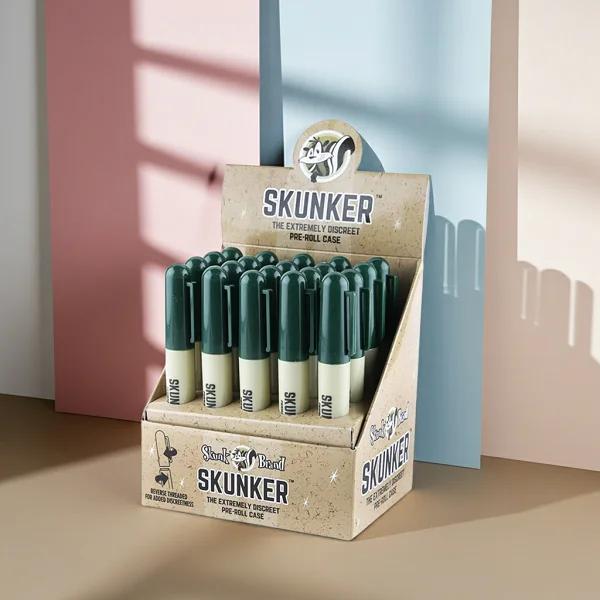
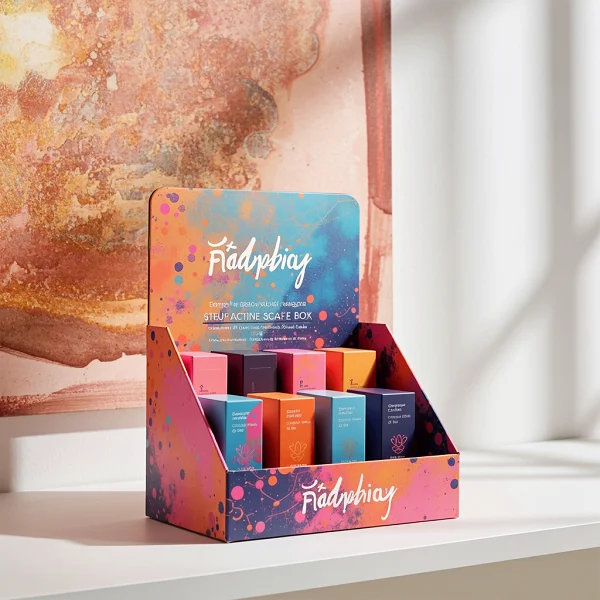
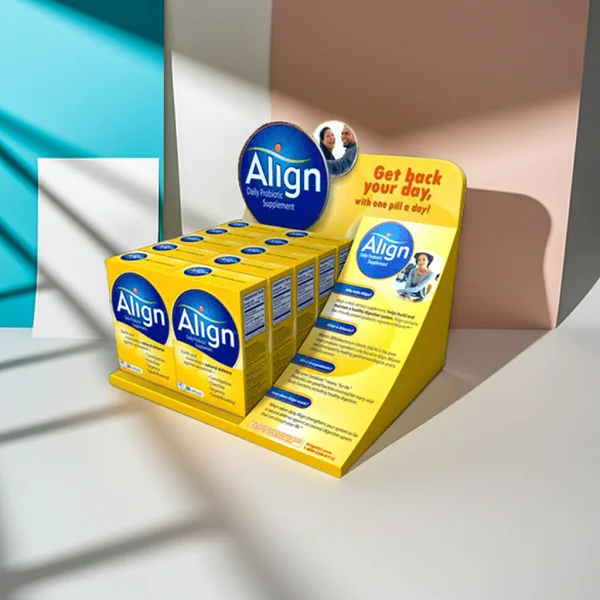
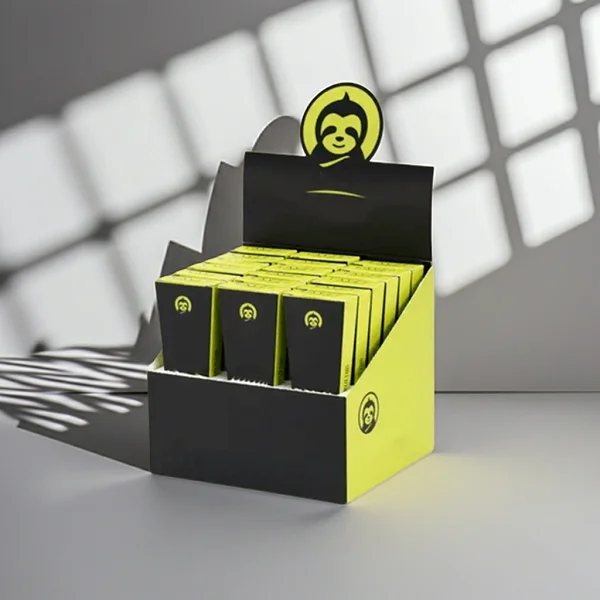
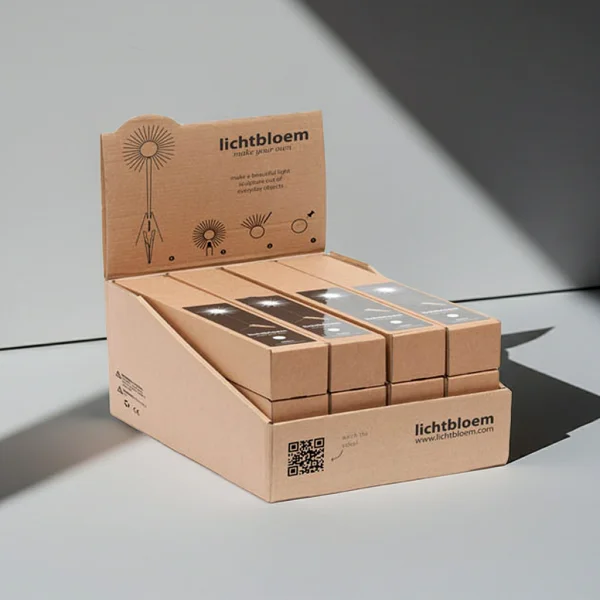
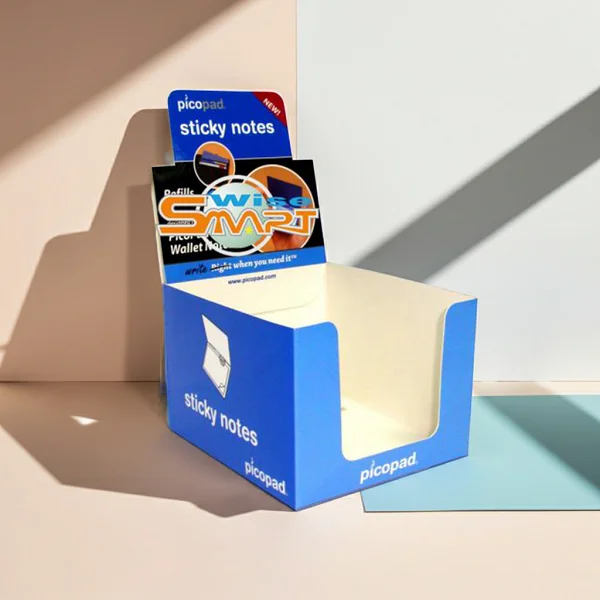
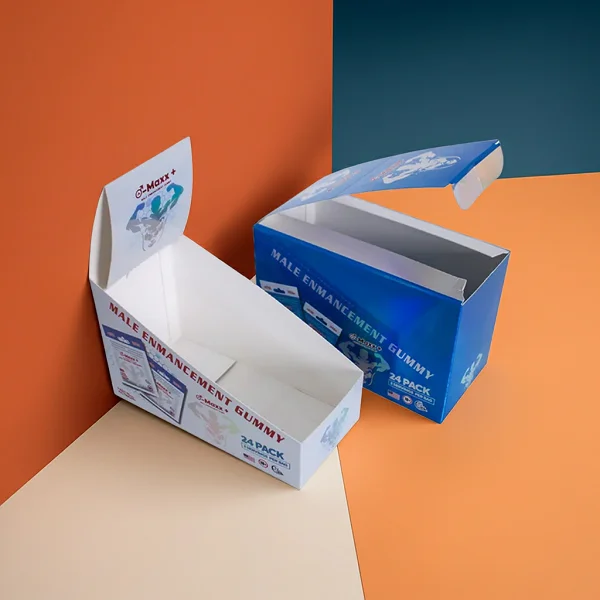
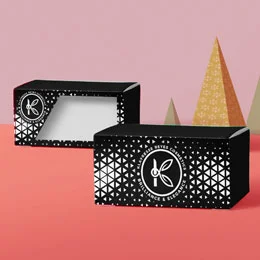
PDQ Boxes offer efficient point-of-display solutions for retail products. Sturdy, easy-to-assemble, and creatively designed, they provide organized, eye-catching presentations that maximize visibility, enhance brand impact, and simplify merchandising.



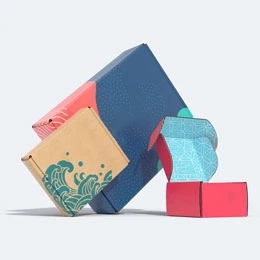
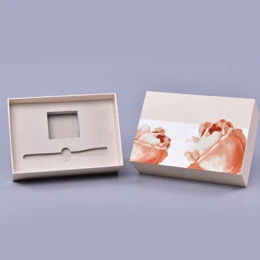
Get Your Custom Boxes Designed in Your Desired Shape, Size and Style

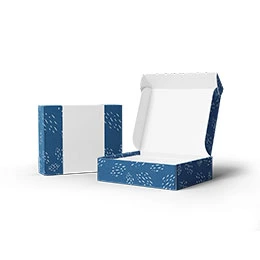
Get Your Custom Boxes Printed With Your Desired Artwork And Colors

Get Custom Boxes At Wholesale Prices. Low MOQs. No Die or Plate Charges
| Dimension (L + W + H) | All Custom Sizes & Shapes |
| Quantities | Low Minimum Order Required |
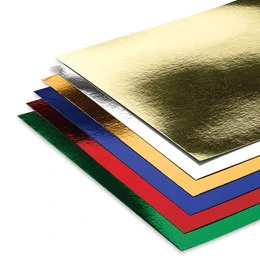
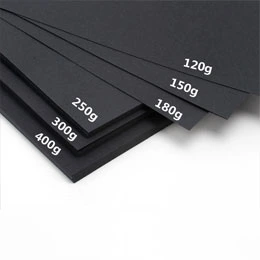
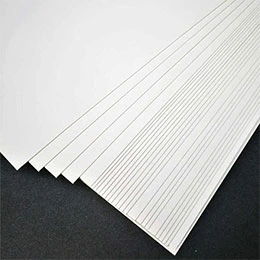
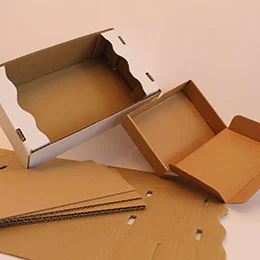
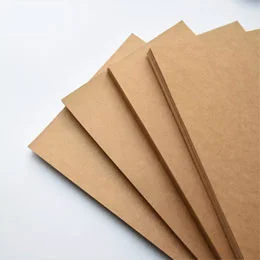
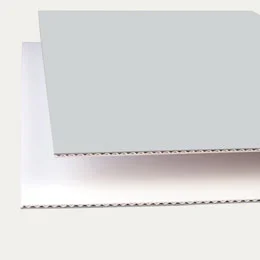
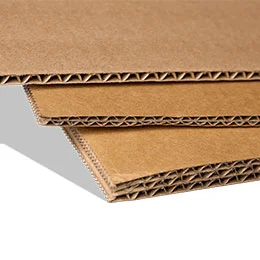
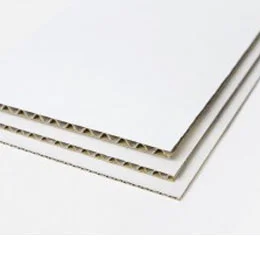
| Stock | 10pt to 28pt (60lb to 400lb) Eco-Friendly Kraft, E-flute Corrugated, Bux Board, Cardstock |
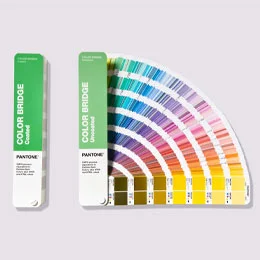
| Printing | No Printing, CMYK, CMYK + 1 PMS color, CMYK + 2 PMS colors |
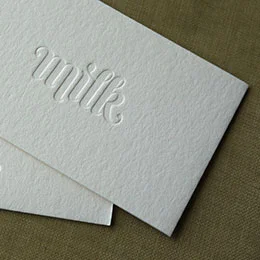
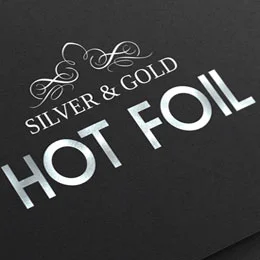
| Finishing | Gloss Lamination, Matte Lamination, Gloss AQ, Gloss UV, Matte UV, Spot UV, Embossing, Foiling |
| Included Options | Die Cutting, Gluing, Scoring, Perforation |
| Additional Options | Eco-Friendly, Recycled Boxes, Biodegradable |
| Proof | Flat View, 3D Mock-up, Physical Sampling (On request) |
| Turnaround | 2 – 4 Business Days, RUSH |
| Shipping | FREE |
Retail environments are built around visibility, accessibility, and speed. Customers browse quickly, make rapid purchase decisions, and respond strongly to product placement and presentation. For small packaged goods cosmetics, snacks, supplements, electronics accessories, and convenience items display strategy often determines sales performance.
This is where PDQ boxes play a critical role.
PDQ boxes are specialized retail display packaging designed to hold, present, and sell products immediately upon placement in stores. The term “PDQ” is commonly interpreted as Pretty Darn Quick or Product Display Quickly, reflecting their primary function: enabling retailers to place merchandise on shelves or counters instantly without repacking or arranging individual units.
They are a core component of modern retail display packaging, especially in high-volume merchandising environments where speed, efficiency, and visual impact must work together.
Businesses across industries rely on PDQ display packaging to:
Whether positioned as countertop displays, shelf-ready trays, or point of purchase displays, PDQ boxes function as both packaging and merchandising tools.
This comprehensive guide explains everything businesses need to know about PDQ boxes their structure, materials, benefits, manufacturing process, customization options, and buying considerations. If you manufacture, sell, distribute, or retail packaged goods, this article will provide the knowledge required to choose, design, and implement effective PDQ display packaging.
PDQ boxes are pre-filled or pre-arranged retail display containers designed to showcase products in stores with minimal setup. They are engineered to move directly from shipping cartons to retail shelves or checkout counters.
Unlike standard packaging that only protects products during transport, PDQ boxes perform three functions simultaneously:
This multifunctional role makes them one of the most efficient forms of merchandising displays available.
Typical structural and functional characteristics include:
They are commonly delivered to retailers filled with products and ready to display immediately.
PDQ boxes streamline retail logistics and merchandising simultaneously.
They help retailers:
For manufacturers and brands, they provide consistent product presentation across all retail locations.
PDQ display packaging is widely used in:
Large retailers such as Walmart, Target, and Costco rely heavily on PDQ and shelf ready packaging to manage high-volume product turnover efficiently.
PDQ boxes are not a single standard design. They are manufactured in multiple structural formats to match different retail placements and merchandising goals.
Compact and highly visible, countertop displays are positioned near checkout areas to encourage impulse purchases.
Best used for:
They rely on high visibility and convenience to drive quick purchasing decisions.
Shelf-ready PDQ trays are shipped in protective outer cartons. Retailers remove the outer cover, leaving a fully arranged display tray ready for placement.
Advantages include:
This format is extremely common in grocery and mass retail.
Tiered structures provide multiple display levels, improving visibility of products in the back rows.
Used for:
They maximize vertical space while maintaining accessibility.
Designed with perforations or hooks, these displays attach to pegboards or wall racks.
Common in:
They save shelf space while maintaining product visibility.
Larger merchandising displays designed to stand independently on the retail floor.
Ideal for:
These act as strong point of purchase displays in high-traffic store zones.
Material selection determines durability, cost, sustainability, and visual quality.
Packaging manufacturers choose materials based on shipping requirements, product weight, and retail lifespan.
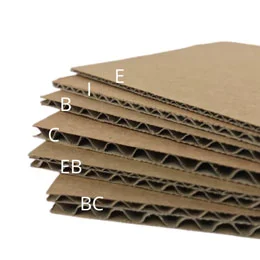
The most common structural material for PDQ boxes.
Benefits:
Corrugated board is widely used in wholesale packaging and shelf ready packaging.
Used when high-quality printing and visual presentation are priorities.
Advantages:
Often selected for cosmetics and premium consumer goods.
Heavy and highly durable material used for luxury merchandising displays.
Features:
Higher cost limits use to premium or long-term displays.
Common choice for eco friendly packaging.
Benefits include:
PDQ boxes may include:
These enhance longevity during shipping and display.
PDQ packaging offers measurable operational and commercial advantages.
Retailers can place displays directly on shelves without arranging individual units.
This reduces:
Open-front structures and angled displays improve product exposure and accessibility.
Customers can:
Custom printed packaging ensures uniform visual identity across all retail locations.
Brand messaging remains consistent regardless of store layout.
Pre-measured capacity helps retailers monitor stock levels and reorder efficiently.
Strategic placement and attractive presentation encourage spontaneous buying.
Small consumer goods benefit especially from countertop displays and strategically placed counter display boxes, where accessibility and visibility significantly increase impulse buying behavior.
Organized merchandising displays create a professional shopping environment.
Customization transforms functional packaging into a powerful marketing tool.
Manufacturers can design PDQ boxes with:
Structure must match product size, weight, and retail placement.
Custom printed packaging allows full brand communication.
Common printing methods include:
Visual elements may include:
Finishes influence perceived quality and durability.
Popular options:
PDQ displays often include:
These enhance consumer engagement at the point of purchase.
PDQ packaging is designed around consumer behavior and retail psychology.
Products positioned at:
receive significantly more attention.
PDQ boxes enable precise placement strategies.
Organized displays reduce cognitive load for shoppers.
Customers can easily:
Color, shape, and design guide shopper attention.
Well-designed merchandising displays create visual hierarchy and draw focus to featured products.
Convenience and accessibility increase unplanned purchases.
This is especially effective for:
Environmental responsibility is now a major purchasing factor in retail and manufacturing.
Businesses increasingly prefer eco-friendly packaging to meet regulatory and consumer expectations.
Common sustainable options include:
Sustainable PDQ packaging helps:
Consumers associate sustainable packaging with responsible brand values.
This can strengthen loyalty and trust.
Eco-conscious PDQ packaging is designed to:
Professional packaging manufacturers follow structured production workflows.
Engineers develop structural layouts based on:
Chosen based on durability, cost, and sustainability goals.
Artwork is prepared for print accuracy and color consistency.
Graphics applied using industrial printing methods.
Precision cutting creates fold lines and structural components.
Displays are formed and reinforced.
Manufacturers inspect:
PDQ boxes ship flat-packed or pre-assembled depending on requirements.
Selecting the correct display requires evaluating multiple business factors.
Where will the display be used?
Consider:
Premium products may require higher-quality materials and finishes.
Shipping distance and handling conditions influence structural design.
Choose recyclable or biodegradable materials if environmental branding is important.
Balance material quality, customization level, and order volume.
Understanding differences helps businesses choose the right format.
Both enable quick stocking.
Difference:
PDQ is a subtype of POP display.
POP displays include:
PDQ displays are typically compact and product-specific.
Standard packaging protects products only.
PDQ packaging protects, displays, and promotes simultaneously.
PDQ packaging supports diverse product categories.
Typical applications include:
Any product sold in multi-unit retail environments can benefit from PDQ display packaging.
Pricing varies depending on design complexity and production specifications.
Major cost factors include:
Premium materials increase cost.
Full-color graphics and specialty finishes raise production expenses.
Multi-tier designs require additional engineering.
Higher quantities reduce per-unit cost.
Pre-assembled displays cost more than flat-packed versions.
Bulk shipping and packaging protection influence logistics costs.
Businesses should request quotes from multiple packaging manufacturers to compare options.
At Cardboard Display Boxes, our Artwork Preparation Guide ensures your custom display box design is print-ready for perfect results. Submit vector files (AI, EPS, or PDF) in CMYK color mode, with 1/8 inch bleed and 300 DPI resolution. Convert all text to outlines and keep it at least 1/4 inch from the edges. Review your proof carefully before submitting. Following these steps guarantees your design prints flawlessly on your display boxes.
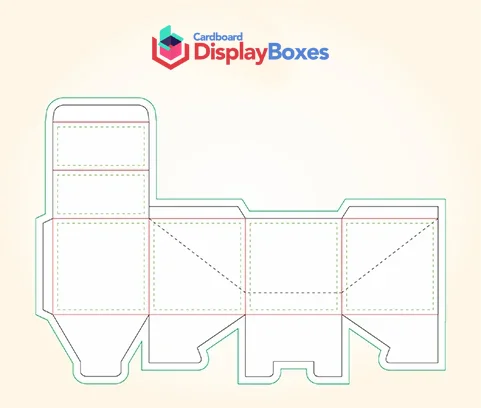

The cut line is the outline that marks where your custom packaging will be trimmed. It is typically represented by a solid black line in your artwork file.

The bleed line is the area extending beyond the cut line, usually marked with a green line in your artwork. Typically, a 1/8 inch (0.125") bleed is required to prevent any unwanted white borders.
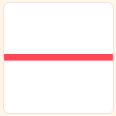
The crease line, marked by red lines in your artwork, indicates where the box will be folded during production.
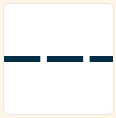
Perforation lines, shown as dotted black lines, indicate where the box will have small, evenly spaced holes for easy tearing or separation. These are often used for tear-away sections.

The safety margin, marked by dotted green lines, is the area around the cut line where important elements (such as text, logos, or graphics) should be kept clear.
Need help from a Cardboard Display Boxes expert? We’re here! Choose from a variety of custom display box options, including eco-friendly and premium finishes, all designed to make your products stand out. With our fast turnaround, your packaging is ready without delay.






Cardboard Display Boxes offers premium custom display packaging solutions designed to boost product visibility, branding, and retail sales worldwide.
Copyright 2026, Cardboard Display Boxes. All Rights Reserved.