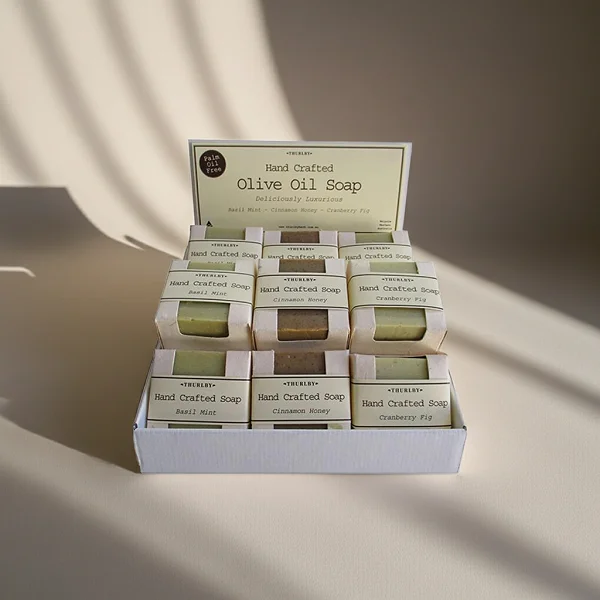
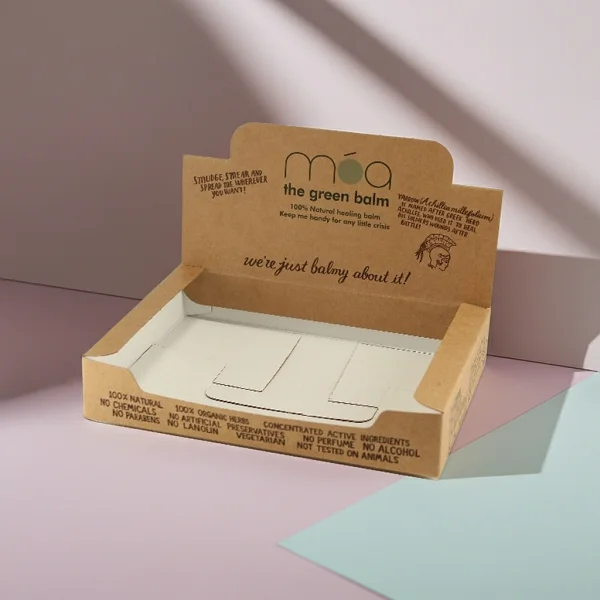
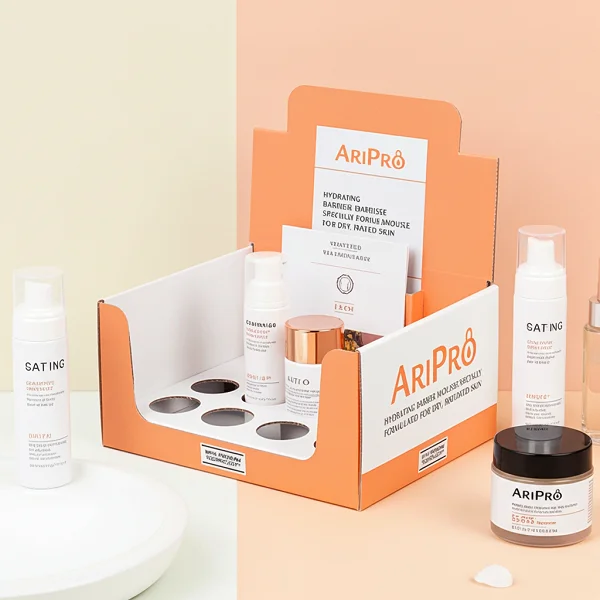
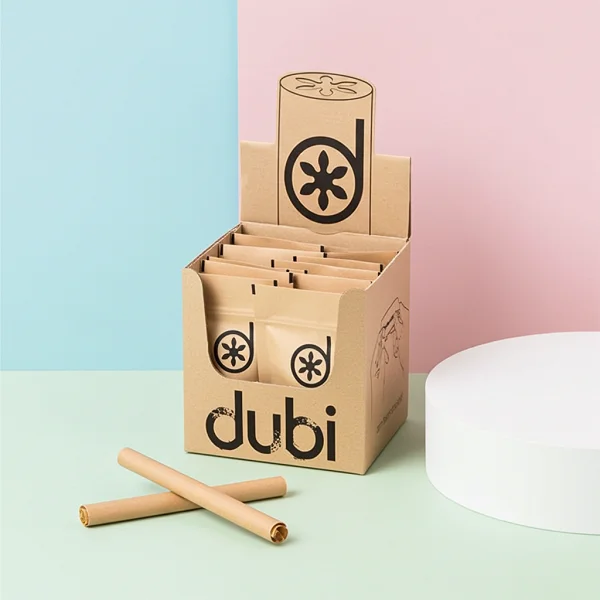
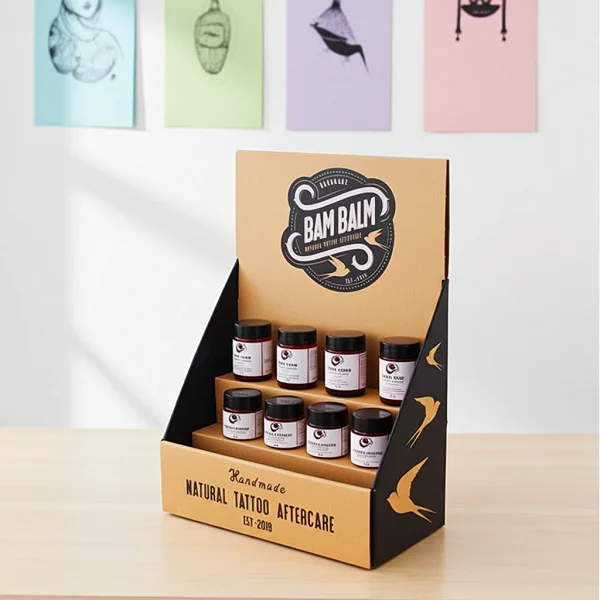
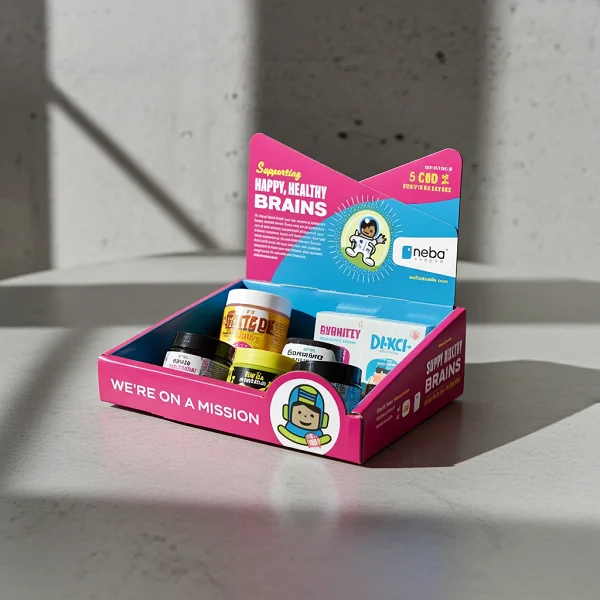
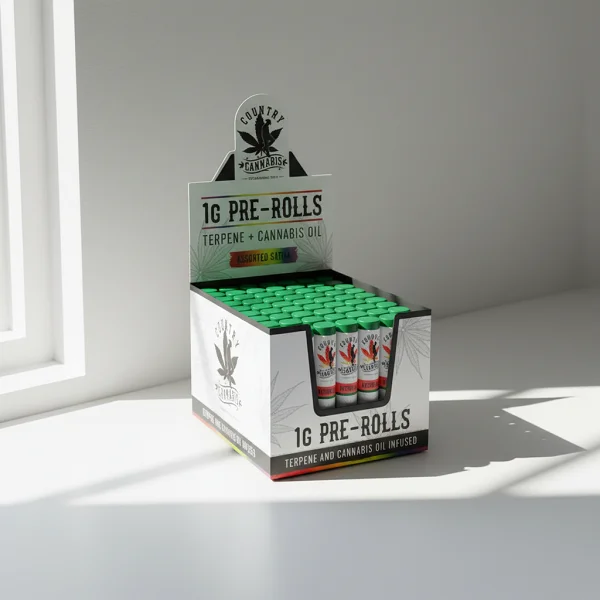
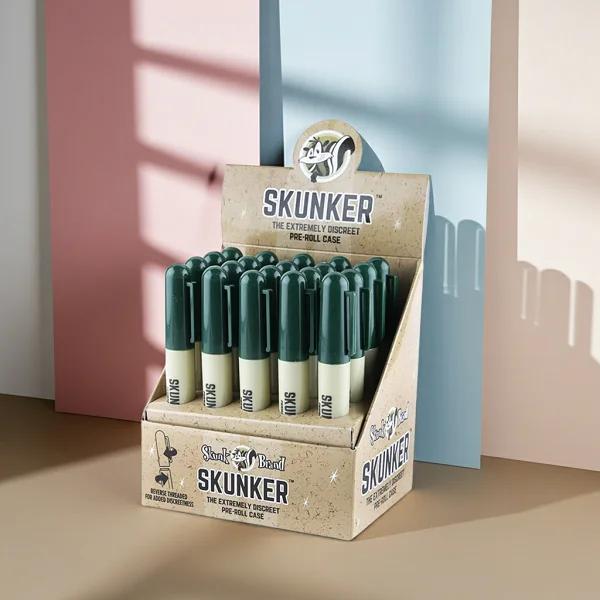
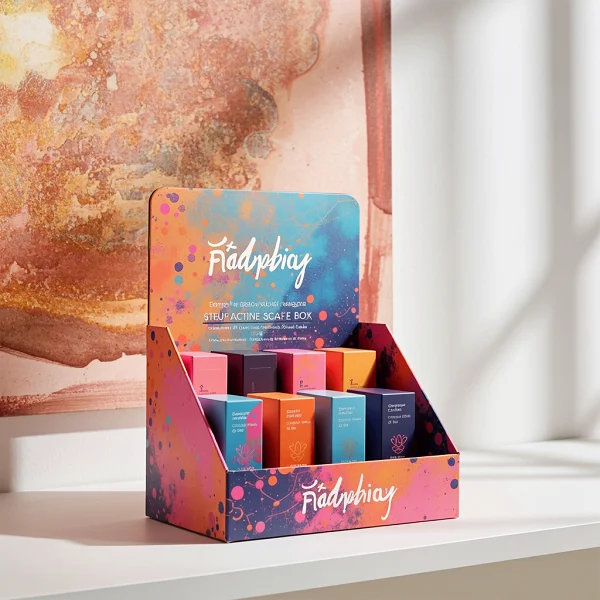
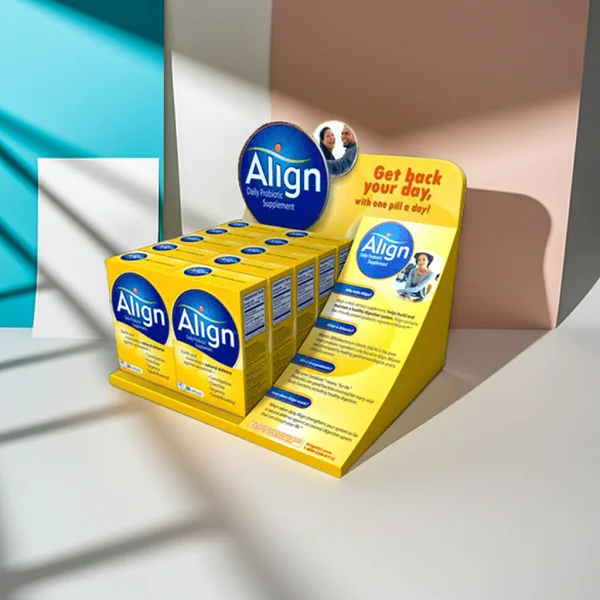
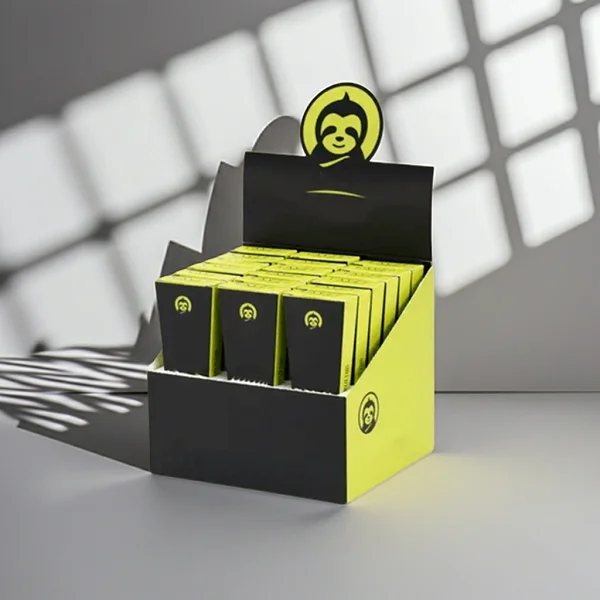
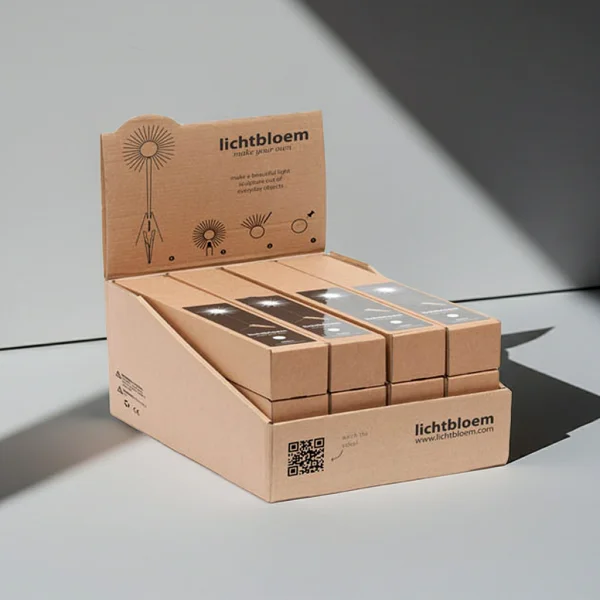
Shoe Display Boxes offer protective, stylish, and premium packaging for footwear. Designed to enhance retail presentation, they provide organization, visual appeal, and brand promotion while keeping shoes secure and ready for display in a polished, attractive, and customer-engaging format.



Get Your Custom Boxes Designed in Your Desired Shape, Size and Style

Get Your Custom Boxes Printed With Your Desired Artwork And Colors

Get Custom Boxes At Wholesale Prices. Low MOQs. No Die or Plate Charges
| Dimension (L + W + H) | All Custom Sizes & Shapes |
| Quantities | Low Minimum Order Required |
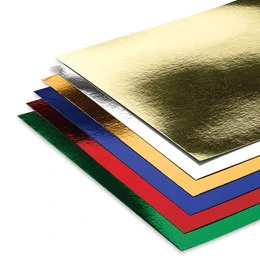
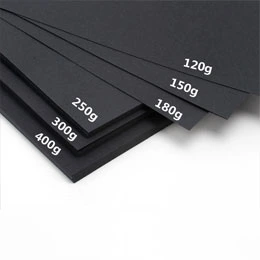
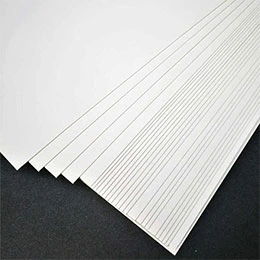
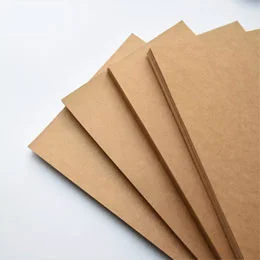
| Stock | 10pt to 28pt (60lb to 400lb) Eco-Friendly Kraft, E-flute Corrugated, Bux Board, Cardstock |
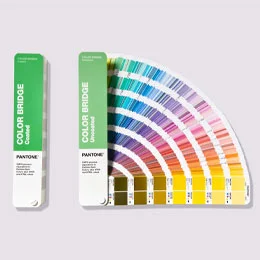
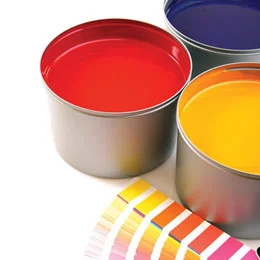
| Printing | No Printing, CMYK, CMYK + 1 PMS color, CMYK + 2 PMS colors |
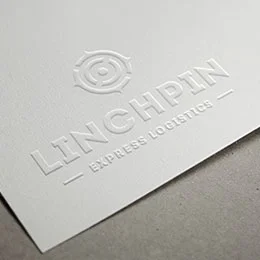
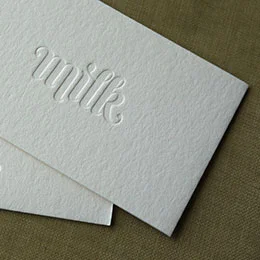
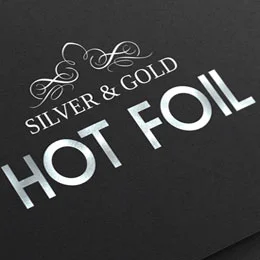
| Finishing | Gloss Lamination, Matte Lamination, Gloss AQ, Gloss UV, Matte UV, Spot UV, Embossing, Foiling |
| Included Options | Die Cutting, Gluing, Scoring, Perforation |
| Additional Options | Eco-Friendly, Recycled Boxes, Biodegradable |
| Proof | Flat View, 3D Mock-up, Physical Sampling (On request) |
| Turnaround | 2 – 4 Business Days, RUSH |
| Shipping | FREE |
In modern retail, product presentation is no longer just a visual enhancement it is a strategic driver of customer engagement, brand perception, and purchasing behavior. Whether in physical stores, showrooms, or hybrid retail environments, the way products are displayed significantly influences how consumers evaluate quality, desirability, and value.
Footwear is particularly dependent on visual merchandising. Shoes are style-driven, detail-oriented products that consumers often assess based on design, color, material, and craftsmanship. Effective presentation must allow customers to see, compare, and interact with products easily. Poor presentation, on the other hand, reduces perceived value and limits sales potential.
This is where shoe display boxes play a critical role.
Shoe display boxes are purpose-built packaging solutions designed to showcase footwear while protecting it, organizing retail space, and reinforcing brand identity. As a specialized category of product display boxes, they are used across retail shelves, window displays, stockrooms, exhibitions, and e-commerce photography environments. Unlike simple storage containers, retail shoe display packaging functions as a merchandising tool that enhances visibility and encourages purchase decisions.
For footwear brands, retailers, and packaging buyers, understanding shoe display packaging is essential for improving retail efficiency, strengthening brand recognition, and maximizing product presentation. This comprehensive guide explores everything you need to know from structure and materials to customization, sustainability, manufacturing, wholesale purchasing, and industry trends so you can make informed, strategic packaging decisions.
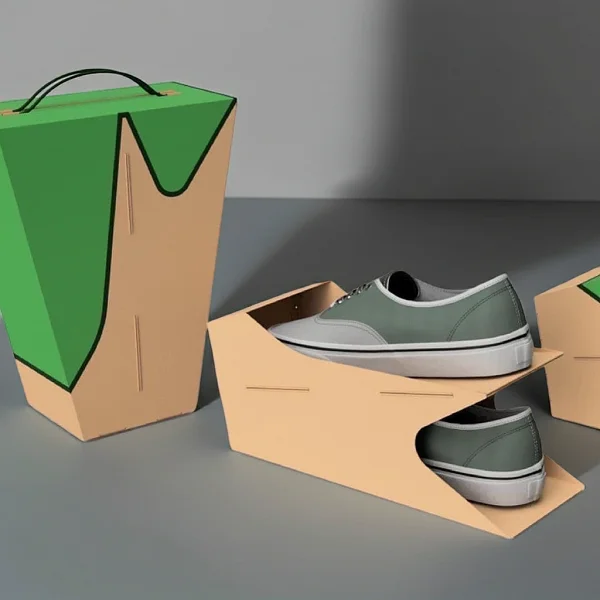
Shoe display boxes are specialized packaging structures designed to present footwear in a visually appealing and accessible manner while providing protection and organization. They are engineered for retail environments where product visibility and presentation directly impact consumer purchasing behavior.
These boxes may be open, transparent, stackable, branded, or structurally reinforced depending on merchandising goals and retail space requirements.
The primary functions of shoe display boxes include:
In high-traffic retail environments, structured display packaging also reduces handling damage and maintains product condition throughout the sales cycle.
It is important to distinguish between shoe display packaging and storage packaging.
| Feature | Storage Shoe Packaging | Shoe Display Boxes |
| Main objective | Protection and storage | Presentation and merchandising |
| Visibility | Often opaque | Often open or transparent |
| Branding importance | Moderate | High |
| Retail placement | Backroom or warehouse | Customer-facing areas |
| Structural design | Basic container | Engineered for display impact |
Many modern designs combine both functions providing protective structure while enabling attractive product presentation.
Different retail environments and merchandising strategies require different display structures. Selecting the right type ensures optimal visibility, organization, and brand presentation.
Clear shoe display boxes are transparent containers, typically made from rigid plastic or acrylic, that allow full product visibility without opening the box.
Best suited for:
They are especially popular in footwear boutiques and collector-oriented retail settings where visual access is essential.
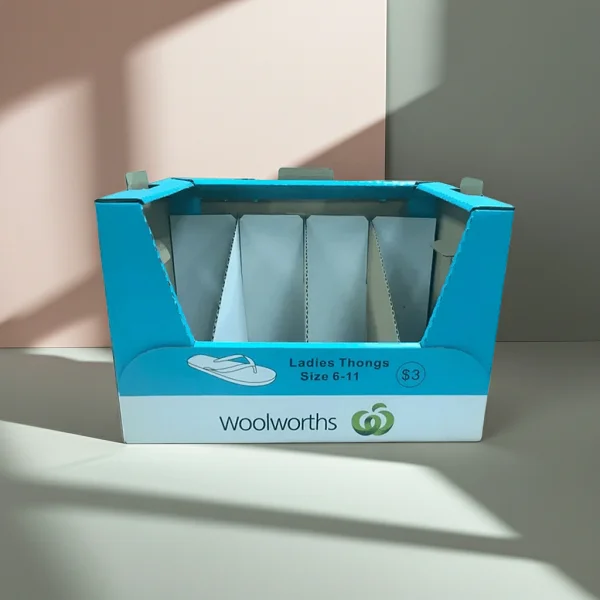
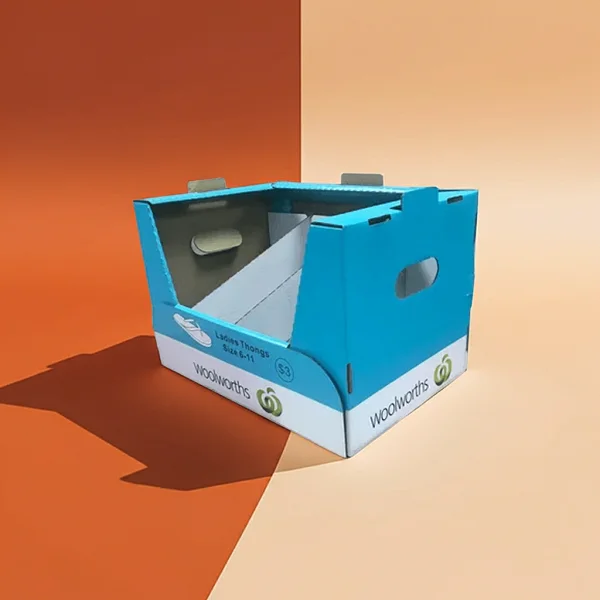
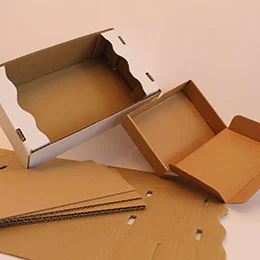
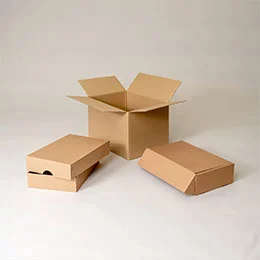
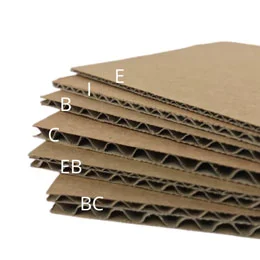
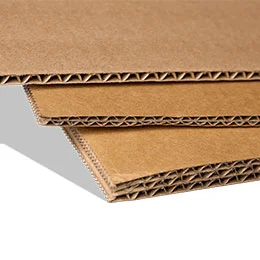
Corrugated shoe packaging offers structural strength and cost efficiency. These are commonly used for retail merchandising, shipping-to-display solutions, and stackable presentation systems.
Advantages:
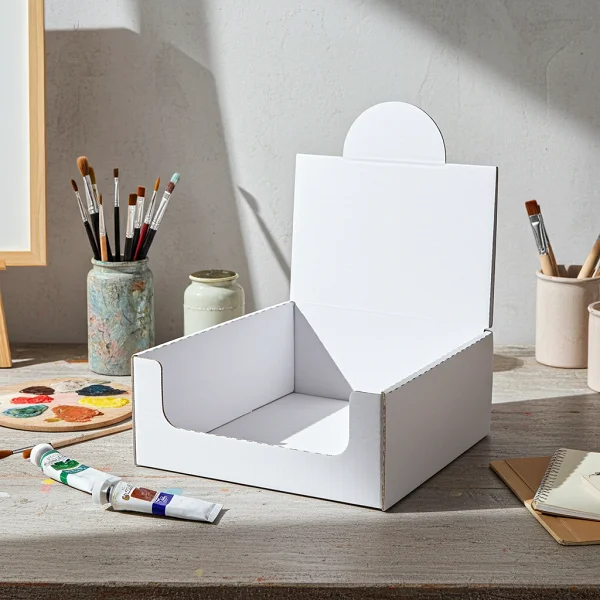
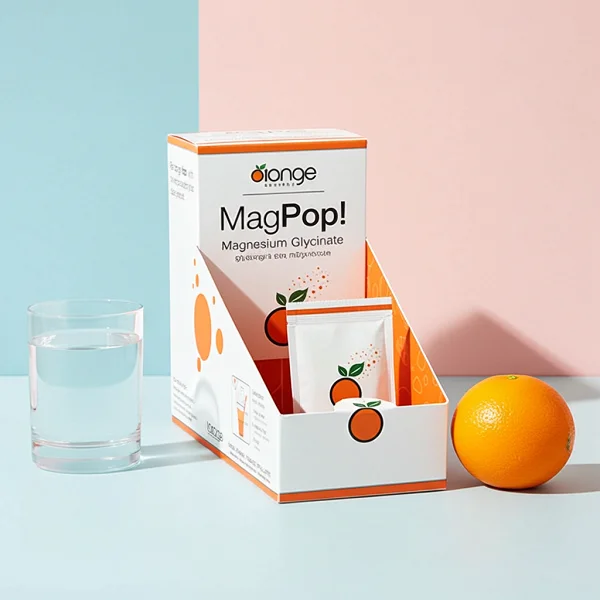
Designed with partial openings to allow easy product access while maintaining structural support. Frequently used in self-service retail environments.
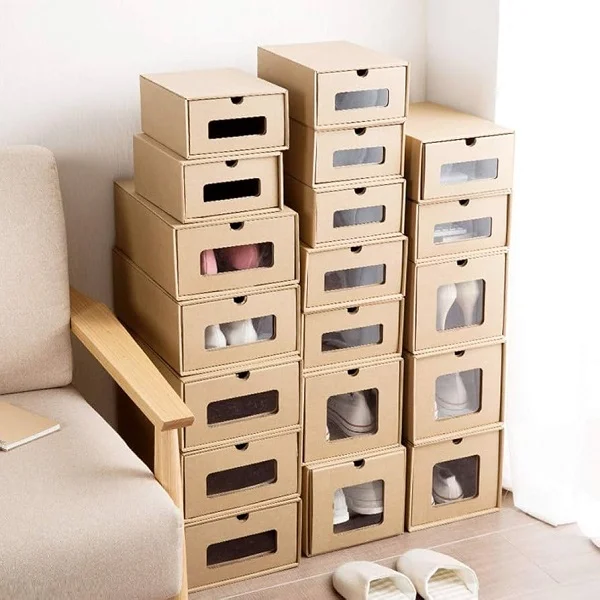
Engineered for vertical retail merchandising. Stackable designs maximize space utilization while maintaining organized product presentation.
Feature sliding compartments for premium product presentation. Often used for luxury footwear brands.
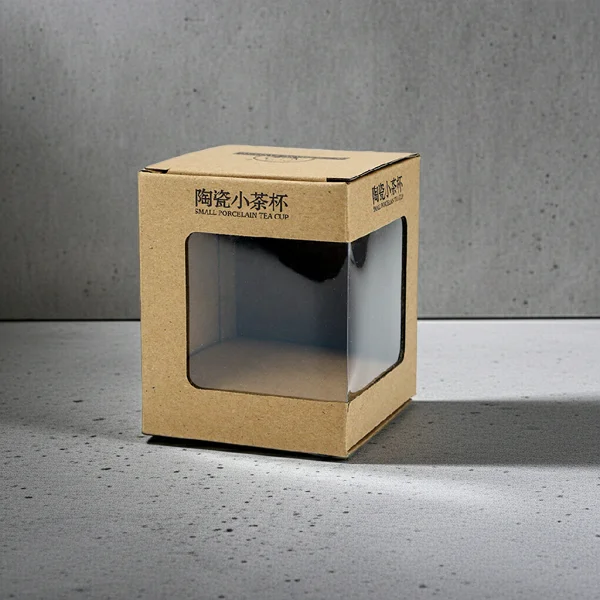
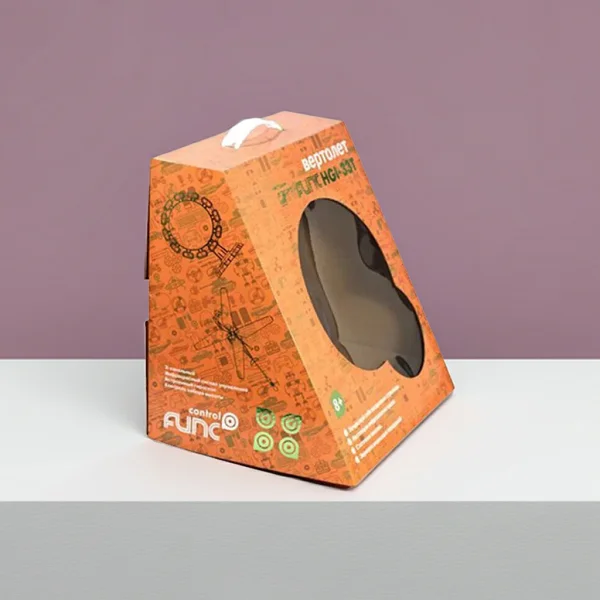
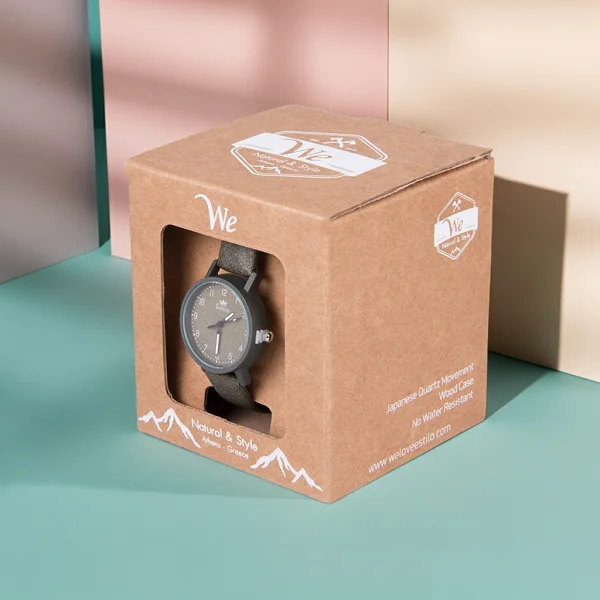
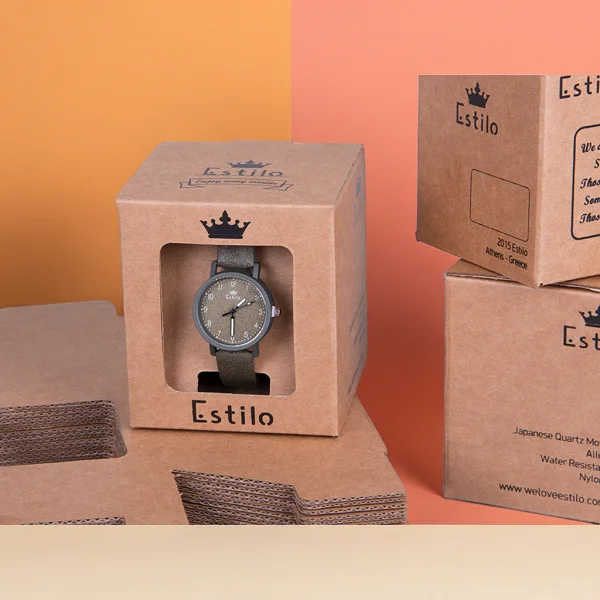
Include transparent panels or die-cut windows that provide product visibility while preserving structural integrity.
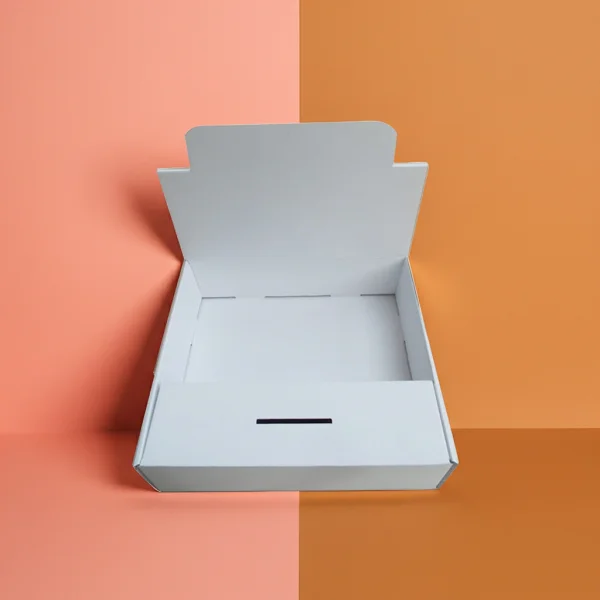
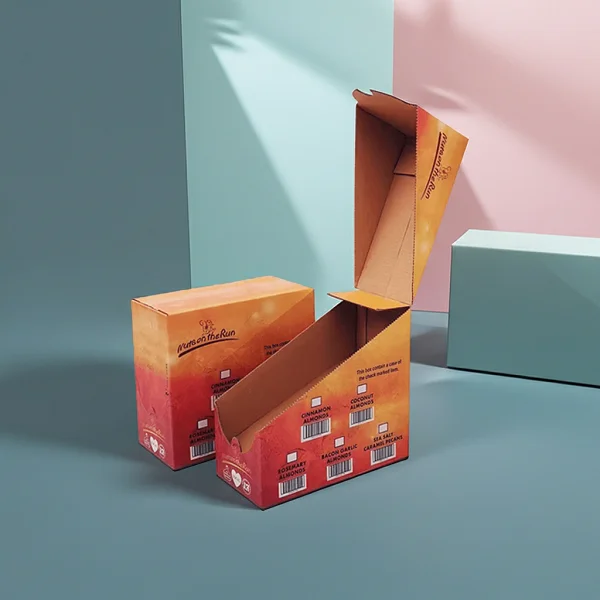
Pre-packed and designed for immediate placement on retail shelves. Retail staff remove a perforated cover to convert shipping packaging into custom display packaging.
Material selection affects durability, protection level, sustainability, visual appeal, and cost. The right material must balance structural performance with merchandising impact.
The most widely used material for retail shoe display packaging.
Benefits:
Corrugated structures are commonly used for both shipping and display integration.
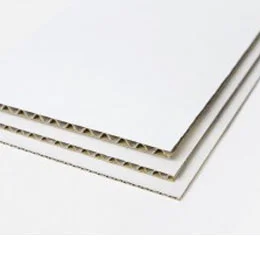
Lightweight and printable, paperboard is ideal for branded shoe packaging with strong visual presentation.
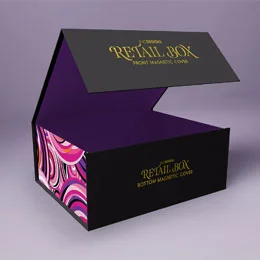
Provides a premium look and enhanced structural integrity. Often used in luxury retail display environments.
Growing environmental awareness has increased demand for eco-friendly shoe packaging.
Common sustainable options include:
Sustainable materials help brands align with environmental responsibility initiatives while maintaining packaging performance.
Retail shoe display packaging delivers measurable operational and commercial advantages.
Strategic display structures make footwear easier to see, compare, and evaluate. Visibility directly influences purchase likelihood.
Branded shoe packaging reinforces identity through color, typography, graphics, and structural design.
Display boxes streamline inventory presentation, making browsing easier for customers and restocking easier for staff.
Dust, handling damage, and deformation are minimized, preserving product quality throughout retail exposure.
Effective retail merchandising packaging supports impulse purchases and improves perceived product value.
Stackable and modular designs maximize retail floor and shelf space.
Customization transforms display packaging into a brand communication platform. For footwear companies, packaging is often the first physical brand touchpoint customers experience.
Brands can tailor packaging based on:
Custom printing allows integration of:
Custom shoe display boxes enhance brand recognition and create a consistent retail identity across locations.
Effective design combines structural engineering with visual merchandising principles.
Transparent panels or open-front designs improve product exposure.
Reinforced base panels prevent deformation under weight.
Uniform dimensions allow vertical organization.
Easy product removal encourages customer interaction.
Printed panels communicate features, sizing, and brand messaging.
Designs must align with shelf dimensions, lighting conditions, and traffic flow.
Retail context determines optimal packaging structure.
Require premium materials, clear displays, and brand-focused aesthetics.
Need standardized stackable systems for organized merchandising.
Emphasize durability, bulk storage, and fast restocking.
Require portable, visually impactful display packaging.
Use display packaging for photography and brand presentation.
Selecting appropriate display packaging requires systematic evaluation.
Higher customization increases cost but may significantly improve brand perception and sales performance.
Choose manufacturers with:
Sustainability is now a major purchasing criterion for retailers and consumers alike.
Corrugated and paperboard materials are widely recyclable.
Efficient engineering lowers environmental impact.
Eco-friendly adhesives and coatings improve lifecycle performance.
Certified forestry materials support sustainable supply chains.
Eco-friendly shoe packaging supports brand reputation while meeting regulatory and consumer expectations.
Professional manufacturing follows a structured production workflow.
Understanding brand requirements and retail strategy.
Developing load-bearing and display-optimized structures.
Testing durability, appearance, and retail functionality.
Balancing cost, sustainability, and structural performance.
Applying graphics, coatings, and brand elements.
Precision cutting and forming of structural components.
Inspection of strength, print accuracy, and dimensional consistency.
Wholesale shoe display boxes provide cost efficiency for large-scale retail operations.
Retail merchandising packaging continues to evolve with consumer behavior and technology.
Clean design emphasizing product visibility.
Flexible structures adaptable to multiple product lines.
QR codes and digital product information.
Increased use of clear display structures.
Reusable and recyclable display systems.
Insufficient structural strength leads to display failure.
Oversized packaging limits placement flexibility.
Inconsistent graphics reduce recognition.
Retail staff require quick setup solutions.
Limited product exposure reduces merchandising impact.
At Cardboard Display Boxes, our Artwork Preparation Guide ensures your custom display box design is print-ready for perfect results. Submit vector files (AI, EPS, or PDF) in CMYK color mode, with 1/8 inch bleed and 300 DPI resolution. Convert all text to outlines and keep it at least 1/4 inch from the edges. Review your proof carefully before submitting. Following these steps guarantees your design prints flawlessly on your display boxes.
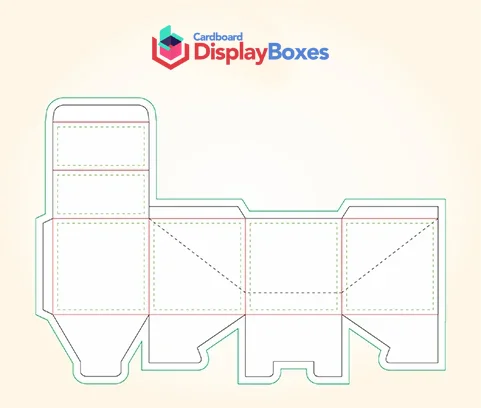

The cut line is the outline that marks where your custom packaging will be trimmed. It is typically represented by a solid black line in your artwork file.

The bleed line is the area extending beyond the cut line, usually marked with a green line in your artwork. Typically, a 1/8 inch (0.125") bleed is required to prevent any unwanted white borders.

The crease line, marked by red lines in your artwork, indicates where the box will be folded during production.
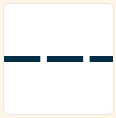
Perforation lines, shown as dotted black lines, indicate where the box will have small, evenly spaced holes for easy tearing or separation. These are often used for tear-away sections.

The safety margin, marked by dotted green lines, is the area around the cut line where important elements (such as text, logos, or graphics) should be kept clear.
Need help from a Cardboard Display Boxes expert? We’re here! Choose from a variety of custom display box options, including eco-friendly and premium finishes, all designed to make your products stand out. With our fast turnaround, your packaging is ready without delay.
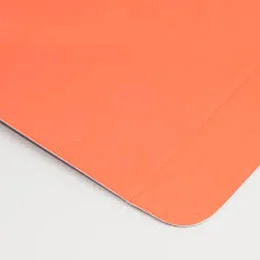
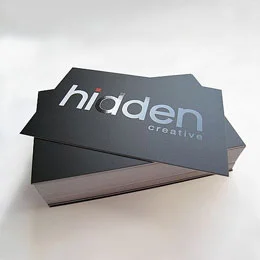






Cardboard Display Boxes offers premium custom display packaging solutions designed to boost product visibility, branding, and retail sales worldwide.
Copyright 2026, Cardboard Display Boxes. All Rights Reserved.