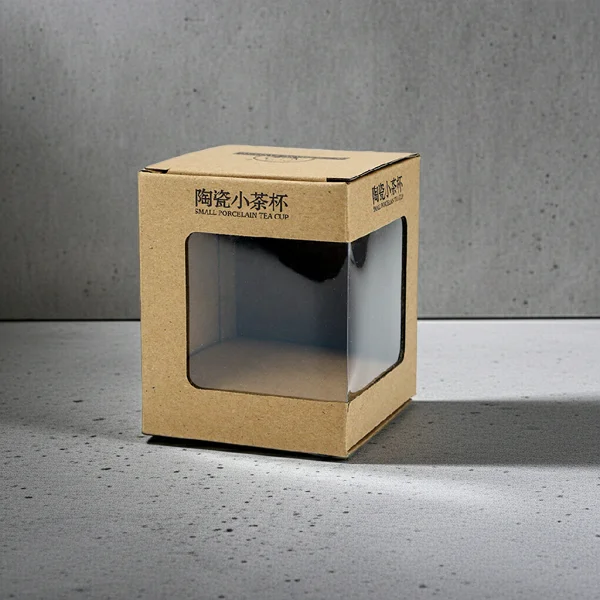
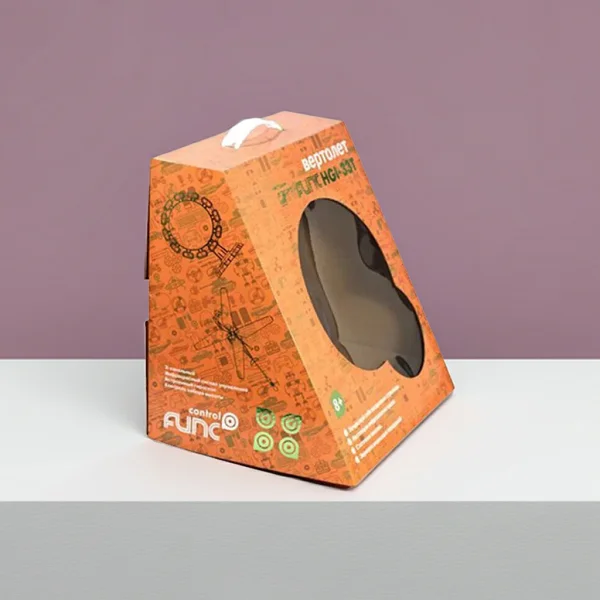
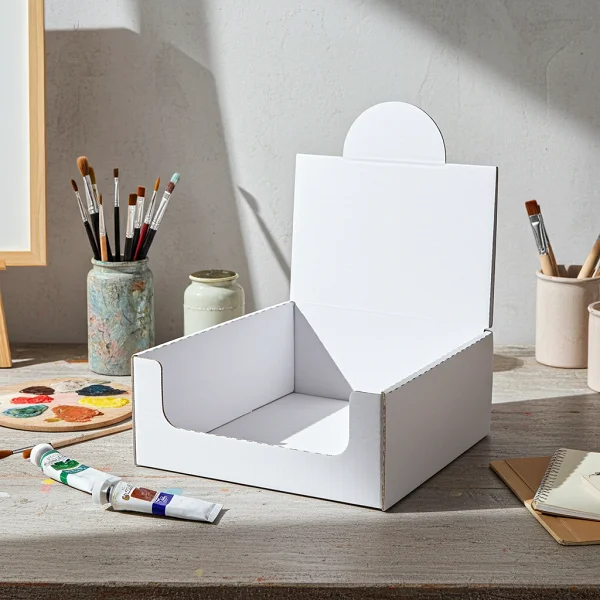
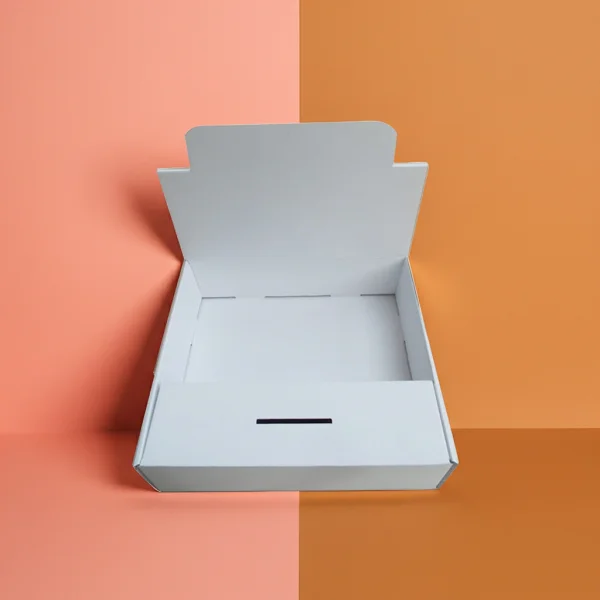
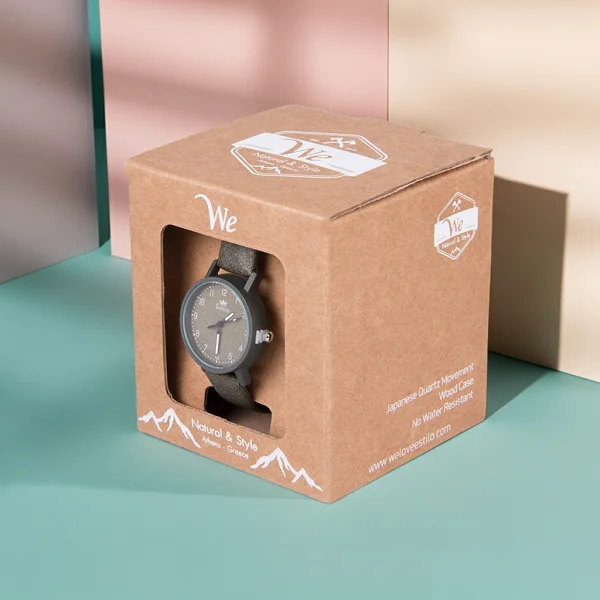
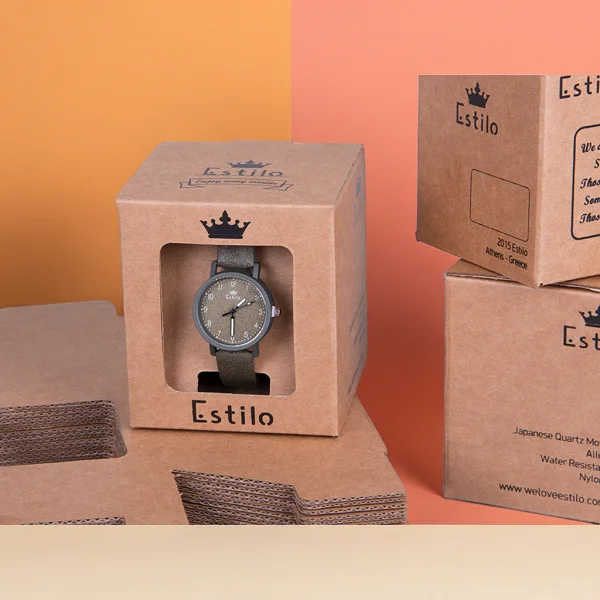
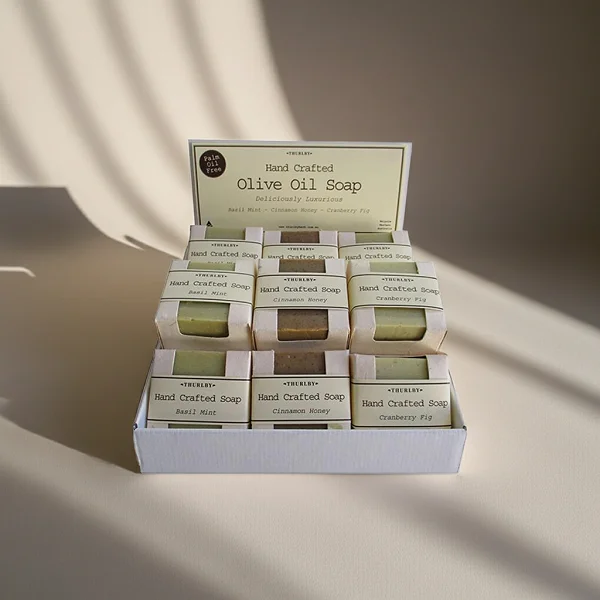
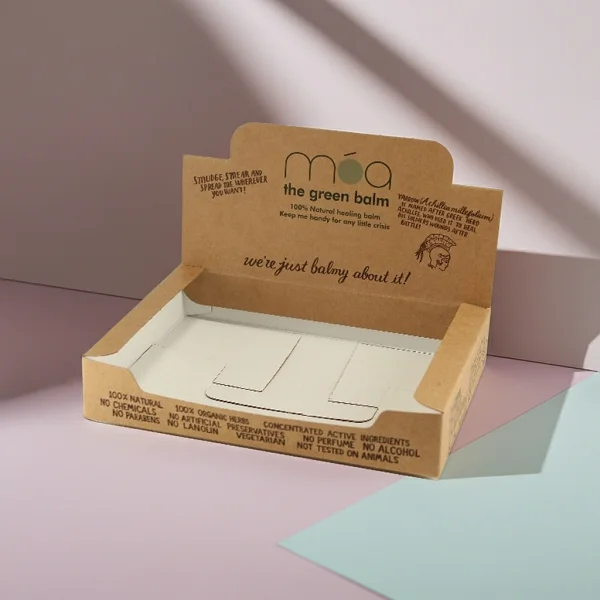
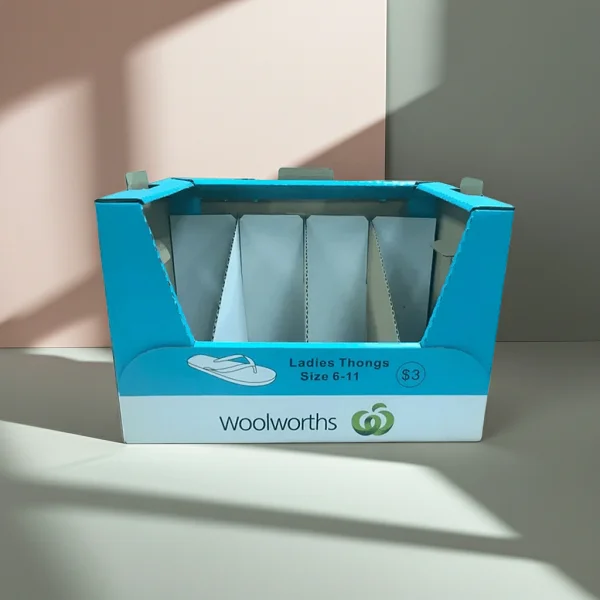
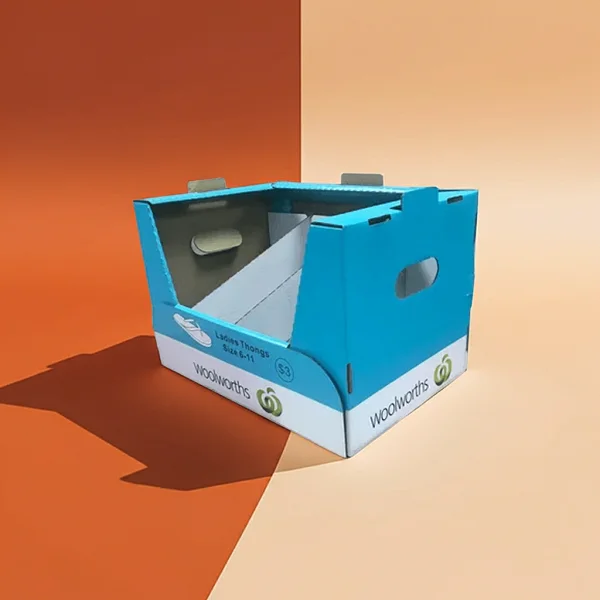
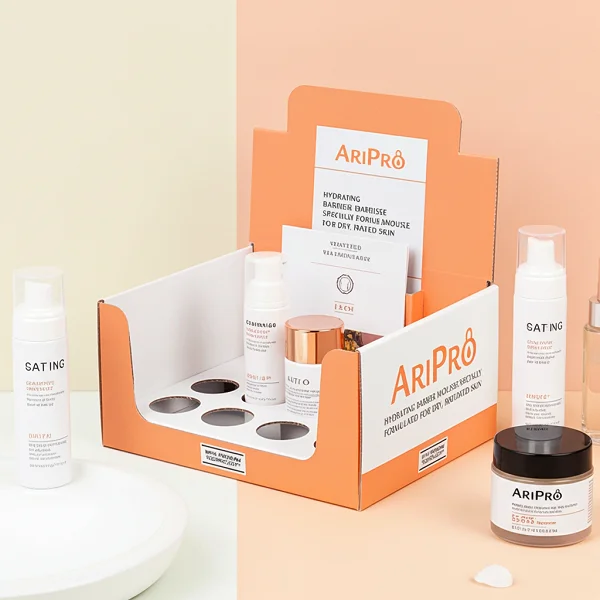
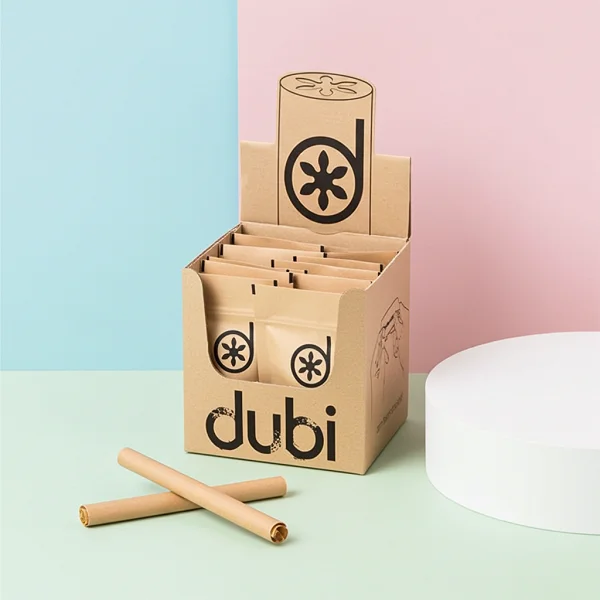
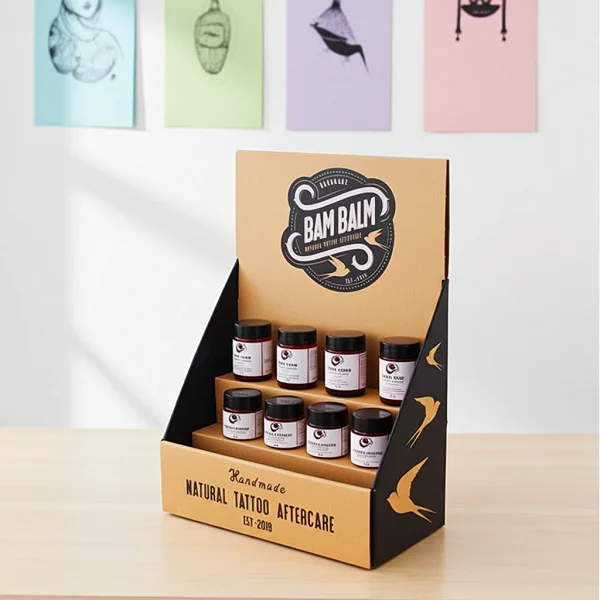
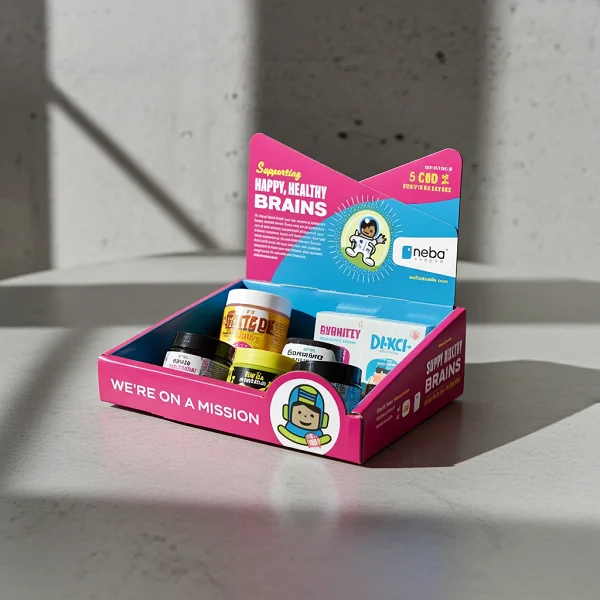
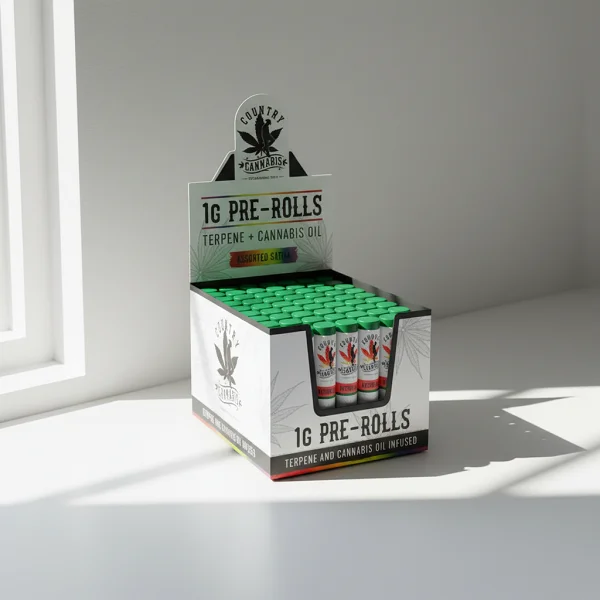
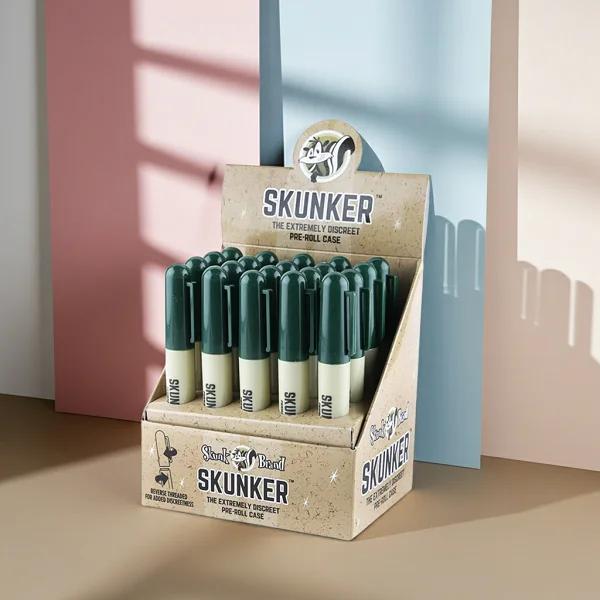
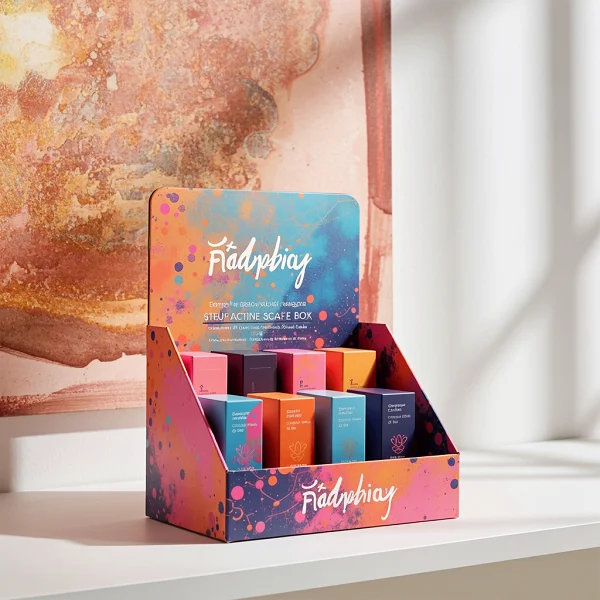
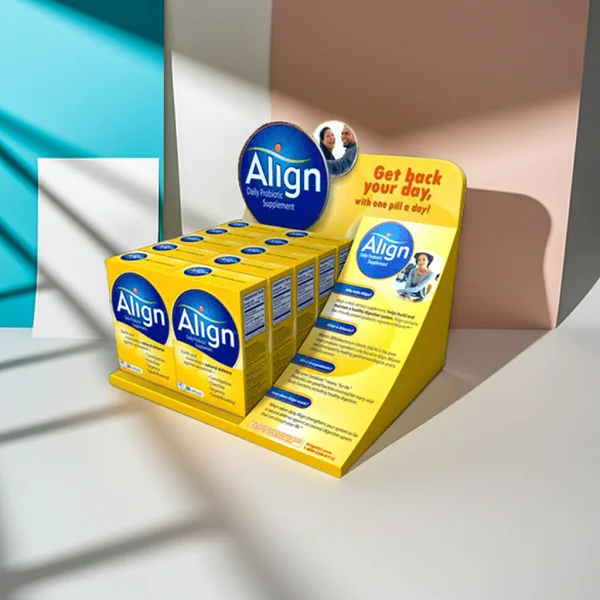
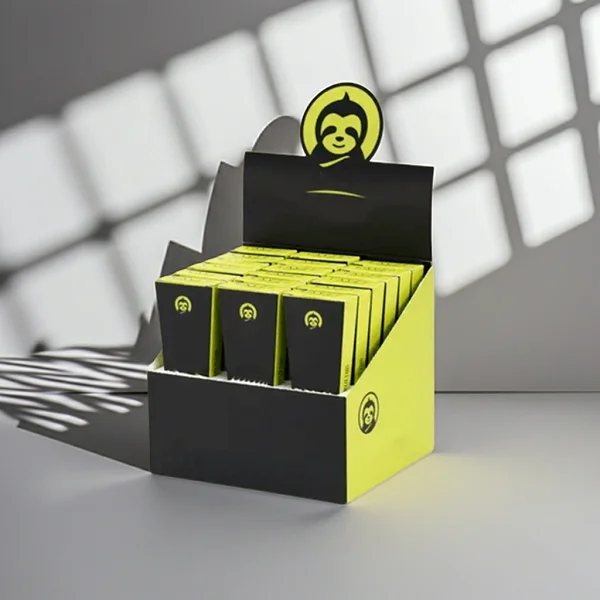
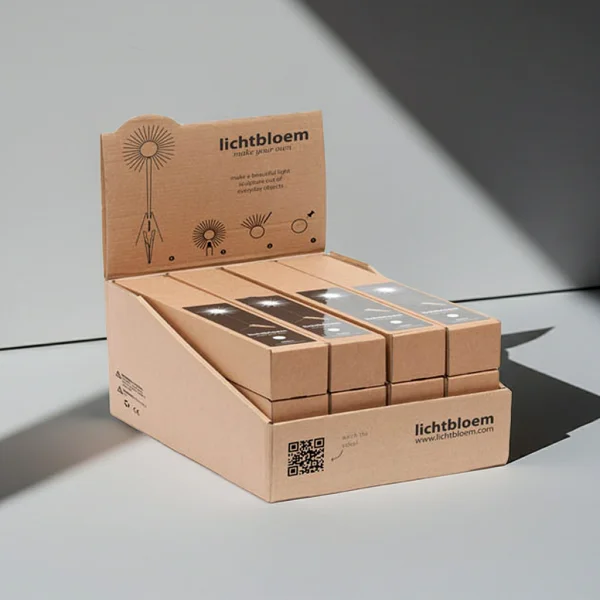
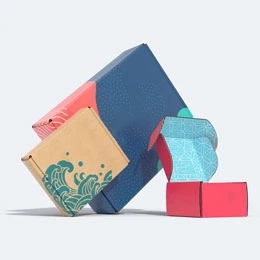
Tear Away Boxes feature convenient, innovative packaging for quick access and display. Durable and creatively designed, they organize products efficiently, capture customer attention, and enhance retail presentation with eye-catching, functional, and professional packaging solutions.
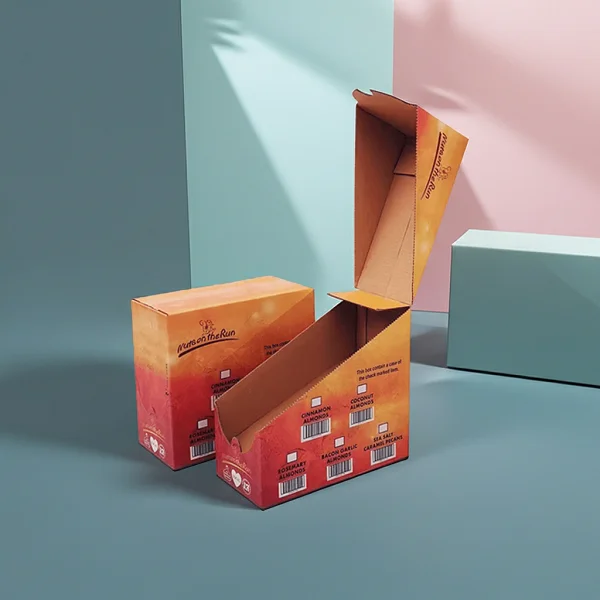
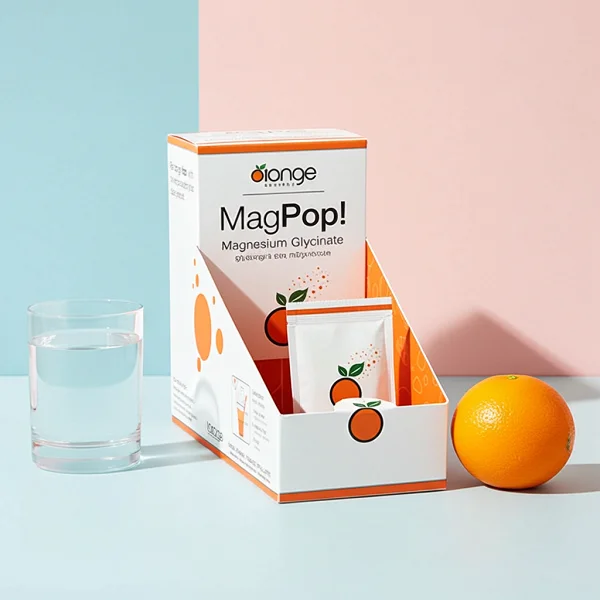
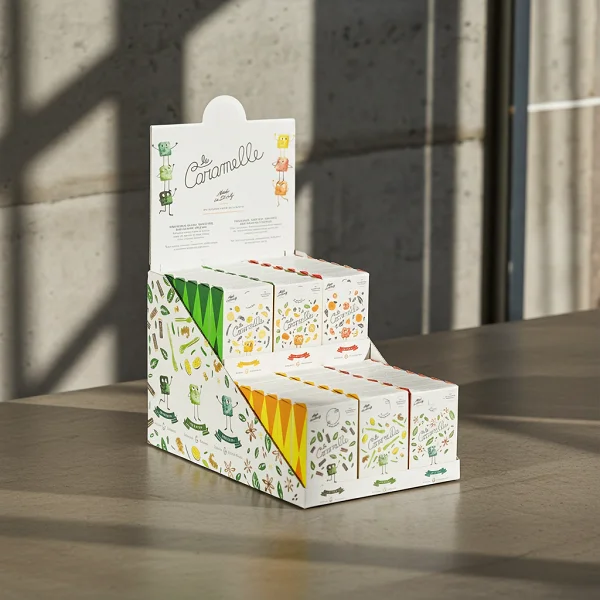
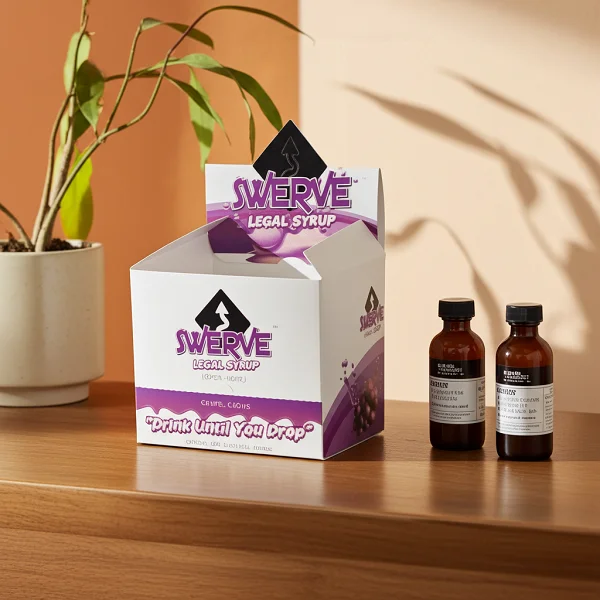



Get Your Custom Boxes Designed in Your Desired Shape, Size and Style

Get Your Custom Boxes Printed With Your Desired Artwork And Colors

Get Custom Boxes At Wholesale Prices. Low MOQs. No Die or Plate Charges
| Dimension (L + W + H) | All Custom Sizes & Shapes |
| Quantities | Low Minimum Order Required |
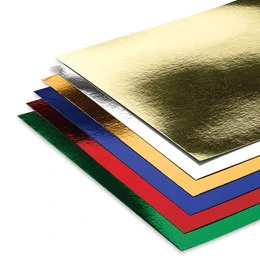
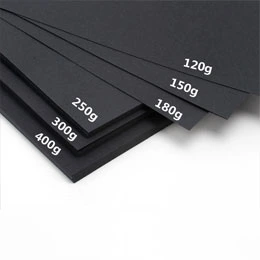
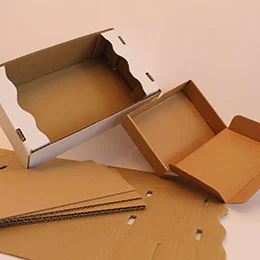
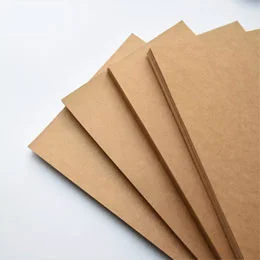
| Stock | 10pt to 28pt (60lb to 400lb) Eco-Friendly Kraft, E-flute Corrugated, Bux Board, Cardstock |
| Printing | No Printing, CMYK, CMYK + 1 PMS color, CMYK + 2 PMS colors |
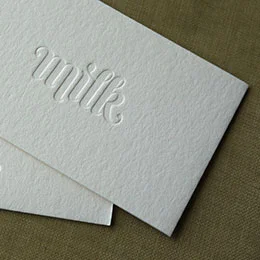
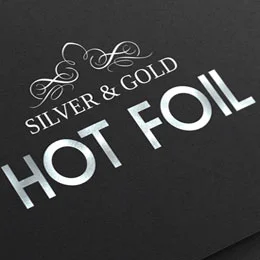
| Finishing | Gloss Lamination, Matte Lamination, Gloss AQ, Gloss UV, Matte UV, Spot UV, Embossing, Foiling |
| Included Options | Die Cutting, Gluing, Scoring, Perforation |
| Additional Options | Eco-Friendly, Recycled Boxes, Biodegradable |
| Proof | Flat View, 3D Mock-up, Physical Sampling (On request) |
| Turnaround | 2 – 4 Business Days, RUSH |
| Shipping | FREE |
Modern retail environments demand packaging that does more than protect products during shipping. It must also enable fast stocking, enhance shelf presentation, reduce labor, and support brand visibility all while remaining cost-efficient and sustainable. This is where tear away boxes play a crucial role.
Tear away boxes are a specialized form of retail display packaging designed to transform quickly from a shipping container into a ready-to-display unit. Using strategically placed perforations, retailers can remove portions of the box without tools, instantly exposing products for customer access.
For manufacturers and retailers managing high-volume distribution, this type of shelf ready packaging delivers operational efficiency and stronger product presentation at the same time.
This comprehensive guide explains everything businesses need to know about tear away packaging from structural design and materials to manufacturing processes, customization, sustainability, and purchasing decisions.
By the end, you will understand:
Whether you are a product manufacturer, brand owner, or procurement manager, this guide will help you evaluate tear away packaging with confidence.
Tear away boxes are corrugated cardboard packaging structures engineered with pre-cut perforations that allow specific sections of the box to be removed quickly and cleanly. Once the removable portion is torn away, the remaining structure serves as a product display tray or open-front container suitable for retail shelves.
They are commonly categorized as a type of:
Traditional shipping cartons are designed solely for protection and transportation. Tear away boxes, however, are designed with a dual function:
This dual-purpose structure eliminates the need to unpack products individually or transfer them into separate display trays, allowing businesses to move products directly into shelf-ready or counter display boxes without additional handling.
Most tear away boxes include:
The goal is structural integrity during logistics and controlled transformation at retail.
Retailers handle thousands of products daily. Opening standard boxes, arranging items, and disposing of packaging consumes time and labor. Tear away packaging solves this by enabling:
This is why they are widely used in high-turnover retail environments.
The functionality of tear away packaging depends on precision engineering of perforation patterns and structural stress distribution.
Perforations are micro-cuts placed along predefined tear paths. They weaken the material along a controlled line while maintaining overall structural strength.
Perforation design considers:
A properly engineered perforation allows the user to remove a panel smoothly without damaging the remaining structure.
The typical process involves:
No knives or tools are required, which improves safety and efficiency.
Once opened, the box transforms into a display unit. The remaining structure often features:
The transformation is immediate, allowing direct placement on shelves or promotional displays.
Different retail environments require different structural solutions. Tear away boxes are manufactured in several configurations depending on product size, weight, and display goals.
Common uses: snack packs, cosmetics, pharmaceuticals.
Used for heavier or taller products.
Frequently used in supermarkets.
Often used for seasonal campaigns.
Used for hardware, bottled goods, or industrial supplies.
Material selection directly influences strength, durability, print quality, and sustainability.
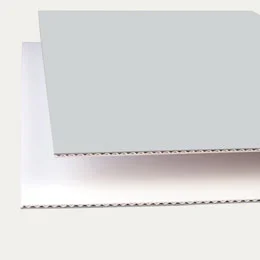
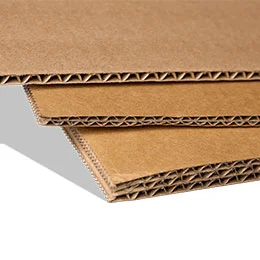
Most tear away boxes are produced from corrugated cardboard packaging, which provides:
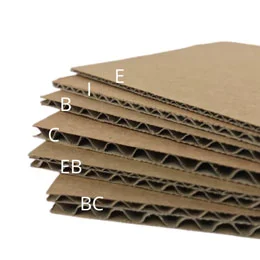
Corrugated board consists of:
Different flute profiles affect strength and tear behavior.
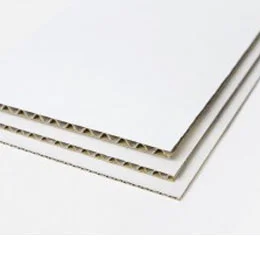
Some display-focused packaging uses:
These provide superior print surfaces for branding.
Many manufacturers use:
These contribute to eco friendly packaging goals.
The packaging manufacturing process involves structural engineering, precision cutting, and quality control.
Design begins with:
Packaging engineers develop 3D structural prototypes to test tear performance and load strength.
A custom steel die is manufactured to cut the box shape. This stage creates:
Die cutting ensures consistency across large production runs.
Perforation tools are calibrated to create:
Precision here determines usability at retail.
Boxes may be printed using:
This allows full packaging customization including:
Machines fold panels and apply adhesives to form flat-packed shipping units.
Manufacturers test:
Only structurally reliable units proceed to distribution.
Tear away packaging provides measurable operational and commercial advantages.
Retailers can place products on shelves immediately.
Visibility directly supports sales performance.
Businesses save money through:
One structure performs multiple functions.
This benefits both retailers and distributors.
Tear away boxes are widely used across multiple sectors.
High turnover makes shelf ready packaging essential.
Display-ready packaging improves merchandising.
Ensures organized shelf presentation.
Prevents handling damage.
Reinforced tear away boxes support heavier loads.
Custom tear away boxes can be engineered for both functional and branding requirements.
Design is tailored to product and retail environment.
Options include:
Branding is visible even after conversion to display mode.
These features improve usability and durability.
Tear away packaging supports sustainability goals in several ways.
One package serves as:
This eliminates secondary packaging.
Most corrugated structures are fully recyclable, supporting circular material flows.
Retailers do not discard extra packaging components.
Fewer materials and reduced handling lower overall environmental impact.
These features make tear away boxes an effective eco friendly packaging solution.
| Feature | Tear Away Boxes | Traditional Packaging |
| Retail readiness | Immediate display | Requires unpacking |
| Labor requirements | Minimal | High |
| Product visibility | Built-in display | Separate display needed |
| Packaging components | Single unit | Multiple components |
| Waste generation | Lower | Higher |
| Stocking speed | Fast | Slow |
| Brand exposure | Continuous | Limited |
Tear away boxes provide clear operational advantages in high-volume retail environments.
Selecting the correct design requires evaluating several factors.
Consider:
These determine material strength and structure.
Assess:
Design must match merchandising needs.
Factor in:
Transport conditions influence board grade selection.
Determine:
This affects the printing method and material finish.
Choose:
Environmental targets influence material selection.
Poor structural planning can undermine performance.
Too weak:
Too strong:
Balance is critical.
Display trays must support product weight after panel removal.
Improper sizing reduces usability and visual impact.
Retail staff need intuitive, fast opening.
Graphics must remain visible after conversion to display form.
Purchasing tear away packaging involves several commercial considerations.
Cost depends on:
Higher volumes significantly reduce unit cost.
Custom packaging often requires minimum production runs due to die manufacturing.
Evaluate suppliers based on:
Request prototypes before full production.
Typical stages include:
Lead times vary from 2 to 8 weeks depending on complexity.
At Cardboard Display Boxes, our Artwork Preparation Guide ensures your custom display box design is print-ready for perfect results. Submit vector files (AI, EPS, or PDF) in CMYK color mode, with 1/8 inch bleed and 300 DPI resolution. Convert all text to outlines and keep it at least 1/4 inch from the edges. Review your proof carefully before submitting. Following these steps guarantees your design prints flawlessly on your display boxes.
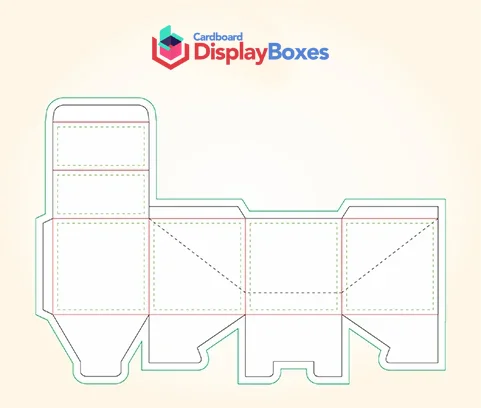

The cut line is the outline that marks where your custom packaging will be trimmed. It is typically represented by a solid black line in your artwork file.

The bleed line is the area extending beyond the cut line, usually marked with a green line in your artwork. Typically, a 1/8 inch (0.125") bleed is required to prevent any unwanted white borders.
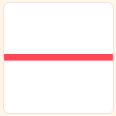
The crease line, marked by red lines in your artwork, indicates where the box will be folded during production.
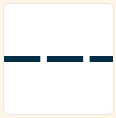
Perforation lines, shown as dotted black lines, indicate where the box will have small, evenly spaced holes for easy tearing or separation. These are often used for tear-away sections.

The safety margin, marked by dotted green lines, is the area around the cut line where important elements (such as text, logos, or graphics) should be kept clear.
Need help from a Cardboard Display Boxes expert? We’re here! Choose from a variety of custom display box options, including eco-friendly and premium finishes, all designed to make your products stand out. With our fast turnaround, your packaging is ready without delay.






Cardboard Display Boxes offers premium custom display packaging solutions designed to boost product visibility, branding, and retail sales worldwide.
Copyright 2026, Cardboard Display Boxes. All Rights Reserved.