Retail environments are highly competitive, fast-paced, and visually driven. Consumers make purchasing decisions within seconds, often influenced more by product presentation than by detailed product comparison. In this environment, display packaging plays a critical role in how products are seen, perceived, and selected.
Display packaging is not simply a container, it is a retail marketing tool engineered to attract attention, communicate brand value, and encourage purchase behavior at the point of sale. It bridges the gap between packaging logistics and visual merchandising, ensuring products are not only protected and transported but also showcased effectively in retail settings.
For businesses, investing in professionally designed retail display packaging can significantly impact:
- Product visibility and shelf presence
- Brand recognition and perception
- Customer engagement
- Merchandising efficiency
- Sales performance
From small countertop units to large freestanding promotional displays, display packaging helps brands control how their products appear in-store. For retailers and product manufacturers alike, it is one of the most direct and measurable ways to influence buying decisions.
This guide explains everything businesses need to know about display packaging including types, materials, customization, retail impact, and how to choose the right solution for your products.
What Is Display Packaging?
Display packaging refers to packaging specifically designed to present products attractively and accessibly within retail environments. Unlike standard packaging, which primarily protects products during shipping and storage, display packaging is engineered for in-store presentation and merchandising.
Its core purpose is to showcase products in a way that:
- Maximizes visibility
- Supports brand messaging
- Encourages interaction
- Simplifies retail stocking
- Drives impulse purchases
Display Packaging vs Regular Packaging
Traditional packaging focuses on containment and protection. Display packaging, by contrast, integrates structural design, branding, and retail functionality.
| Feature |
Regular Packaging |
Display Packaging |
| Main goal |
Protection and transport |
Product presentation and promotion |
| Retail readiness |
Requires unpacking |
Ready for shelf or floor placement |
| Visual design |
Minimal branding |
High-impact graphics |
| Structure |
Closed or sealed |
Open-access or display format |
| Marketing role |
Limited |
Active merchandising tool |
Display packaging essentially turns packaging into a sales and marketing asset, functioning as a silent brand ambassador on the retail floor.
Types of Display Packaging
Retail environments require different display structures depending on product size, location, and merchandising goals. Below are the most widely used display packaging formats in modern retail.
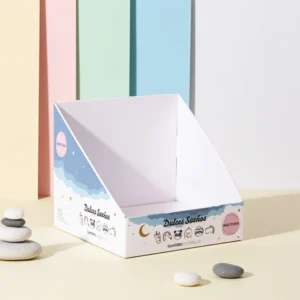
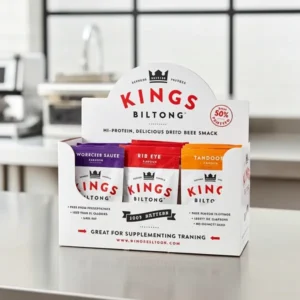
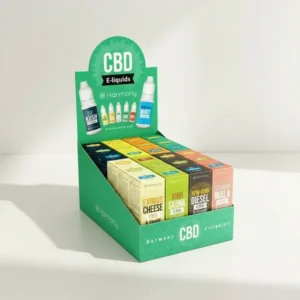
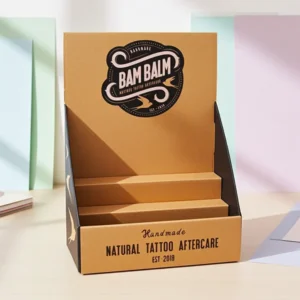
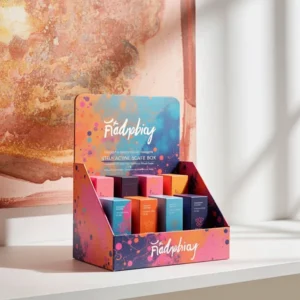
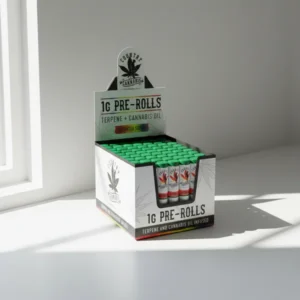
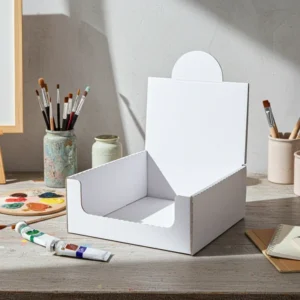
Countertop Displays
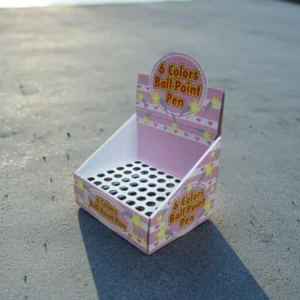
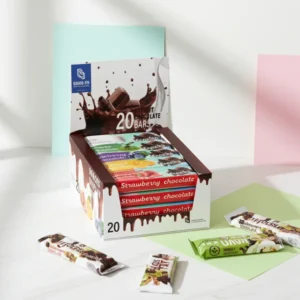
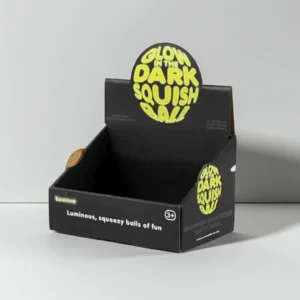
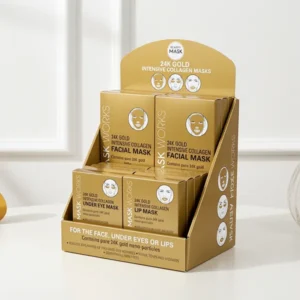
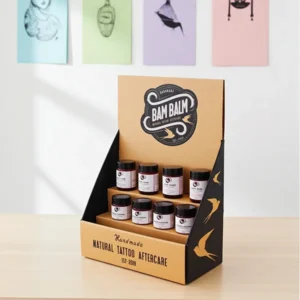
Countertop displays are compact units placed near checkout counters or service desks. They are ideal for small products and impulse purchases.
Common uses:
- Cosmetics and beauty items
- Supplements and health products
- Confectionery and snacks
- Travel-size goods
These displays work because they target customers during final purchase decisions, increasing add-on sales.
Floor Display Units
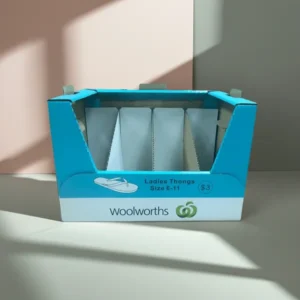
Floor displays are freestanding structures designed to hold large product quantities. They are typically placed in high-traffic store areas or promotional zones.
Common uses:
- Seasonal promotions
- Product launches
- Bulk merchandise
- Retail campaigns
Floor display units provide maximum brand exposure and are highly effective for promotional merchandising.
POP Displays (Point of Purchase)
POP displays are designed to capture attention exactly where purchase decisions occur. They can be placed on shelves, near aisles, or in promotional sections.
Common uses:
- Limited-time offers
- Discounted items
- New product introductions
POP displays are one of the most powerful tools in retail marketing because they directly influence buying behavior at the decision point.
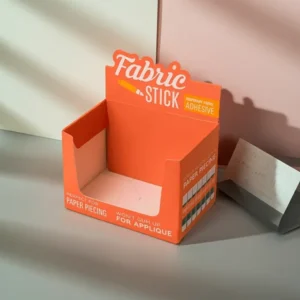
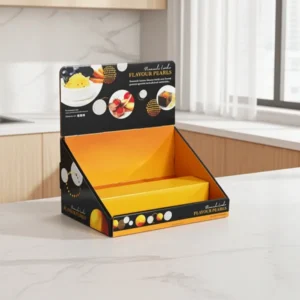
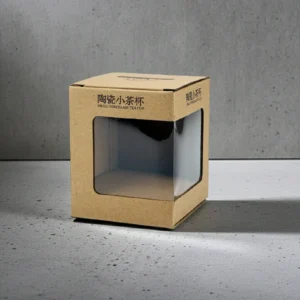
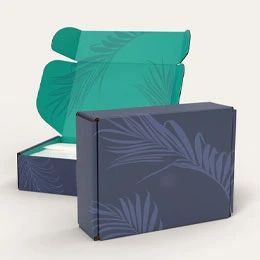
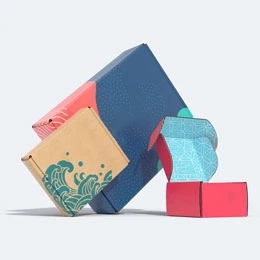
Retail Display Boxes
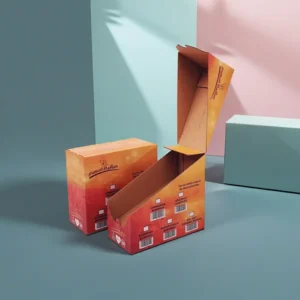
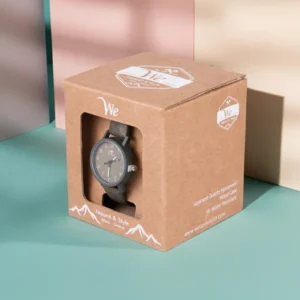
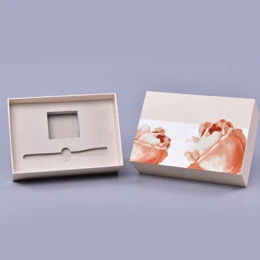
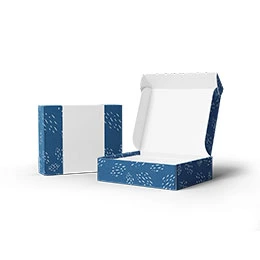
Retail display boxes are compact packaging units that open into product trays or presentation boxes. They are widely used for organized shelf presentation.
Common uses:
- Electronics accessories
- Cosmetic collections
- Packaged snacks
- Small consumer goods
These product display boxes help maintain product organization while reinforcing brand identity.
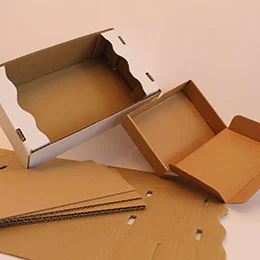
Corrugated Displays
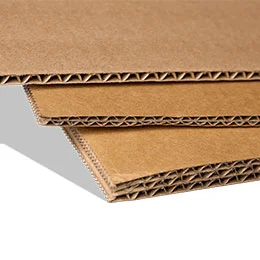
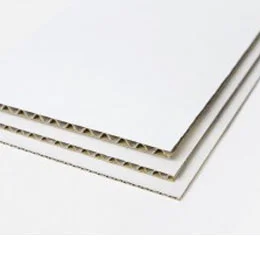
Corrugated displays are made from reinforced cardboard and provide strong structural support. They are commonly used for heavier items or high-volume merchandising.
Advantages:
- Excellent durability
- Lightweight but strong
- Cost-effective for large displays
- Easy to customize
Corrugated solutions dominate the market for cardboard display packaging due to their strength and affordability.
Custom Branded Displays
Custom branded displays are fully tailored retail structures designed around specific brand campaigns or product lines.
Common uses:
- Premium product presentation
- Retail brand storytelling
- Experiential merchandising
- Multi-product showcases
These displays provide complete control over visual identity and shopper experience.
Key Benefits of Display Packaging
Businesses invest in display packaging because it delivers measurable commercial advantages.
Enhanced Product Visibility
Strategically positioned displays ensure products stand out among competing items. Visibility directly affects customer awareness and selection.
Stronger Brand Identity
Branded display packaging reinforces logos, colors, and messaging at the point of purchase, improving recognition and recall.
Improved Retail Organization
Structured displays keep products arranged neatly, improving store presentation and simplifying restocking.
Increased Customer Engagement
Accessible product placement encourages interaction, which increases purchase likelihood.
Higher Sales Performance
Research consistently shows that effective retail display packaging increases impulse purchases and improves conversion rates.
Display packaging transforms passive shelf space into active merchandising territory.
Materials Used in Display Packaging
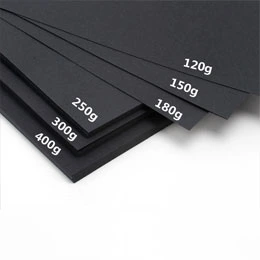
Material selection affects durability, appearance, sustainability, and cost. Packaging manufacturers choose materials based on product weight, retail environment, and branding goals.
Corrugated Cardboard
The most widely used material for display packaging due to strength and flexibility.
Best for: floor displays, heavy products, large retail units.
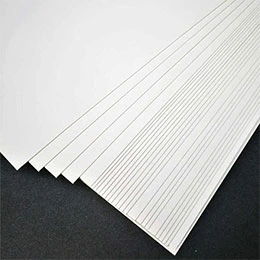
Paperboard
Lightweight material suitable for small product displays and high-quality printing.
Best for: countertop displays, cosmetic packaging, lightweight goods.
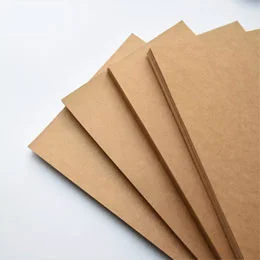
Kraft Board
Natural-looking material popular with eco-conscious brands.
Best for: sustainable retail packaging and organic product lines.
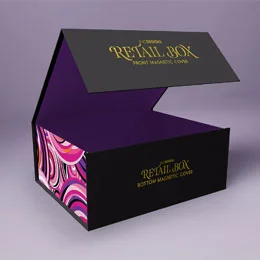
Rigid Board
Premium material offering high durability and luxury presentation.
Best for: high-end retail displays and luxury product packaging.
Material selection must balance structural performance, visual quality, and manufacturing efficiency.
Custom Display Packaging Solutions
Customization is what transforms basic packaging into powerful retail marketing infrastructure.
Custom display packaging can be tailored in:
Size and Dimensions
Designed to fit product shape, retail space, and merchandising layout.
Structural Design
Engineered for weight capacity, accessibility, and stability.
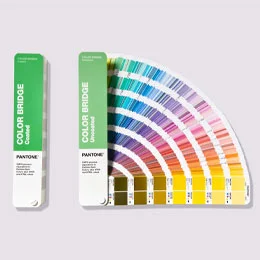
Printing and Branding
High-resolution graphics communicate brand identity clearly.
Finishing Options
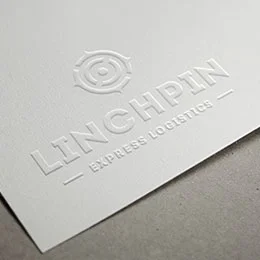
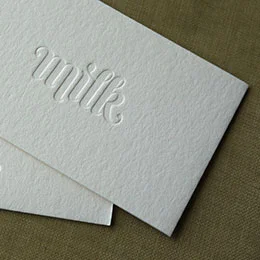
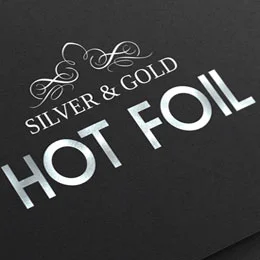
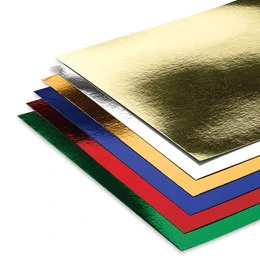
Includes lamination, embossing, foil stamping, and specialty coatings.
Customization ensures packaging aligns with brand strategy, retail environment, and consumer interaction patterns.
Industries That Use Display Packaging
Display packaging is used across virtually every retail sector.
Cosmetics and Beauty
For makeup, skincare, and fragrance presentation.
Food and Beverage
For snacks, confectionery, and packaged foods.
Consumer Electronics
For accessories, gadgets, and devices.
Health and Wellness
For supplements and personal care products.
Retail Promotions
For seasonal campaigns and product launches.
Each industry uses display packaging to enhance product presentation and merchandising effectiveness.
How Display Packaging Increases Retail Sales
Display packaging directly influences purchasing decisions through visual and psychological triggers.
Visual Attention
Customers naturally gravitate toward well-organized, visually striking displays.
Perceived Value
Premium display presentation increases perceived product quality.
Accessibility
Easy product access encourages handling and evaluation.
Impulse Buying Behavior
Strategic placement near high-traffic zones drives spontaneous purchases.
Effective display packaging aligns with consumer psychology and visual merchandising principles.
Design Considerations for Effective Display Packaging
Professional display packaging design must address both functionality and branding.
Key considerations include:
- Product weight and dimensions
- Retail shelf or floor space
- Customer interaction patterns
- Structural stability
- Visual hierarchy
- Brand consistency
Successful packaging design integrates engineering precision with marketing strategy.
Sustainable and Eco-Friendly Display Packaging
Sustainability is increasingly important to retailers and consumers.
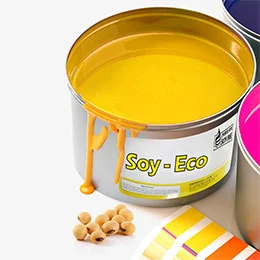
Eco-friendly display packaging options include:
- Recyclable cardboard display packaging
- Biodegradable materials
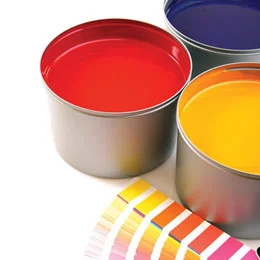
- Water-based inks
- Reduced material usage
Sustainable packaging enhances brand reputation and supports environmental responsibility.
How to Choose the Right Display Packaging
Businesses should evaluate several factors before selecting display packaging:
- Product size and weight
- Retail placement location
- Brand positioning
- Order volume
- Budget requirements
- Sustainability goals
Choosing the right solution requires balancing marketing impact, structural performance, and cost efficiency.
Why Businesses Choose Custom Display Packaging Manufacturers
Working with specialized packaging manufacturers provides critical advantages.
Engineering Expertise
Professionals design structures that perform reliably in real retail conditions.
Efficient Production
Optimized manufacturing reduces waste and cost.
Branding Integration
Design aligns packaging with marketing strategy.
Scalability
Manufacturers support bulk production and consistent quality.
Professional suppliers deliver packaging solutions that function as strategic retail assets.