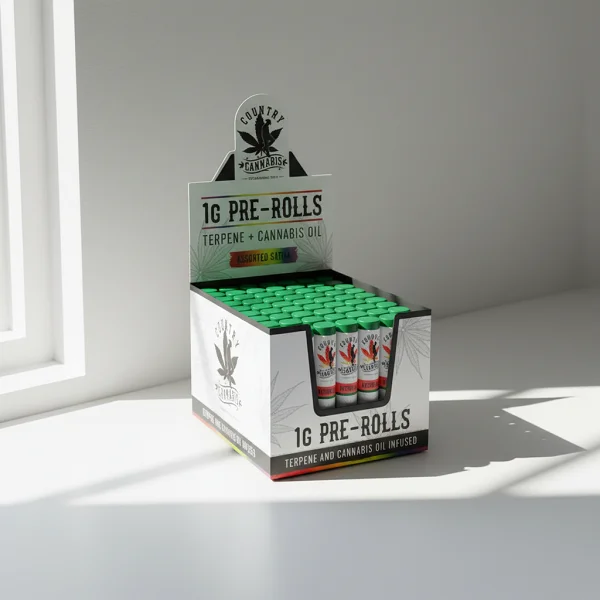
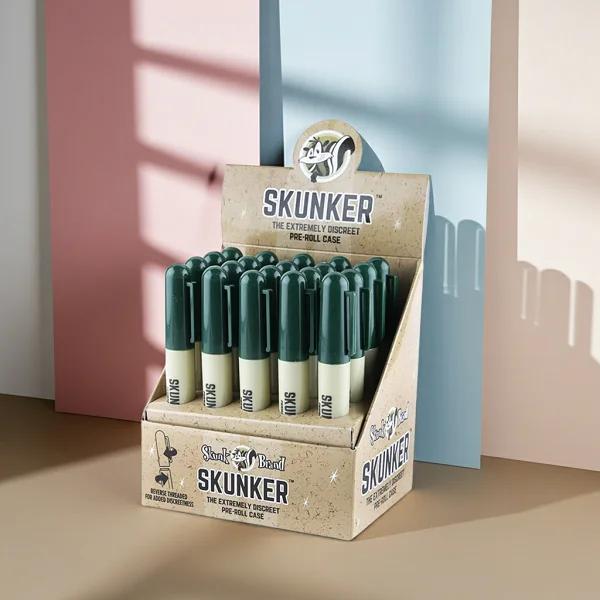
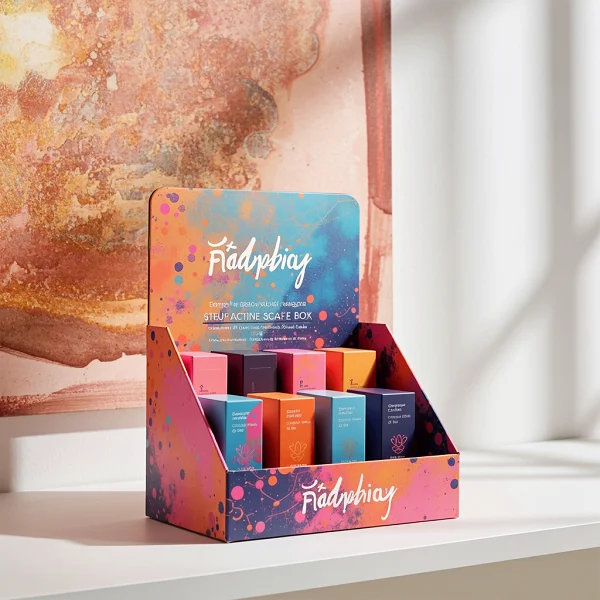
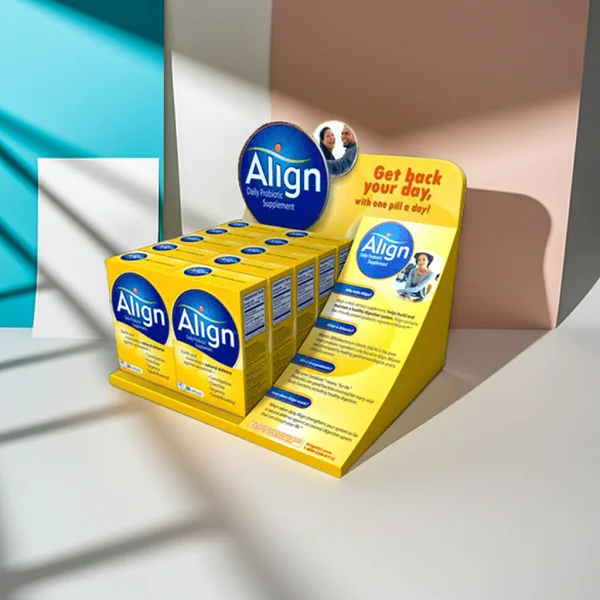
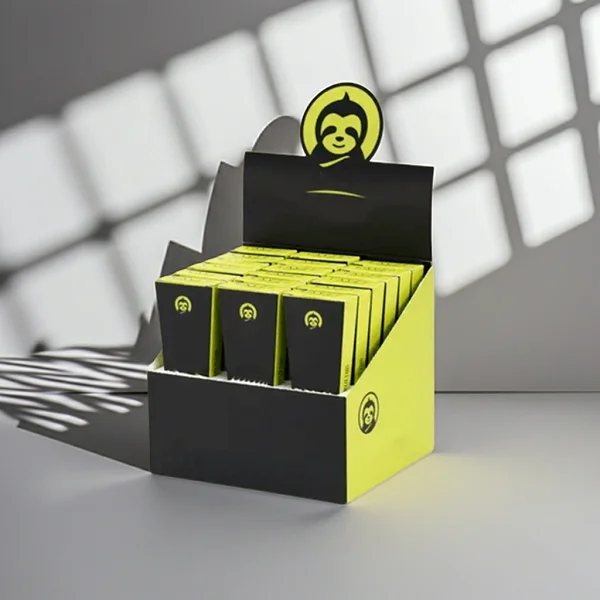
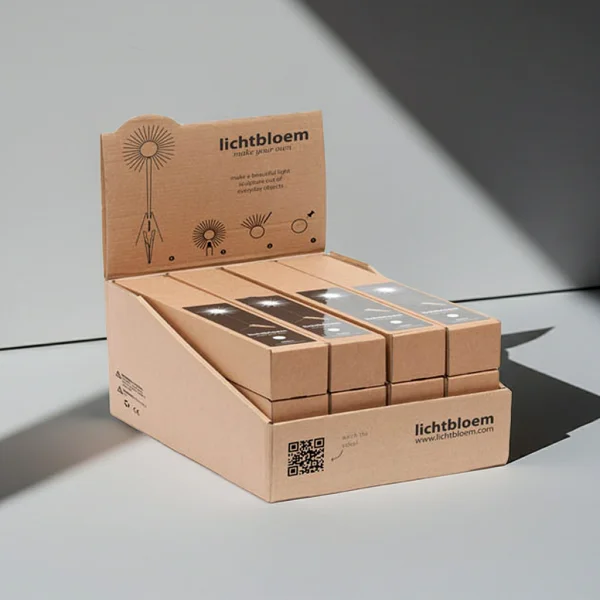
In competitive retail environments, product visibility is no longer optional it is a strategic requirement. Brands must compete not only on quality and price but also on how effectively their products attract attention, communicate value, and influence purchasing decisions at the shelf.
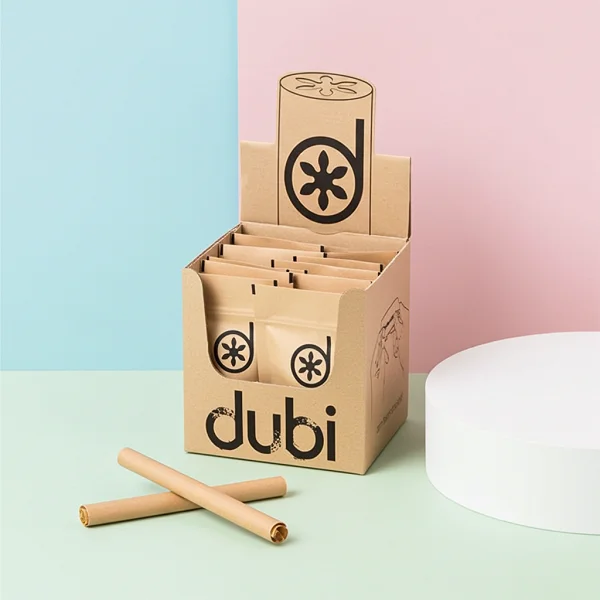
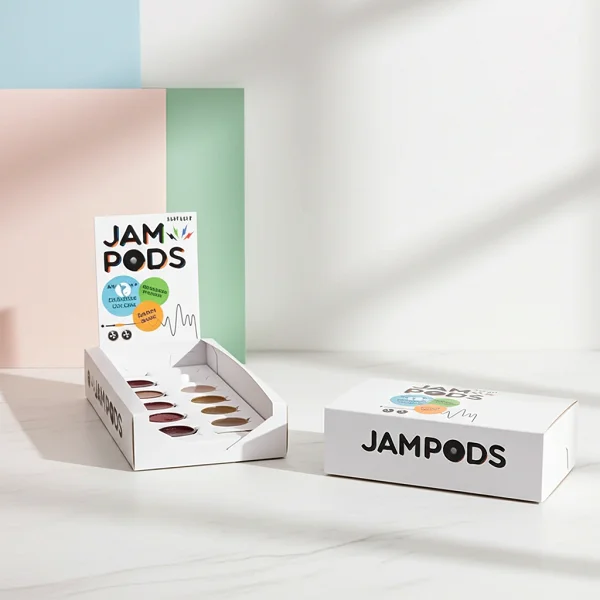
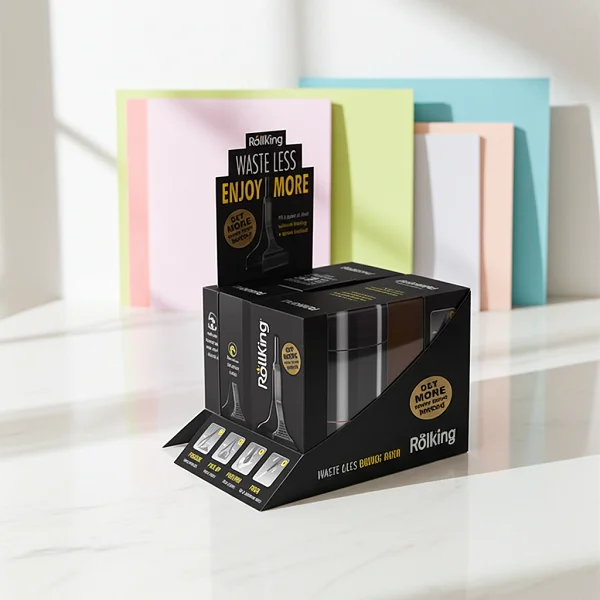
Retail display boxes play a central role in this process. They are purpose-built packaging structures designed to present products attractively, organize merchandise efficiently, and maximize brand exposure in high-traffic retail spaces. From checkout counters and aisle displays to promotional endcaps, these merchandising tools transform ordinary packaging into a powerful marketing asset.
Unlike standard shipping or protective packaging, retail display boxes are engineered to sell. They combine structural design, visual branding, and consumer psychology to enhance retail product presentation and drive impulse buying behavior. Well-designed display packaging improves product accessibility, communicates brand identity instantly, and supports retail merchandising strategies across various store formats.
For product manufacturers, retailers, and packaging buyers, understanding the strategic role of retail display boxes is essential for improving in-store marketing performance. This comprehensive guide explains everything you need to know — from types and materials to customization, manufacturing, sustainability, and cost considerations — so you can make informed purchasing decisions and implement high-impact display solutions.
What Are Retail Display Boxes?
Retail display boxes are specialized packaging structures designed to showcase products in retail environments while simultaneously serving as a promotional and organizational tool. They are commonly used in physical stores to present items in an attractive, accessible, and brand-focused manner.
Core Purpose
Retail display boxes serve three primary functions:
- Product presentation Making products visible and accessible.
- Brand communication Delivering visual marketing messages.
- Merchandising efficiency Organizing inventory in retail spaces.
These boxes are typically placed in high-visibility areas such as:
- Checkout counters
- Retail shelves
- Endcap displays
- Promotional zones
- Temporary sales installations
How They Differ from Standard Packaging
Standard packaging primarily protects products during storage and transport. Retail display boxes, by contrast, are designed for consumer interaction and visual appeal. Their structural and graphic elements are optimized for marketing rather than logistics.
Key differences include:
| Feature |
Standard Packaging |
Retail Display Boxes |
| Purpose |
Protection & transport |
Product promotion & visibility |
| Design focus |
Durability |
Presentation + branding |
| Consumer interaction |
Minimal |
High |
| Structural form |
Closed containers |
Open or semi-open display |
| Print importance |
Secondary |
Primary marketing element |
Role in Retail Marketing
Retail display boxes function as point-of-purchase (POP) marketing tools. They directly influence buying decisions by:
- Highlighting product benefits
- Creating visual differentiation
- Supporting promotional campaigns
- Encouraging impulse purchases
In modern retail strategy, display packaging is considered an extension of brand advertising operating directly at the moment of purchase.
Types of Retail Display Boxes
Retail display boxes come in various structural designs tailored to different merchandising objectives, store layouts, and product categories. Choosing the correct display format is essential for maximizing visibility and retail efficiency.
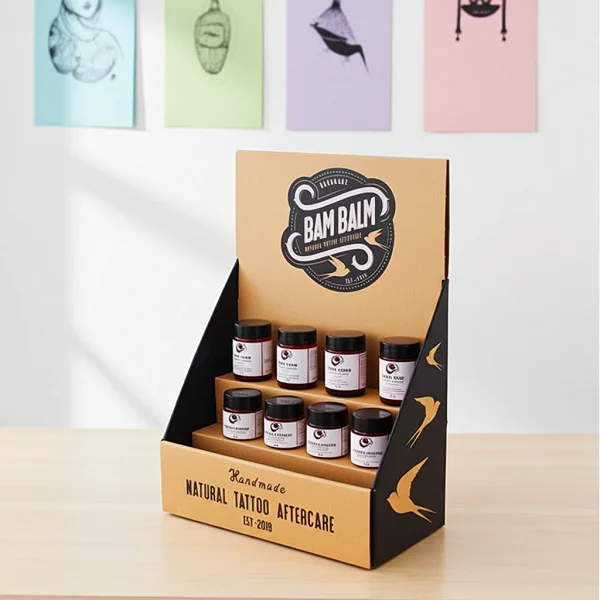
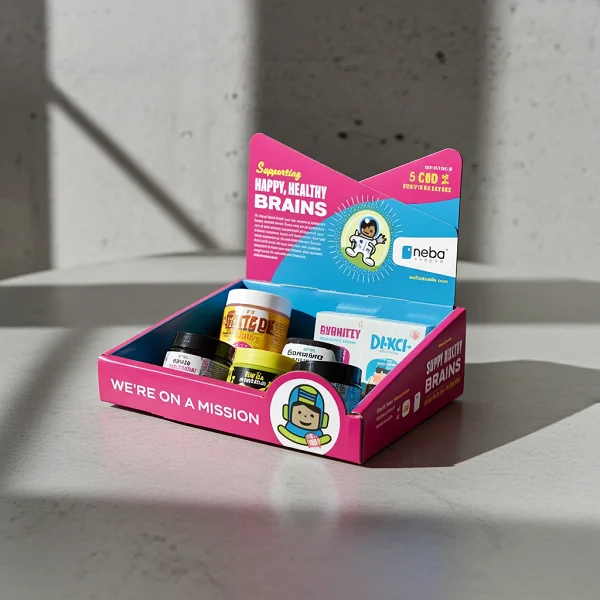
Counter Display Boxes
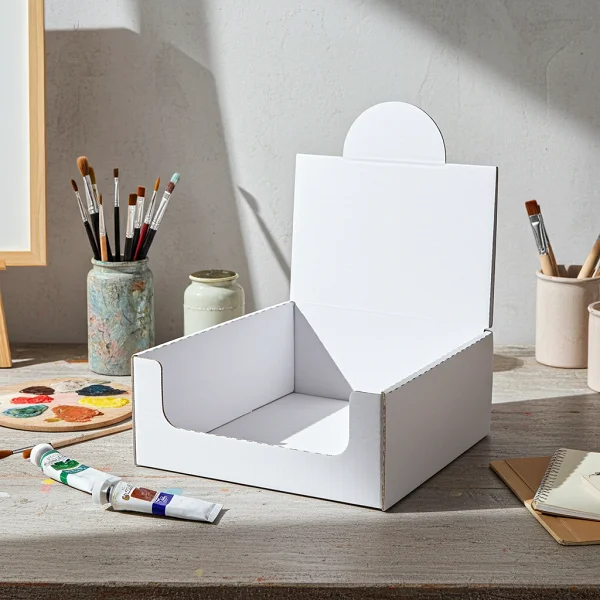
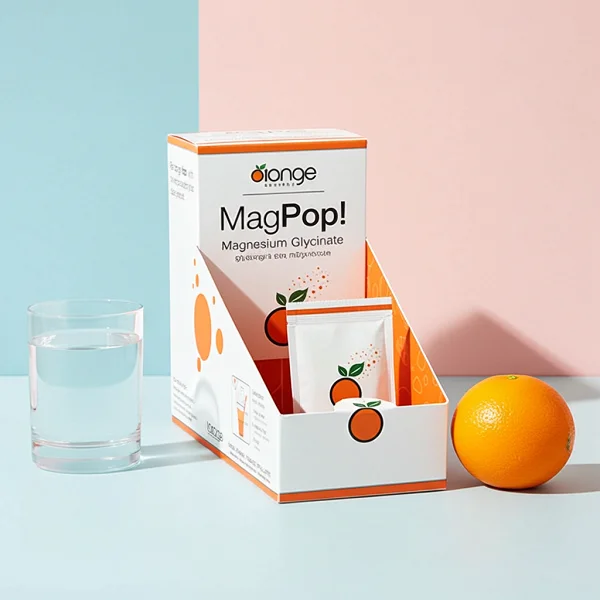
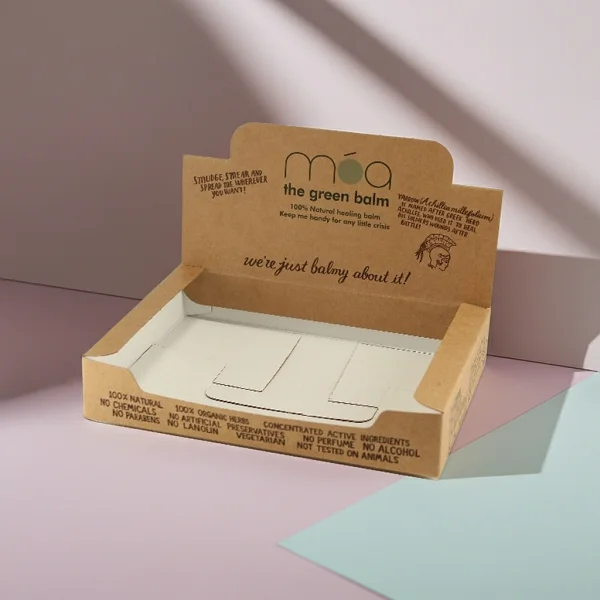
Designed for placement on checkout counters or small retail surfaces, these compact displays are ideal for impulse-purchase items such as cosmetics, accessories, and small consumer goods.
Best for:
- High-margin small products
- Promotional offers
- Limited space retail environments
Floor Display Units
Larger free-standing structures designed to hold significant product quantities. Floor displays are often used for promotional campaigns or seasonal product launches.
Advantages:
- Maximum visibility
- High storage capacity
- Brand storytelling opportunities
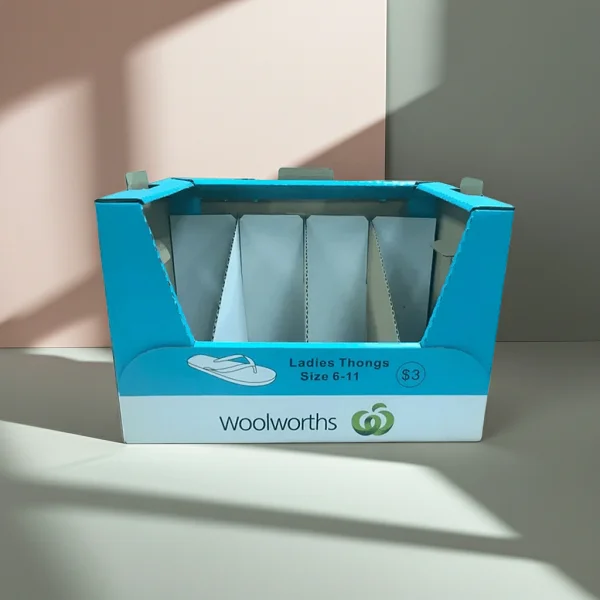
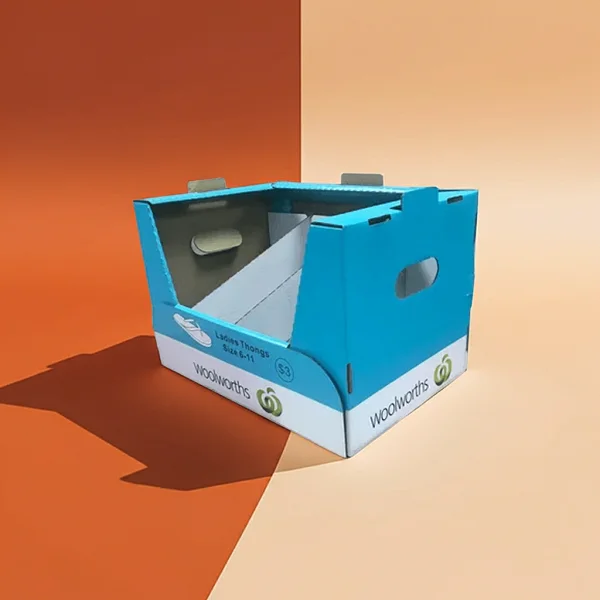
Shelf-Ready Display Boxes (SRP)
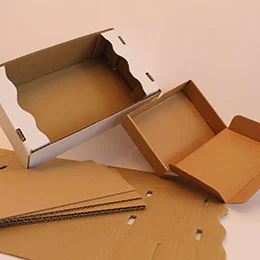
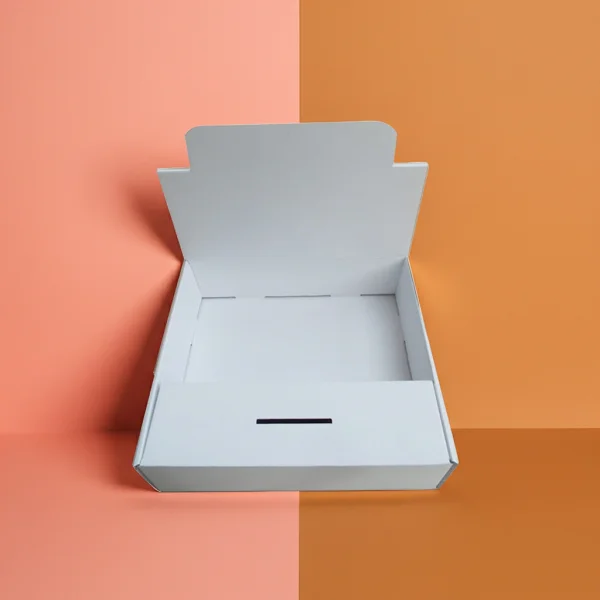
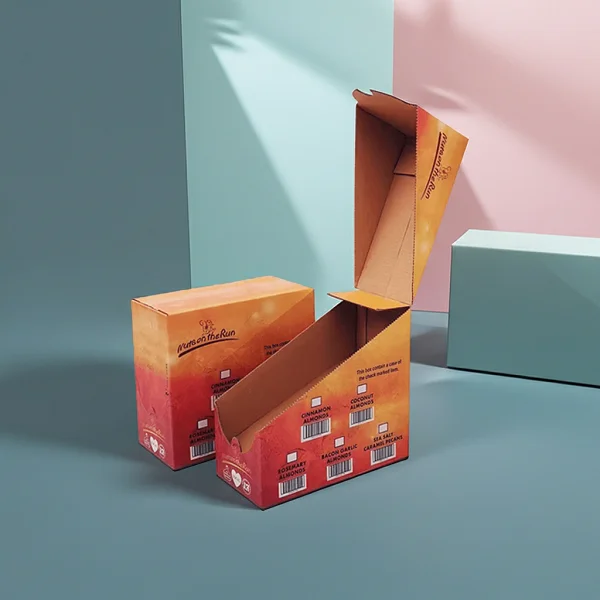
These displays are shipped pre-packed and ready to place directly on retail shelves. Retail staff simply remove a perforated lid to reveal a merchandising display.
Benefits:
- Faster restocking
- Reduced labor costs
- Improved shelf organization
Dump Bins
Open containers used for bulk product presentation. Common for promotional or discounted items.
Best for:
- Clearance merchandise
- High-volume items
- Temporary promotions
Endcap Displays
Placed at the end of retail aisles to capture shopper attention. These displays often support major marketing campaigns or product launches.
Hanging Display Boxes
Designed with hooks or hang tabs for pegboard display systems. Frequently used for lightweight items.
Tiered Displays
Multi-level structures that enhance product visibility and maximize vertical merchandising space.
Materials Used in Retail Display Boxes
Material selection determines the durability, cost, sustainability, and visual impact of retail display packaging. The choice depends on product weight, retail environment, and branding requirements.
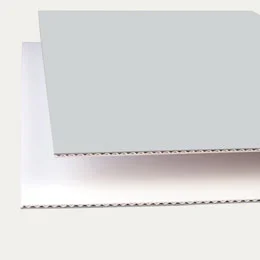
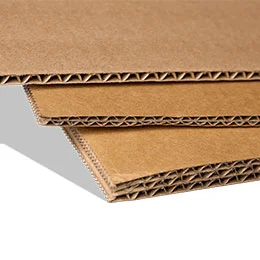
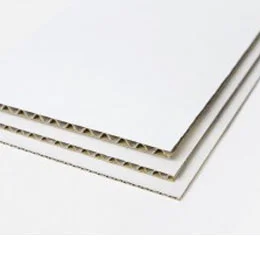
Corrugated Cardboard
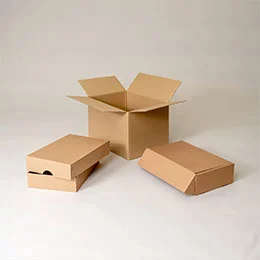
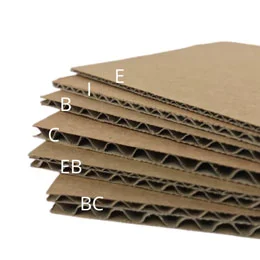
The most widely used material for retail display boxes. It offers excellent strength-to-weight ratio and cost efficiency.
Advantages:
- High structural integrity
- Lightweight
- Fully recyclable
- Suitable for large displays
Paperboard / Folding Carton
Common for lightweight products and premium retail presentation.
Benefits:
- Smooth printing surface
- Excellent visual quality
- Ideal for detailed graphics
Rigid Board
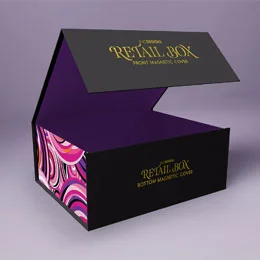
Used for luxury display packaging where premium appearance is essential.
Sustainable Materials
Increasingly important for environmentally responsible brands. Options include:
- Recycled fiberboard
- FSC-certified paper
- Biodegradable coatings
- Plant-based inks
Custom Retail Display Boxes and Printing Options
Customization transforms display packaging into a powerful brand communication tool. Structural design and visual printing must work together to create a cohesive merchandising experience.
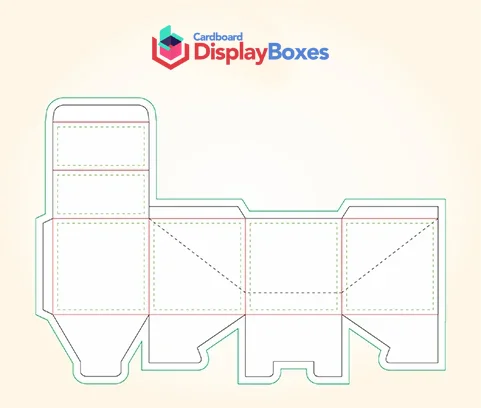
Structural Customization
Brands can tailor display boxes based on:
- Product dimensions
- Retail placement
- Load capacity
- Assembly requirements
- Consumer interaction
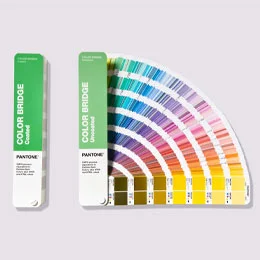
Printing Methods
Offset Printing
High-resolution graphics and precise color reproduction.
Digital Printing
Cost-effective for short runs and rapid production.
Flexographic Printing
Efficient for large production volumes.
Finishing Techniques
Finishing enhances visual impact and brand perception.
- Gloss coating
- Matte lamination
- UV spot finishing
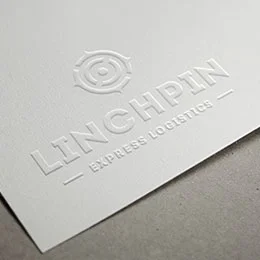
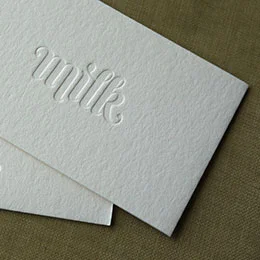
- Embossing
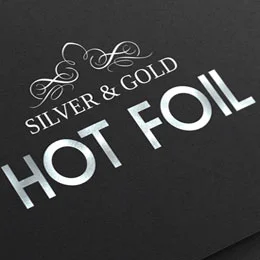
- Foil stamping
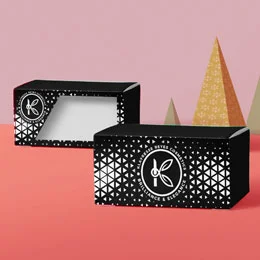
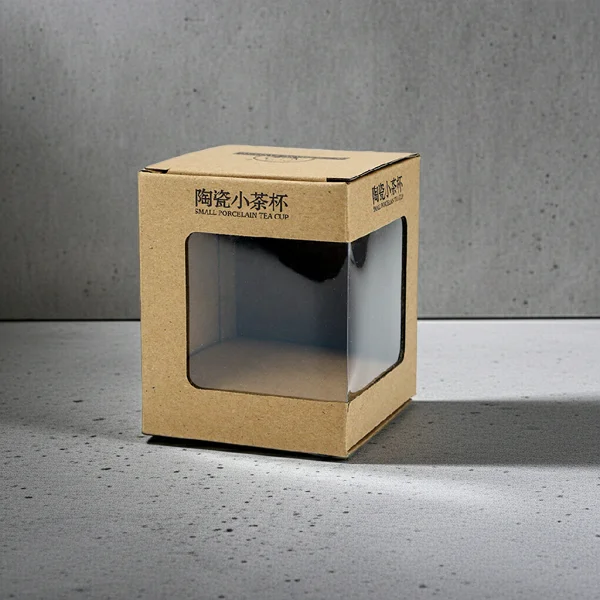
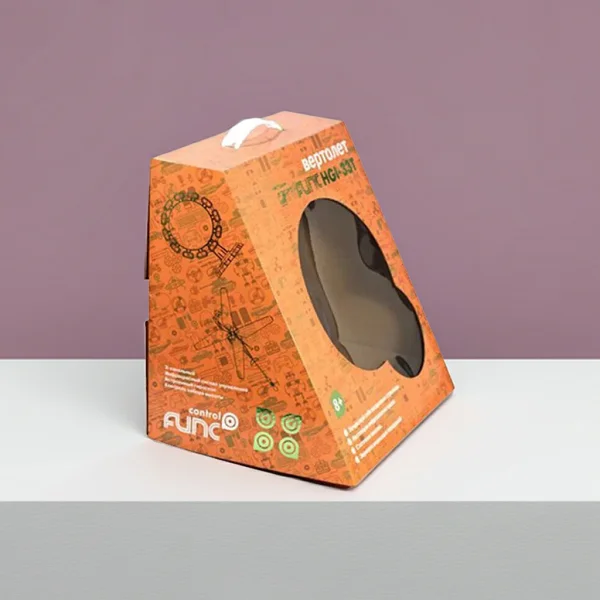
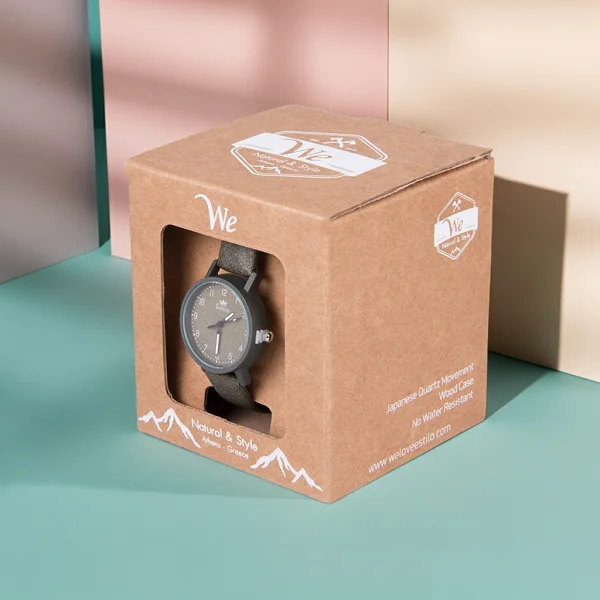
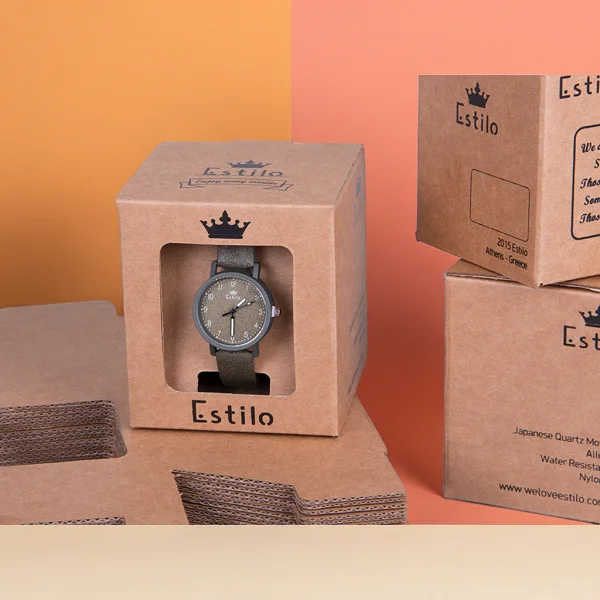
- Die-cut windows
These techniques create tactile and visual differentiation that attracts consumer attention.
Benefits of Using Retail Display Boxes
Retail display packaging delivers measurable commercial advantages across branding, sales performance, and retail operations.
Increased Product Visibility
Strategic placement and eye-catching design improve product discoverability.
Stronger Brand Identity
Custom graphics reinforce brand recognition and messaging.
Improved Retail Organization
Displays streamline merchandising and inventory management.
Higher Impulse Purchases
Well-positioned displays influence spontaneous buying decisions.
Promotional Flexibility
Displays support seasonal campaigns, product launches, and limited offers.
Enhanced Consumer Experience
Organized and accessible presentation improves shopping convenience.
Retail Display Boxes for Different Industries
Display packaging serves diverse sectors with unique merchandising requirements.
Food and Beverage
Used for snacks, confectionery, and beverage promotions. Must meet hygiene and durability standards.
Cosmetics and Beauty
Focus on premium aesthetics and brand storytelling.
Electronics
Require secure structural design and informative graphics.
Pharmaceuticals
Emphasize compliance, organization, and product accessibility.
Toys and Consumer Goods
Bright visuals and interactive structures enhance engagement.
Sustainable Retail Display Packaging Solutions
Environmental responsibility is a growing priority in retail packaging procurement.
Recyclable Materials
Corrugated and paperboard displays can be fully recycled after use.
Biodegradable Components
Eco-friendly adhesives and coatings reduce environmental impact.
Lightweight Engineering
Material optimization reduces shipping emissions.
Responsible Forestry Certifications
Ensures sustainable raw material sourcing.
Sustainable retail display boxes support corporate responsibility goals while maintaining merchandising performance.
How to Choose the Right Retail Display Boxes
Selecting the correct display packaging requires careful evaluation of functional and marketing factors.
Product Characteristics
Consider weight, fragility, and dimensions.
Retail Environment
Evaluate store layout, traffic flow, and display space.
Branding Requirements
Determine graphic complexity and visual impact.
Distribution Logistics
Assess shipping and storage considerations.
Budget Constraints
Balance customization with cost efficiency.
Retail Display Box Manufacturing Process
Professional manufacturing follows a structured workflow to ensure performance and quality.
Concept Development
Understanding brand objectives and retail strategy.
Structural Design Engineering
Creating load-bearing and functional designs.
Prototyping
Testing physical samples before mass production.
Material Selection
Matching durability with sustainability goals.
Printing and Finishing
Applying graphics and visual enhancements.
Mass Production
Precision manufacturing using die-cutting and assembly systems.
Cost Factors of Retail Display Boxes
Pricing varies based on several key variables.
Material Type
Premium materials increase cost.
Size and Structure
Larger or complex designs require more resources.
Printing Complexity
High-resolution graphics and specialty finishes raise production cost.
Order Volume
Bulk production reduces per-unit pricing.
Customization Level
Unique engineering increases development expenses.
Retail Display Packaging Trends
Retail display packaging continues to evolve with changing consumer behavior and technology.
Smart Displays
Integration of QR codes and interactive elements.
Minimalist Design
Clean aesthetics with strong brand focus.
Modular Structures
Flexible displays adaptable to multiple products.
Sustainable Innovation
Biodegradable materials and circular packaging systems.
Data-Driven Merchandising
Displays designed using shopper analytics.
Common Mistakes to Avoid When Designing Retail Display Boxes
Avoiding common design errors ensures effective merchandising performance.
Overloading Structure
Insufficient strength leads to collapse.
Poor Graphic Hierarchy
Unclear messaging reduces impact.
Ignoring Retail Space Constraints
Improper sizing limits placement.
Excessive Complexity
Difficult assembly increases retail labor.
Weak Branding
Inconsistent visual identity reduces recognition.