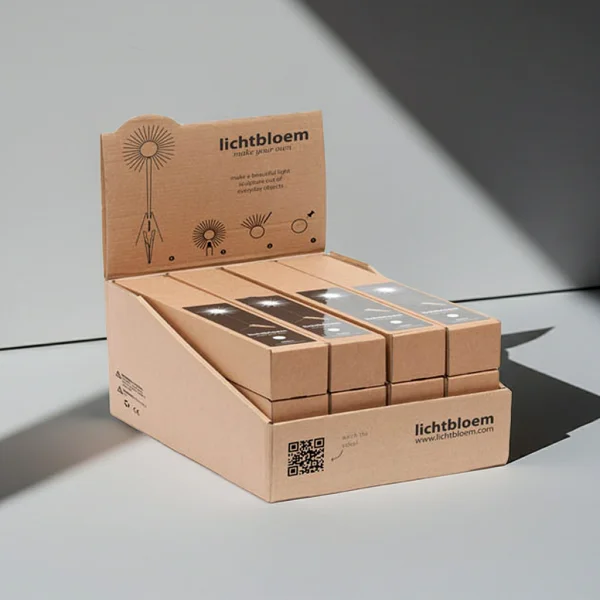
In modern retail environments, packaging does far more than protect products it communicates value, builds trust, and influences purchasing decisions. One of the most effective ways to combine product protection with visual appeal is through window display boxes. These packaging solutions allow customers to see the product before buying, enhancing confidence and improving shelf impact.
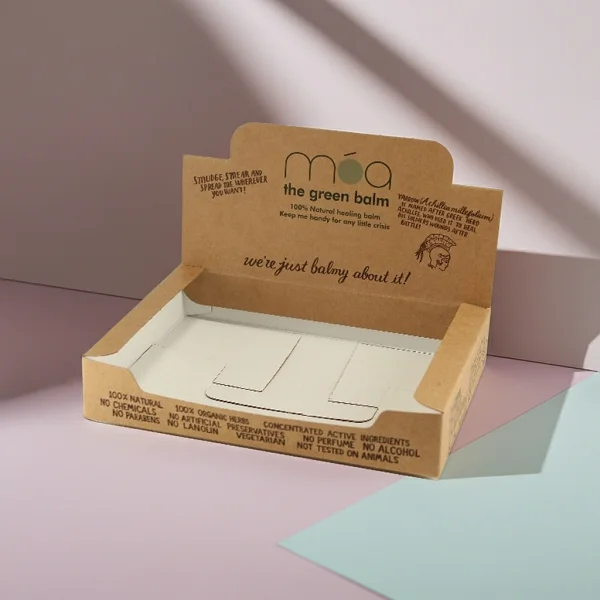
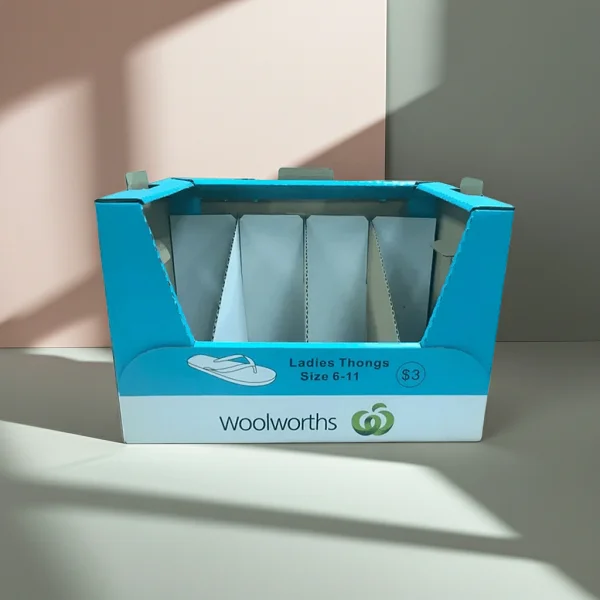
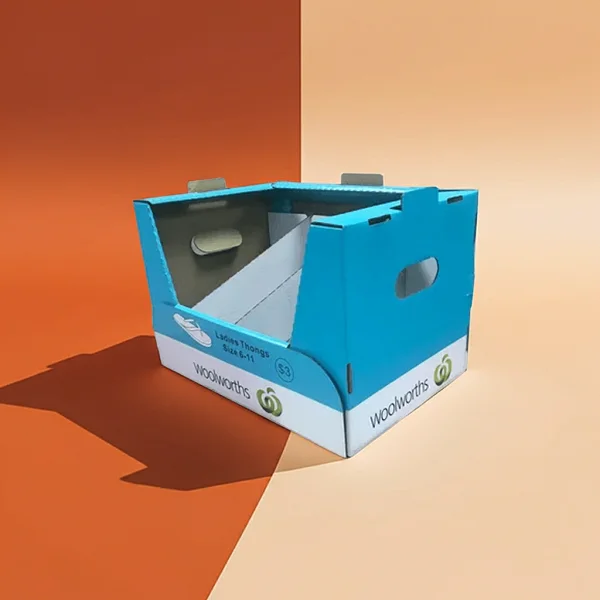
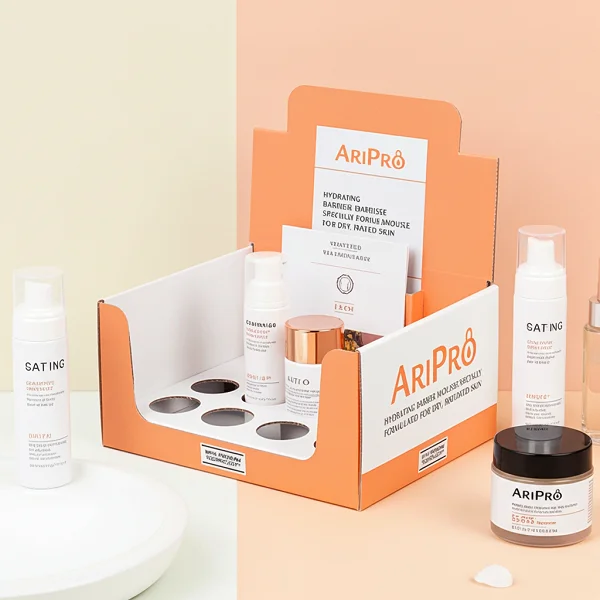
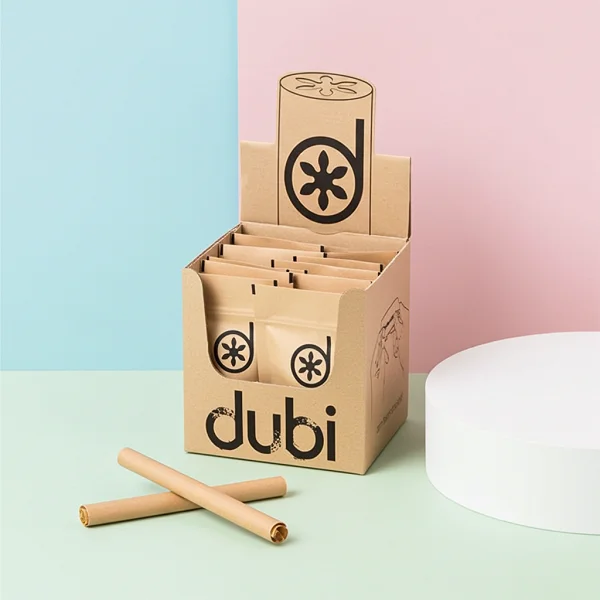
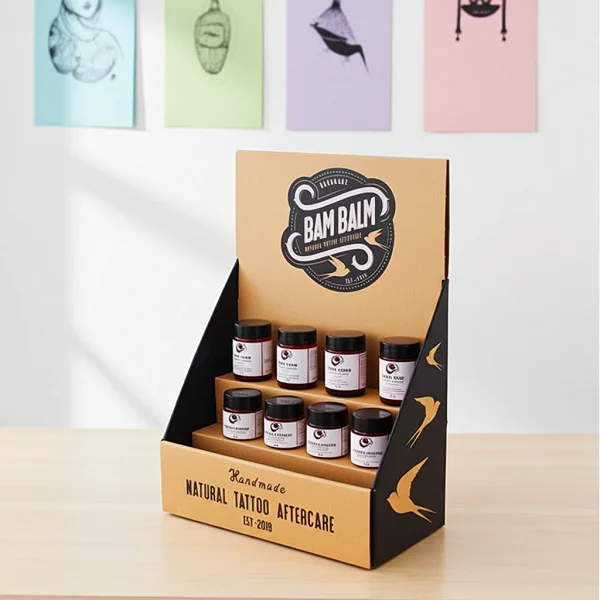
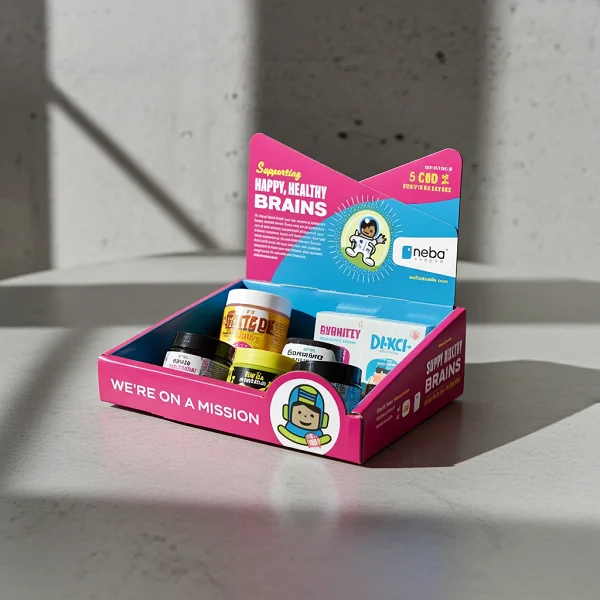
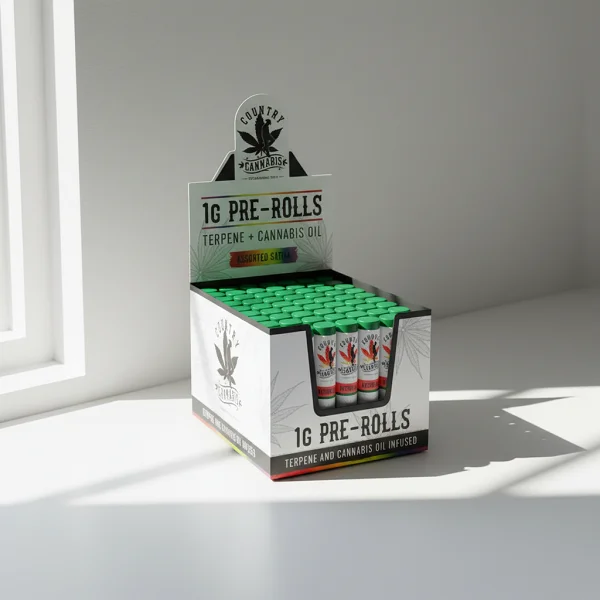
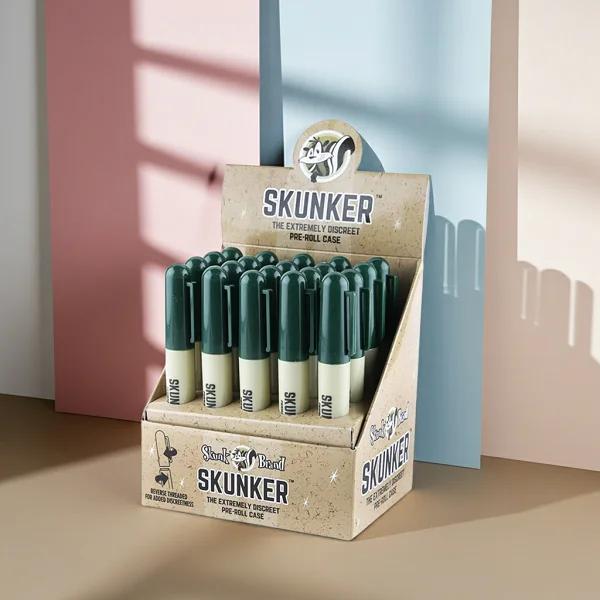
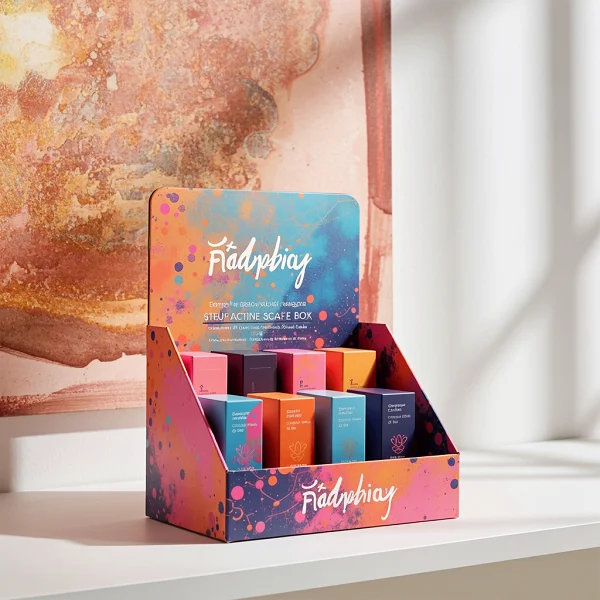
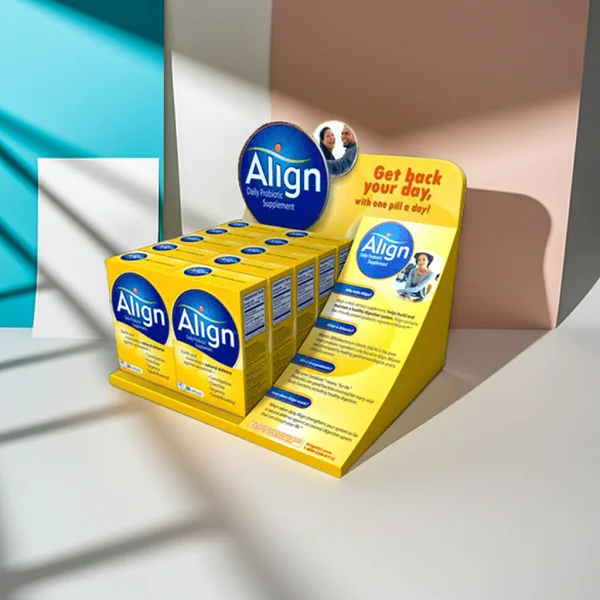
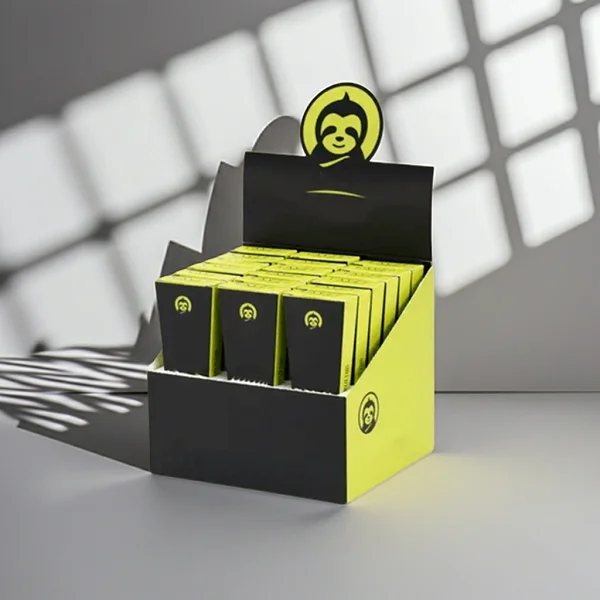
As part of broader Cardboard Display Boxes solutions used across retail merchandising, window packaging plays a key role in combining structural durability with visual transparency.
From cosmetics and bakery items to electronics and gift products, brands across industries use transparent display packaging to showcase quality while maintaining structural protection. This comprehensive guide explains everything business owners and packaging buyers need to know about custom window display boxes from materials and manufacturing to design strategies and cost considerations.
What Are Window Display Boxes?
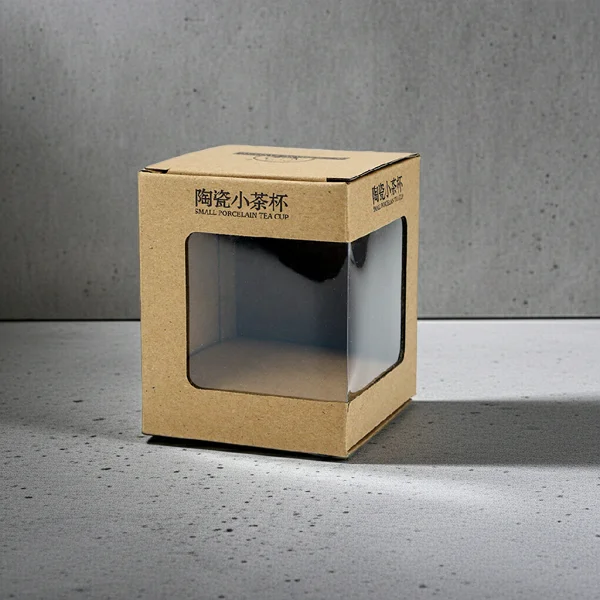
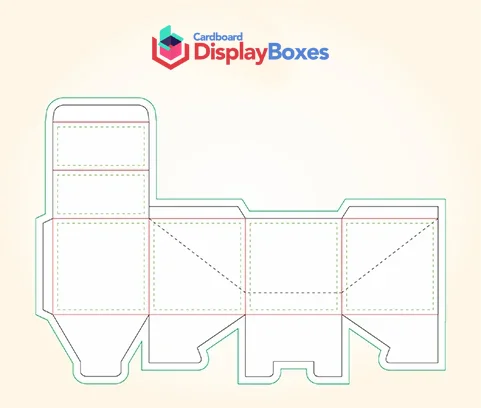
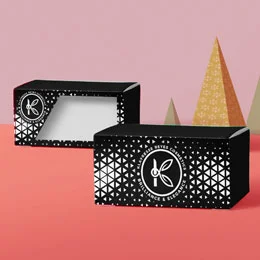
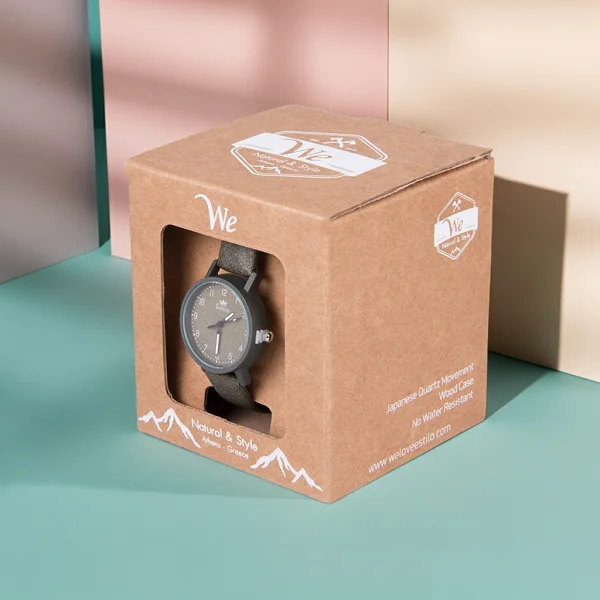
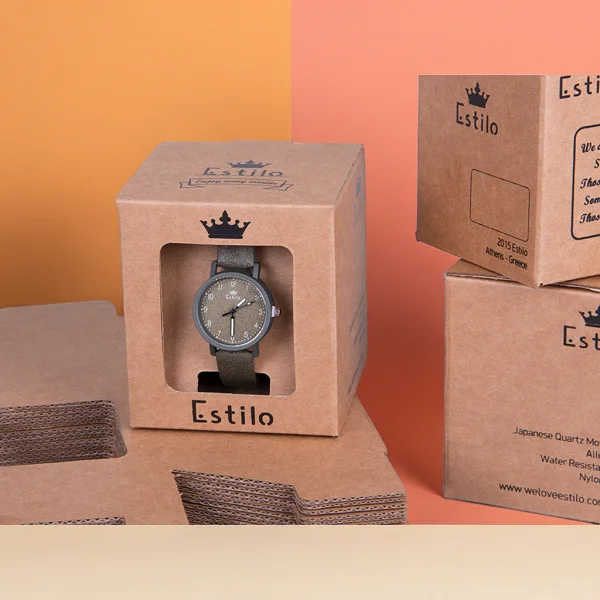
Window display boxes are packaging containers that include a transparent panel or cut-out section, allowing visibility of the product inside without opening the package.
These boxes typically feature:
- A die-cut opening on one or more sides
- A transparent film or plastic sheet covering the opening
- Structural packaging that supports and protects the product
They are often referred to as:
- Retail window packaging
- Die-cut window boxes
- Product visibility packaging
- Transparent display packaging
Their primary purpose is to balance product protection and presentation, enabling customers to evaluate the item visually before purchase.
Types of Window Display Boxes
Window display packaging comes in multiple structural styles depending on product shape, weight, and retail environment.
Standard Die-Cut Window Boxes
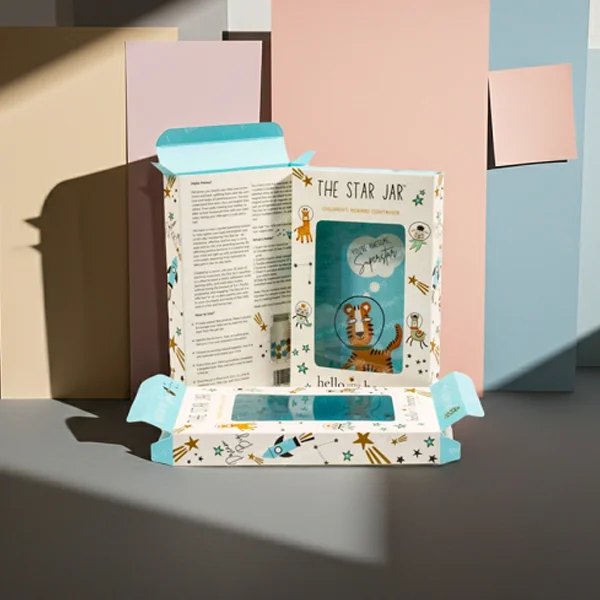
Feature a simple transparent window panel on the front. Common in cosmetics, toys, and food packaging.
Full-Face Window Boxes
Large transparent areas covering most of the box surface. Ideal for products where visual appeal drives sales.
Sleeve Window Boxes
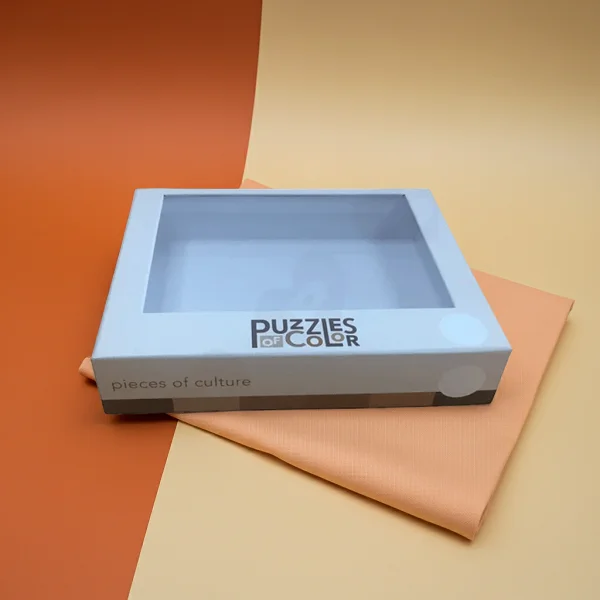
An outer sleeve with a window slides over an inner tray. Frequently used for premium and gift packaging.
Top Window Boxes
Window positioned on the top panel. Common in bakery and confectionery packaging.
Shaped Window Boxes
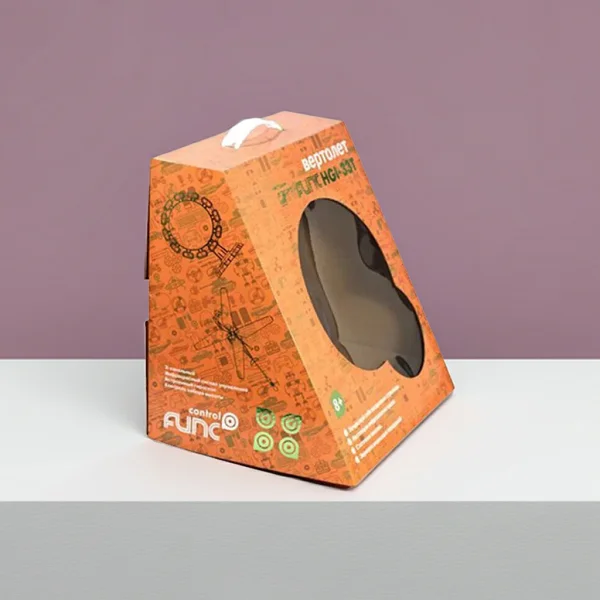
Custom die-cut windows in decorative or brand-specific shapes, such as logos or thematic outlines.
Hanging Window Boxes
Include a hang tab with a visible front window for retail display packaging racks.
Materials Used in Window Display Packaging
Material selection affects durability, sustainability, and visual presentation.
Box Materials
- Paperboard Lightweight, cost-effective, and printable
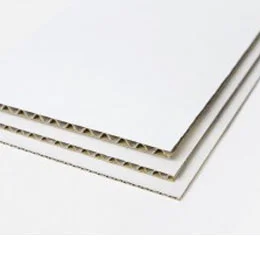
- Corrugated cardboard Stronger, suitable for heavier products
- Rigid board Premium packaging for luxury items
Window Film Materials
- PVC (Polyvinyl Chloride) Clear and durable but less eco-friendly
- PET (Polyethylene Terephthalate) Strong and recyclable
- PLA (Plant-based plastic) Biodegradable alternative
- Cellulose film Compostable and sustainable
Adhesives and Coatings
- Water-based adhesives
- UV coatings
- Lamination for durability
Material choice should align with product weight, environmental goals, and brand positioning.
Benefits of Window Display Boxes for Retail Products
Window packaging offers practical and marketing advantages.
Enhanced Product Visibility
Customers can inspect the product directly, increasing purchase confidence.
Strong Shelf Appeal
Visible products attract attention faster than fully enclosed packaging.
Reduced Return Rates
Customers know exactly what they are buying.
Brand Transparency
Visibility signals honesty and product quality.
Protection with Presentation
The product remains protected while still being showcased.
Versatility Across Industries
Suitable for food, cosmetics, electronics, apparel accessories, and more.
Customization Options for Window Display Boxes
Customization transforms packaging into a branding and marketing tool.
Window Shape and Size
- Rectangular
- Circular
- Custom die-cut patterns
- Full-panel transparency
Printing and Graphics
- Offset printing
- Digital printing
- Foil stamping
- Embossing or debossing
Finishing Options
- Matte or gloss lamination
- Soft-touch coating
- Spot UV highlighting
Structural Customization
- Inserts and partitions
- Magnetic closures
- Foldable or rigid construction
Branding Elements
- Logo placement
- Color matching
- Product information panels
Custom window display boxes can be tailored to match brand identity and product positioning precisely.
Design Considerations for Effective Window Packaging
Effective design ensures both functionality and visual appeal.
Product Protection
Window size must not compromise structural strength.
Visibility Balance
Too small a window limits impact; too large reduces protection.
Product Placement
Ensure the visible portion highlights the most attractive feature.
Lighting Interaction
Transparent surfaces should reduce glare and reflections.
Structural Integrity
Reinforce edges around die-cut windows.
Consumer Handling
Design for easy stacking, transport, and shelf placement.
Industries That Use Window Display Boxes
Window packaging serves a wide range of retail sectors.
- Food and bakery products
- Cosmetics and skincare
- Toys and gifts
- Electronics accessories
- Apparel and fashion accessories
- Home décor items
- Craft and hobby supplies
Any product that benefits from visual inspection is a strong candidate for retail window packaging.
Eco-Friendly and Sustainable Window Packaging Solutions
Sustainability is increasingly important in packaging decisions.
Recyclable Materials
Use paperboard with recyclable PET window film.
Compostable Window Films
Plant-based or cellulose materials reduce environmental impact.
Reduced Plastic Usage
Minimal window coverage with optimized design.
Water-Based Inks and Adhesives
Lower environmental footprint during production.
Flat-Pack Shipping Designs
Reduce transportation emissions.
Sustainable window packaging helps brands meet regulatory standards and consumer expectations.
Window Display Boxes for Branding and Marketing
Packaging is a silent salesperson.
Instant Product Showcase
The product becomes part of the visual branding.
Trust Building
Transparency suggests product authenticity.
Premium Perception
Well-designed window packaging communicates quality.
Retail Differentiation
Custom shapes and finishes stand out on shelves.
Unboxing Experience
Visually engaging packaging improves customer satisfaction.
Manufacturing Process of Window Display Boxes
Understanding production helps buyers make informed decisions.
Step 1 Structural Design
Packaging engineers design box dimensions and window placement.
Step 2 Die Creation
Custom steel dies cut the window and box shape.
Step 3 Printing
Brand graphics applied to flat sheets.
Step 4 Window Film Application
Transparent sheet glued or heat-sealed behind cut-out.
Step 5 Folding and Gluing
Boxes assembled or shipped flat.
Step 6 Quality Inspection
Structural strength and clarity tested.
How to Choose the Right Window Display Box
Buyers should evaluate several factors.
- Product size and weight
- Level of visibility required
- Retail display environment
- Shipping and handling needs
- Sustainability goals
- Budget constraints
- Branding requirements
Request prototypes before large production runs.
Cost Factors of Custom Window Display Boxes
Pricing varies depending on design and production complexity.
Major Cost Drivers
- Material type and thickness
- Window film quality
- Printing techniques
- Custom die creation
- Finishing treatments
- Order volume
- Structural complexity
Bulk orders typically reduce per-unit cost.
Wholesale and Custom Manufacturing Options
Businesses can choose between standardized and fully customized packaging.
Wholesale Window Boxes
- Pre-made sizes
- Lower cost
- Faster availability
Fully Custom Manufacturing
- Unique structure and design
- Brand-specific printing
- Tailored material selection
Many suppliers offer design consultation and sampling services.
Latest Trends in Window Display Packaging Design
Packaging innovation continues to evolve.
- Minimalist window layouts
- Sustainable materials
- Smart packaging with QR codes
- Textured finishes with transparent panels
- Hybrid rigid-flexible structures
- Interactive window shapes
Brands increasingly combine transparency with tactile and digital engagement.
Common Mistakes to Avoid in Window Box Design
Avoid these frequent errors:
- Oversized windows that weaken structure
- Poor film quality causing scratches or cloudiness
- Ignoring glare and lighting conditions
- Weak adhesive bonding
- Misaligned product placement
- Overcrowded graphics
- Neglecting sustainability requirements
Proper testing prevents costly redesigns.